Immigration · Judicial Review · Justice·February 19, 2026
Court allows administration to end protections for 60,000 TPS holders from Central America and Nepal
Appellate stay overrides district judge who found racial animus in terminations

On February 9, 2026, a Ninth Circuit panel of Judges Michael Hawkins (Clinton appointee), Consuelo Callahan (George W
Bush appointee), and Eric Miller (Trump appointee) granted an in National TPS Alliance v
Noem The stay suspends the district court order that had blocked DHS from terminating TPS for Honduras, Nepal, and Nicaragua The panel found DHS was likely to succeed on appeal, meaning the terminations can proceed while the case continues.
U.S. District Judge Trina Thompson issued a 52-page ruling in December 2025 finding that DHS Secretary Kristi Noem violated the Administrative Procedure Act by making a pre-ordained decision to end TPS. Thompson wrote that Noem influenced the conditions review process to facilitate TPS terminations rather than conducting the objective country conditions assessment that Congress requires under the Immigration Act of 1990.
Judge Thompson found substantial evidence that the TPS terminations were motivated by racial animus. She cited public statements by Noem and President Trump that characterized TPS holders as criminals before any country conditions review had taken place. The racial animus finding is significant because it triggers heightened constitutional scrutiny under the Fifth Amendment clause.
Honduras and Nicaragua received TPS designations on December 30, 1998, after Hurricane Mitch killed over 5,600 Hondurans, left 1.4 million homeless, and destroyed two-thirds of the country's roads and bridges. The United Nations said Mitch set Honduras back 20 years. Nepal was designated on June 24, 2015 after a magnitude 7.8 earthquake killed nearly 9,000 people and displaced millions.
The plaintiffs are represented by a coalition including the ACLU of Northern and Southern California, UCLA's Center for Immigration Law and Policy, the National Day Laborer Organizing Network, and Haitian Bridge Alliance. The National TPS Alliance and seven individual TPS holders filed the original lawsuit in July 2025 in the Northern District of California.
TPS holders from these three countries contribute significantly to the U.S. economy
According to the Penn Wharton Budget Model, TPS workers generated $35.9 billion in GDP in 2023
The American Immigration Council reports that 87% of Salvadoran TPS holders and 81% of Honduran TPS holders participate in the labor force, rates far above the national average of 62% They pay an estimated $5.2 billion annually in federal, state, and local taxes.
USCIS updated its websites on February 11, 2026 to reflect that TPS has terminated for Honduras, Nepal, and Nicaragua. Former TPS holders no longer have work authorization. This means employers must reverify work eligibility, and affected individuals face potential deportation to countries many haven't lived in for over 25 years.
The legal battle over TPS isn't limited to these three countries. A separate Ninth Circuit ruling found that Noem's decision to end TPS for Venezuelans was also illegal, creating a split in how courts are treating different TPS terminations. The Supreme Court has already weighed in on related TPS cases, and the full scope of executive authority over TPS designations remains unsettled.
Related Topics
5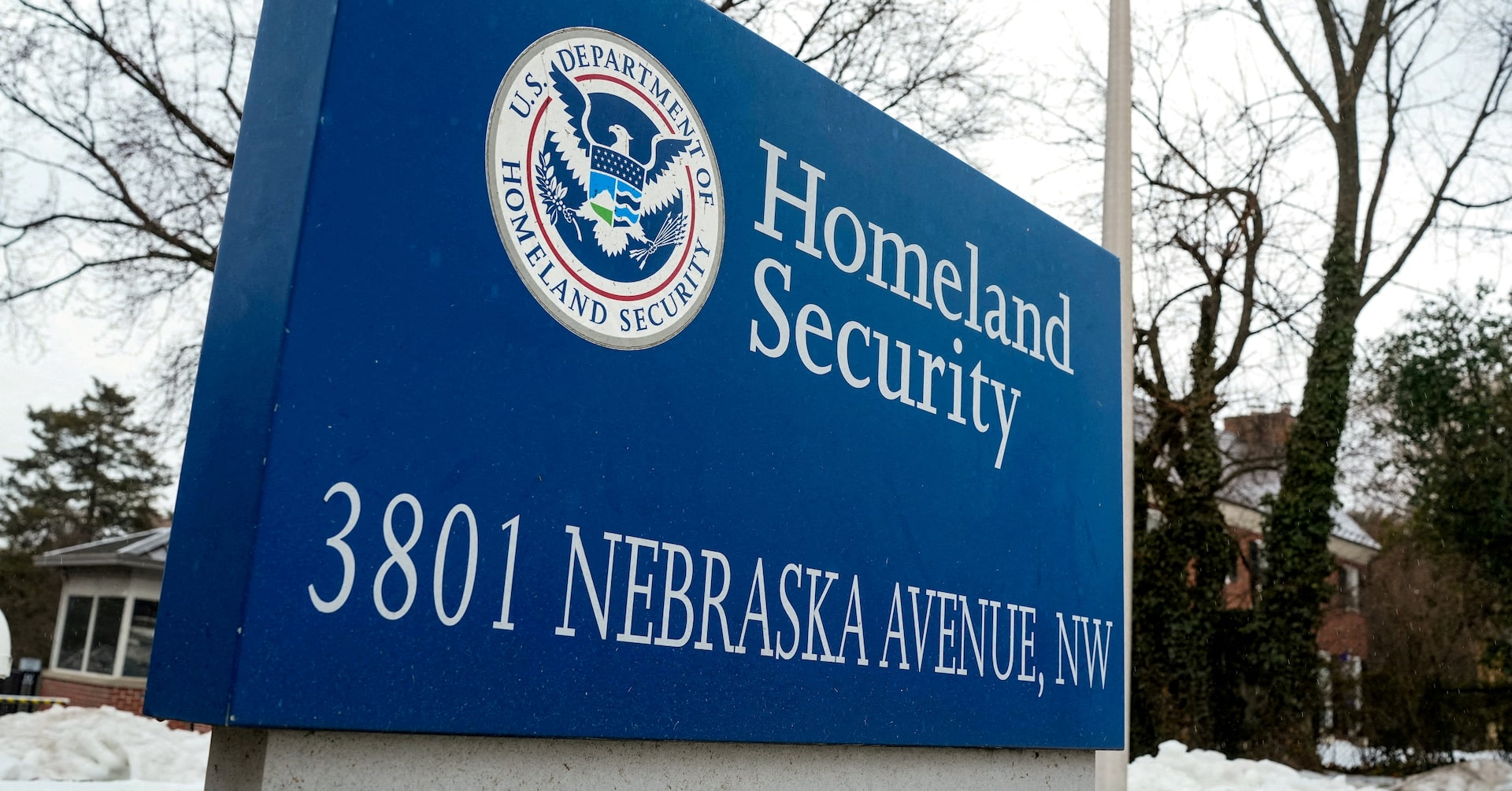
Federal judge blocks Somalia TPS end, protecting 1,100 from deportation
Court steps in four days before 1,100 Somalis lose deportation protection
Supreme Court hears arguments on ending Haiti and Syria protections, pauses deportations
Court rejects Trump request, schedules Haiti and Syria TPS arguments
Trump terminates Somali TPS protections "immediately" for Minnesota's 87,000 Somalis, affecting only 705 with legal status
Trump's rhetoric targets entire community of 87,000, but policy change only affects 705 people with protected status

DOJ admits DHS Secretary Noem personally decided to deport Venezuelan detainees to El Salvador's CECOT prison
Noem's personal decision to send migrants to foreign prison represents unprecedented departure from standard deportation procedures
Supreme Court weighs ending TPS for 356,000 Haitians and Syrians
More than 350,000 Haitians face immediate deportation if the Supreme Court allows Trump to end their protected status
15 questions
Start the review