National Security · Public Policy · Foreign Policy · Ethics·May 15, 2026
Pentagon IG finds civilian harm programs dismantled in violation of law
Pentagon's own watchdog says civilian protection offices gutted in violation of federal law

Photo: U.S. Navy photo by Chief Photographer's Mate Johnny Bivera (RELEASED)source ↗
The Defense Department 📖Inspector General released a report on May 15, 2026, finding that the Pentagon has so thoroughly gutted its civilian harm mitigation programs that it may violate DoDI 3000.17, a policy required by federal law under 10 USC 184. The Civilian Protection Center of Excellence lost nearly all personnel and funding, CENTCOM's civilian harm team was cut from 10 staffers to 1, and JSOC eliminated its civilian harm office entirely. The same day, CENTCOM Commander Admiral  Brad Cooper told the Senate Armed Services Committee his command has not investigated reports of civilian casualties in Iran.
Key facts
The DOD 📖Inspector General released report DODIG-2026-084 on May 15, 2026, concluding that the Pentagon "may not comply with its civilian casualties and harm policy (DoDI 3000.17), a policy required by Federal law." The IG found the Department of Defense of the Civilian Harm Mitigation and Response Action Plan by the end of fiscal year 2025, with 11 objectives and 133 implementing actions left incomplete.
The report landed during an active U.S. military campaign against Iran (Operation EPIC FURY), making the findings operationally urgent rather than merely bureaucratic.
The Civilian Protection Center of Excellence (CPCOE), established by Congress under , was effectively defunded and shuttered. Personnel were fired or reassigned, steering committee meetings stopped after December 2024, and the Army halted funding for the civilian harm data management platform that tracked incidents across commands.
Congress fully funded the CPCOE in each of the last two fiscal years. The statute requires the Secretary of Defense to operate the center. Closing it without congressional approval constitutes a potential violation of appropriations law.
In May 2025, the Pentagon submitted a legislative proposal the statute requiring the Civilian Protection Center of Excellence. Congress didn't act on the request, but the Pentagon proceeded to dismantle the center's operations anyway.
This sequence matters: asking permission, being denied, then acting unilaterally is how impoundment-style conflicts between Congress and the executive branch typically escalate.
CENTCOM Commander Admiral Brad Cooper confirmed to the Senate Armed Services Committee that his command's . Cooper said the nine removed employees had been "playing a key role in helping us move from compliance to culture" on civilian protection.
Cooper argued the nine staffers were "integrated into other capacities" and that "dozens, if not hundreds of people" remain involved. But the IG report contradicts this framing, finding that the reductions decreased readiness and increased risk.
Joint Special Operations Command (JSOC) eliminated its civilian harm office entirely. The IG report noted that officials at the Joint Staff and geographic combatant commands warned that "decreases readiness and increases risk to DoW personnel, mission success, and military objectives."
JSOC conducts some of the most sensitive strike operations globally, including targeted killings. Removing its civilian harm office during active combat operations in Iran eliminates the internal check on those strikes.
During his May 14, 2026, Senate Armed Services Committee hearing, Admiral Cooper admitted his command of civilian casualties in Iran. When Senator  Kirsten Gillibrand pressed him on New York Times reporting of 22 schools and multiple hospitals hit by U.S. strikes, Cooper said there was "no indication" the reports were accurate.
Cooper acknowledged only one active civilian casualty investigation from 13,629 munitions used against Iran, presumably the February 28 cruise missile strike on the Shajareh Tayyebeh girls' elementary school in Minab that killed 156 students and staff.
At a House Armed Services Committee hearing on May 15, 2026, Rep. Adam Smith (D-WA), the committee's ranking Democrat, accused the Pentagon of "violation of the law right now on civilian harm." Smith said the committee that the program is being restructured rather than gutted.
Army Secretary Dan Driscoll and Acting Army Chief of Staff Gen. Christopher LaNeve faced questions about the IG report during the same hearing.
Rep. 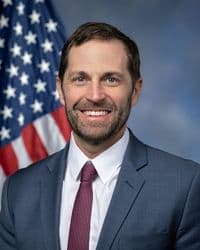 Jason Crow (D-CO), an Army veteran who served in Iraq and Afghanistan with the 82nd Airborne Division and 75th Ranger Regiment, co-founded the Protection of Civilians in Conflict Caucus and creating the CPCOE. Crow argued the military's long-term success depends on remaining lethal while maintaining local population approval, which civilian casualties undermine.
Crow's argument draws on two decades of counterinsurgency lessons: local populations who view U.S. forces as indiscriminate become recruitment tools for insurgent groups. The Army's own doctrine (FM 3-24) identifies civilian protection as a tactical necessity, not an optional constraint.
Amnesty International USA responded to the IG report by stating the Trump administration is "in violation of U.S. law." The organization called for Congress to use its oversight and appropriations authority to force compliance.
The legal mechanism is specific: Congress passed 10 USC 184, appropriated funds for the CPCOE in FY2025 and FY2026, and the executive branch is obligated to spend those funds on their designated purpose. Refusing to do so implicates the 📖Impoundment Control Act of 1974.
The IG report found that as of September 2025, the CHMR Steering Committee had not met since December 2024. Personnel left their positions, and what the IG called a occurred without any formal decision documented through proper channels.
The absence of formal decision-making means no one signed off on dismantling the program through the regulatory process, making it harder to identify individual accountability and easier to claim the changes were organic rather than directed.
Related
Categories that may be relevant to you
5 topics available

May 23, 2026
DOJ scrubs hundreds of Jan. 6 prosecution records from website
May 22, 2026
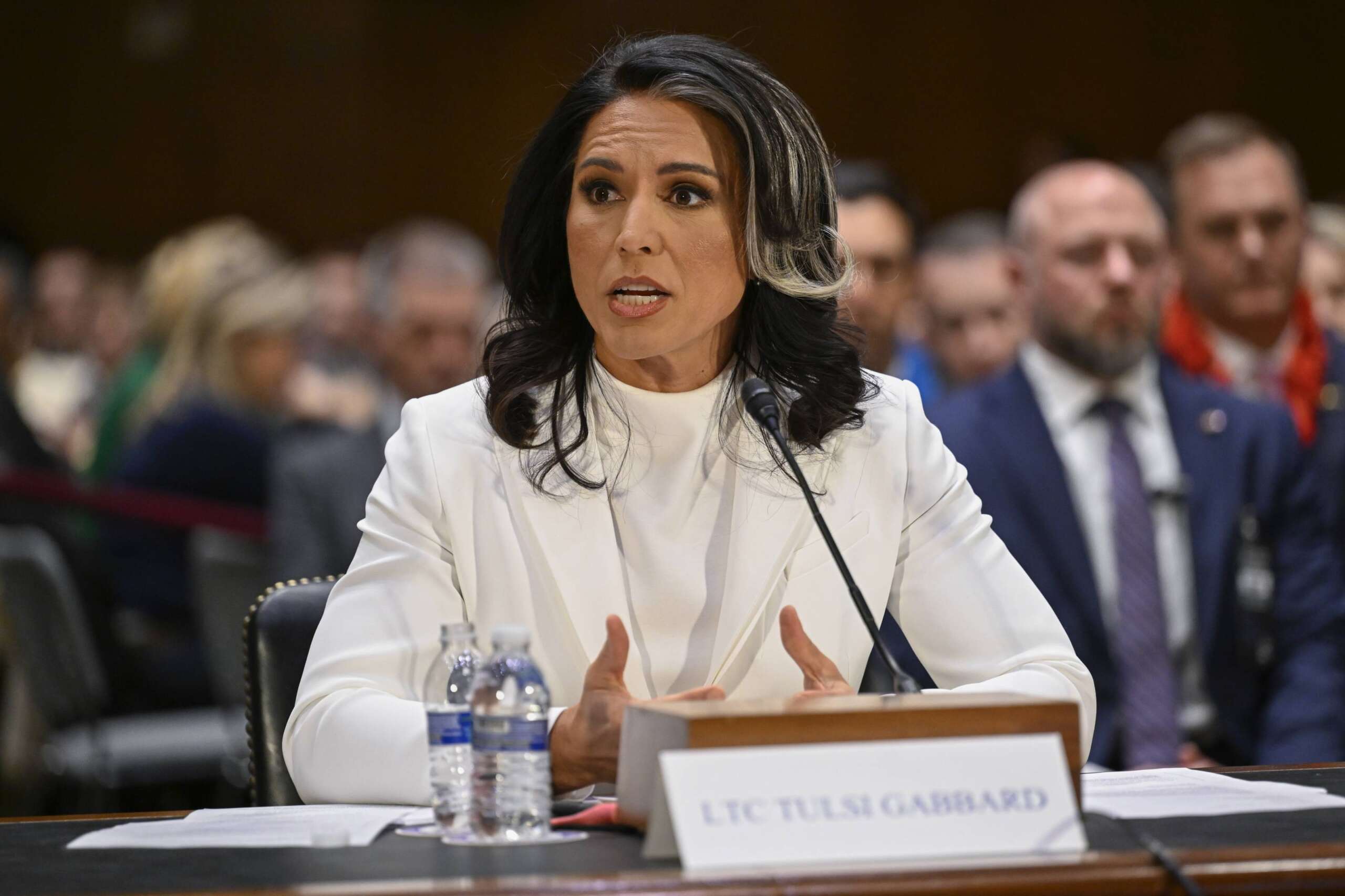
Gabbard resigns as director of national intelligence
🔍
May 22, 2026
FTC fines Cox Media Group $930K for fake AI listening ad service
May 22, 2026
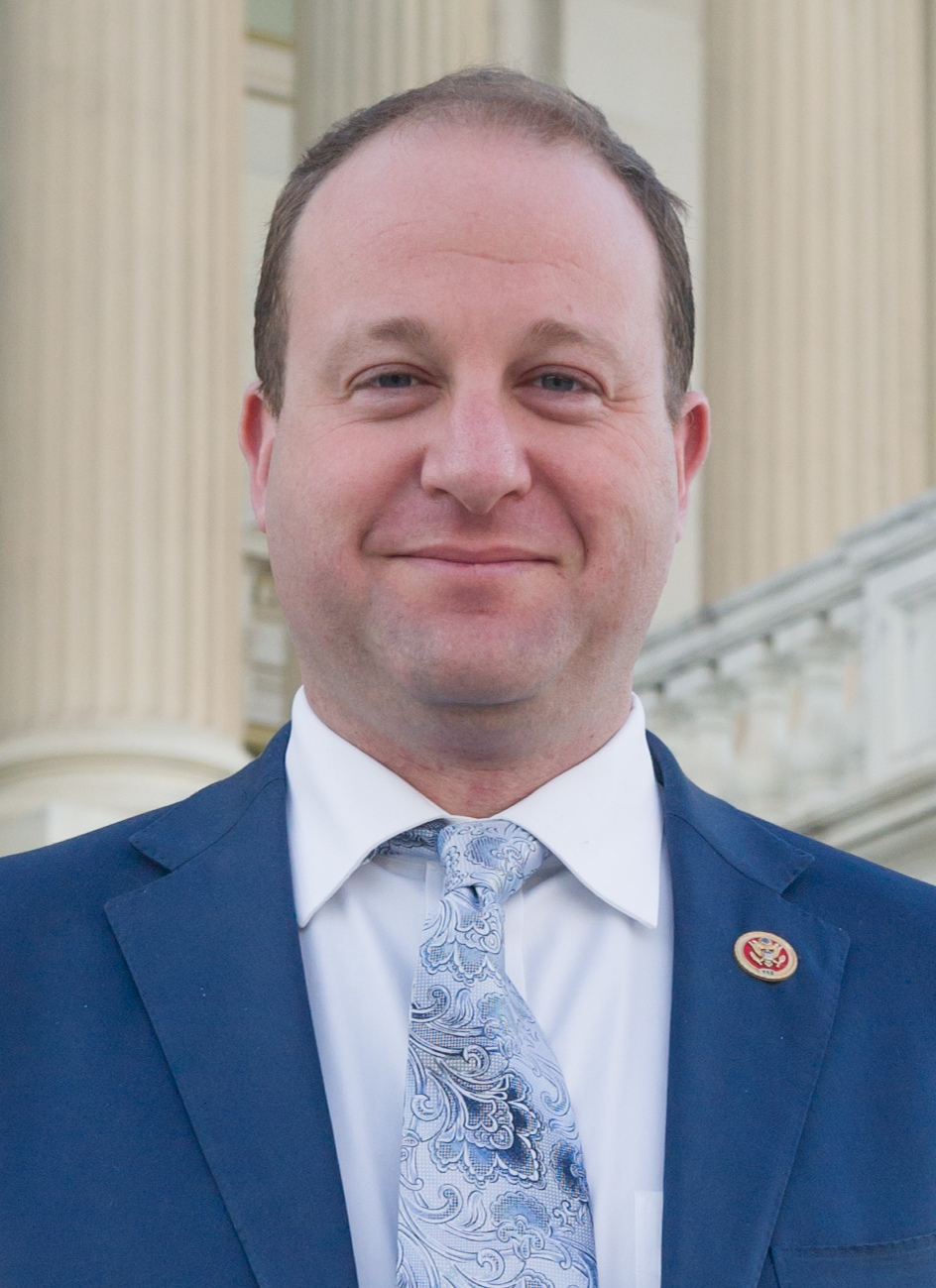
Colorado closes legal gap for defendants found unfit to stand trial
🏫
May 22, 2026
Tennessee governor signs Memphis schools state takeover into law
View All Government Topics
769 topics
30 questions
Start the review