EconomyLegislative Process
October 16, 2025Senate Democrats block CR over ACA subsidies
51-45 vote blocks GOP funding, White House threatens mass layoffs

On Oct. 16, 2025, the Senate voted 51-45 against advancing a House-passed continuing resolution to fund government through Nov. 21, marking the tenth failed attempt since the shutdown began Oct. 1
The vote fell nine short of the 60 votes required to overcome a Democratic filibuster
Senate Majority Leader John Thune (R-SD) needed five more Democrats to cross party lines but attracted only three: Catherine Cortez Masto (Nevada), John Fetterman (Pennsylvania), and Angus King (Maine, an independent who caucuses with Democrats) Sen. Rand Paul (Kentucky) was the only Republican to vote against the measure, opposing it because he said it would prolong Biden-era funding levels.
Senate Democrats demanded any funding bill include a permanent extension of enhanced Affordable Care Act tax credits expiring Dec. 31, 2025
The credits, established in the 2022 Inflation Reduction Act, cap premium costs at 8.5% of income for marketplace enrollees
Without extension, the Congressional Budget Office estimates average premiums would increase by $700 annually and 3.7 million people would lose coverage Democrats' alternative CR would fund government through Oct. 31, permanently extend ACA credits at $350 billion over 10 years, restore nearly $1 trillion in Medicaid cuts from Jul.'s One Big Beautiful Bill Act, restore PBS and NPR funding, and bar White House pocket rescissions This Democratic proposal failed 46-52.
Senate Majority Leader Thune offered Democrats a guaranteed vote on a one-year ACA subsidy extension but couldn't promise the bill would pass
He told Minority Leader Schumer that Democrats would have the same leverage on Nov. 21 when the short-term CR expired
House Speaker Mike Johnson stated "the Obamacare subsidy issue is not the issue of today" since it doesn't expire until Dec. 31, claiming, "We were always planning to continue the debate about that issue in Oct. and Nov.." Senate Appropriations Committee Ranking Member Patty Murray (D-WA) rejected empty promises, saying, "The fact is that this crisis is in front of us now Come to the table now, work with us for a concrete solution."
White House officials warned the Oct. 16 vote was Democrats' final opportunity to fund government without triggering mass federal layoffs. Kevin Hassett, director of the National Economic Council, said on CNBC that if the Senate didn't pass the CR, "a team in the Oval Office would start taking sharp measures."
White House Press Secretary Karoline Leavitt stated layoffs would be "an unfortunate consequence of the shutdown continuing."
An OMB memo released Sept. 29 had instructed federal agencies to prepare for Reductions in Force during the shutdown, targeting what the administration called "Democrat Agencies." No previous shutdown has triggered mass permanent layoffs.
At the time of the Oct. 16 vote, more than 620,000 federal employees were furloughed without pay
An estimated 1.4 million federal employees didn't receive paychecks during the shutdown
President Trump directed Defense Secretary Pete Hegseth to use all available funds to pay troops on Oct. 15, identifying research and development funds to cover military paychecks FBI Director Kash Patel announced the FBI would continue paying agents, thanking Trump for finding a way to get these individuals paid DHS Secretary Kristi Noem said sworn law enforcement officers from TSA air marshals, ICE, CBP, and Secret Service would be paid, but TSA's tens of thousands of security officers at airport checkpoints would not.
House Minority Leader Hakeem Jeffries (D-NY) called on Trump to reengage in negotiations, stating, "Donald Trump needs to reengage now." Jeffries said past shutdowns were resolved when the president and congressional leaders sat down together.
He said he hadn't had a formal conversation with Speaker Johnson during the shutdown, blaming Trump. House Appropriations Committee Democrats sent a letter urging Senate Democrats to reject the CR, stating "the American people are outraged" and don't share the administration's viewpoint that "Elon Musk and Trump have the ability to steal funds appropriated by Congress."
On Oct. 16, U.S. District Judge Susan Illston in San Francisco ordered the Trump administration to stop firing workers during the shutdown, ruling the cuts "appeared politically motivated and carried out without much thought." Unions representing government employees maintained that laying off federal workers during a shutdown is illegal and that the Trump administration is "using federal employees as pawns in Congressional deliberations." The Sept. 29 OMB memo instructing agencies to prepare for mass layoffs was the basis for these legal challenges.
Senate Republicans attempted a new approach on Oct. 16, holding a separate vote on a long-term appropriations bill to fund the Pentagon during the shutdown
That effort failed to reach 60 votes, with only three Democrats voting to move forward
After the failed votes, the Senate adjourned until Oct. 20, meaning the shutdown would continue into at least its 20th day Speaker Johnson had announced House Republicans wouldn't return to Capitol Hill until Oct. 13 to pressure Senate Democrats, though this strategy failed to produce additional Democratic votes.
Related Topics
6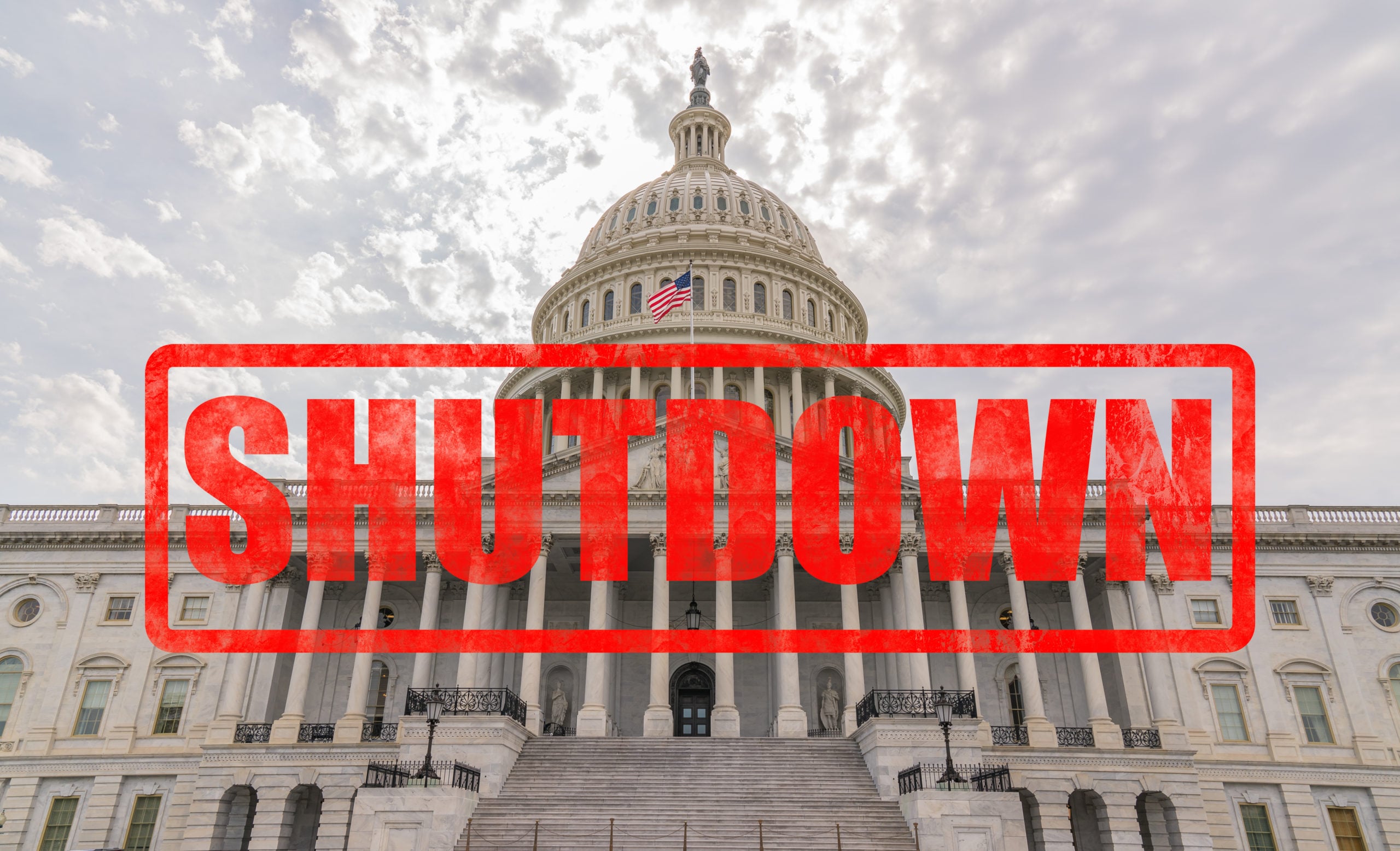
43-day shutdown ends as Trump signs funding bill after historic standoff
Longest shutdown in U.S. history ends with a deal that funds the government for just 11 weeks
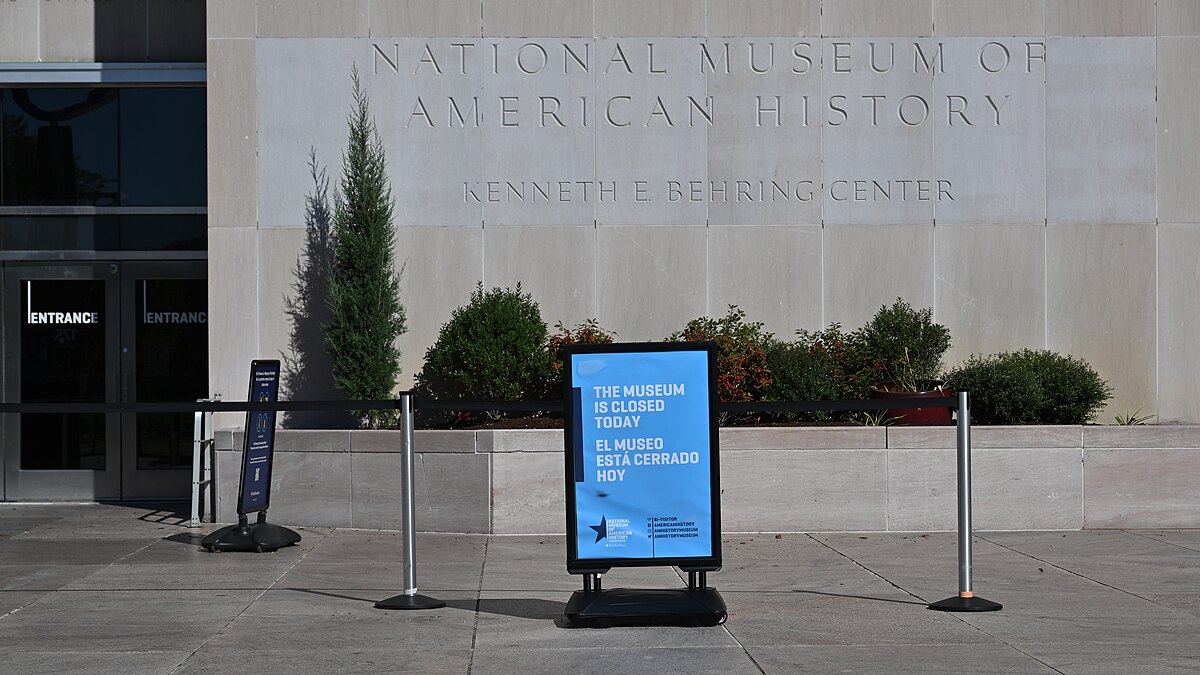
Government shutdown reaches day 35, ties longest U.S. shutdown
Shutdown ties 2018-2019 record as Senate rejects funding 14 times amid fight over healthcare subsidies

Murkowski and Paul help defeat House stopgap while Fetterman splits with Senate Democrats
Appropriations standoff over ACA subsidies threatens 800,000 federal workers

Senate deadlocks on ACA subsidies, 800,000 workers furloughed
Premiums to spike 75% as Senate blocks subsidy extension
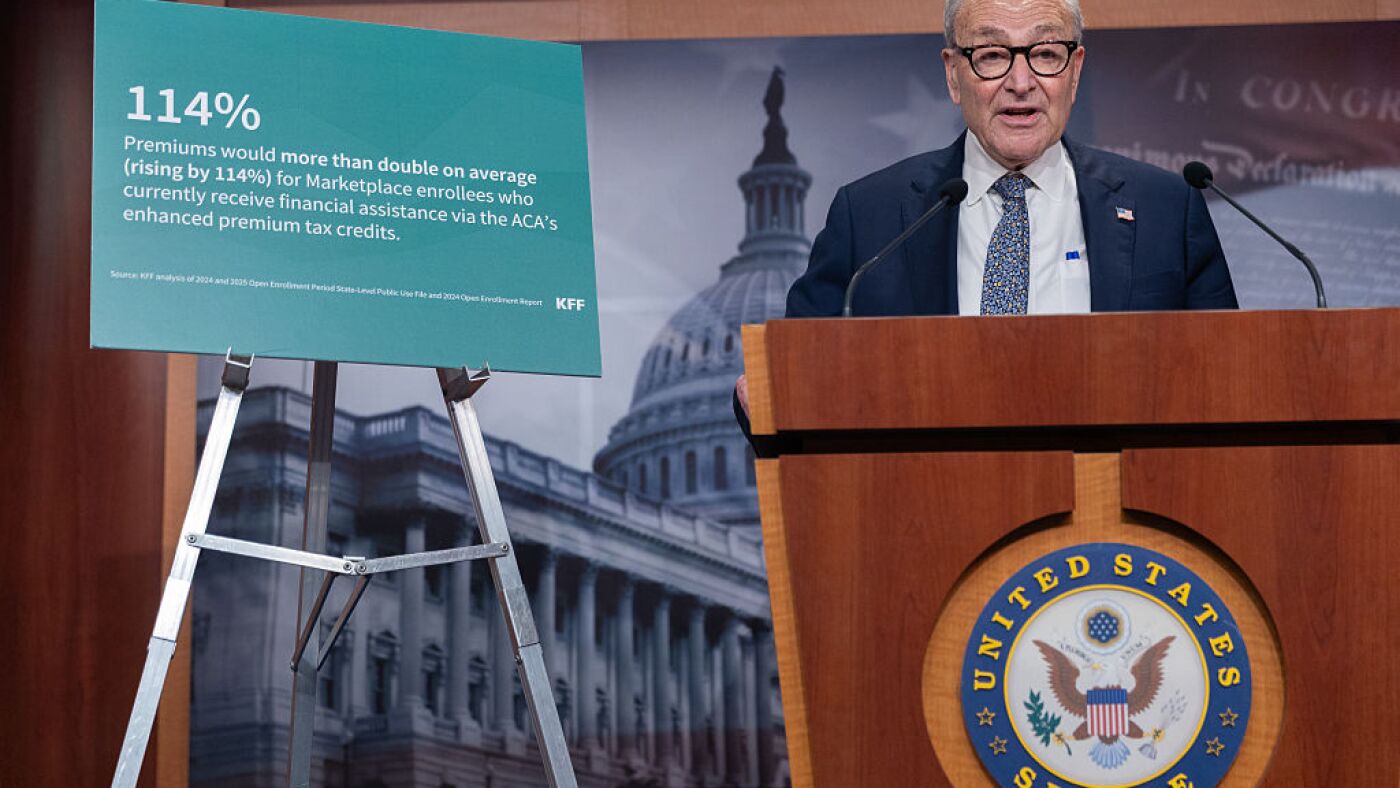
About 750,000 federal workers furloughed as Senate votes fail amid ACA subsidy fight
Republicans control all branches but blame Democrats for shutdown
Congress faces September 30 shutdown as Democrats demand leverage
GOP controls Congress but still needs Democratic votes to avoid shutdown
20 questions
Start the review