InfrastructureGovernmentEconomy
November 10, 2025Controller shortages push 61% of U.S. flights into delays as shutdown drags on
Controller absences force 61% of flights into delays as shutdown drags on

Photo: Miguel J. Rodriguez Carrillo / AFP - Getty Images
On Nov. 10, 2025, air traffic controller absences forced the FAA to impose a flight metering order at 40 major U.S. airports, including O'Hare, LAX, and Hartsfield-Jackson. The FAA's official emergency order, issued Nov. 6, cited "fatigue" among controllers working without pay as the safety justification for restricting arrival rates — an unprecedented step in the agency's history.
Controllers are classified as essential workers and were legally required to report for duty during the shutdown without receiving paychecks. Federal Aviation Administrator Bryan Bedford said the mandatory overtime — six days a week in many facilities — had pushed controllers to a fatigue threshold that forced the agency to reduce traffic rather than risk mid-air conflicts with reduced-alertness staff. More than 5 million travelers had their travel plans disrupted.
The FAA's emergency order implemented traffic reductions in stages: a 4% operations cut initially, rising to 6% by Nov. 11, 8% by Nov. 13, and up to 10% by Nov. 14. Transportation Secretary Sean Duffy warned that cuts could reach 20% if the shutdown continued — a level that would have effectively shut down commercial aviation at the nation's busiest airports.
The FAA's controller shortage predated the shutdown. Ohio State University's aviation program documented that ATC facilities were chronically understaffed entering the 2025 shutdown, with training pipelines requiring two to five years to fully qualify a new controller — meaning controller losses from any single event take years to recover. The shutdown accelerated retirements and resignations among controllers already stretched thin.
Airlines for America, the major carrier trade group, estimated hundreds of millions of dollars in losses from grounded aircraft, missed connections, and hotel and meal reimbursement obligations triggered by Department of Transportation consumer protection rules. Airlines are legally required under DOT regulations to rebook, feed, and house passengers affected by cancellations within their control — a standard that arguably applied even when the root cause was a government funding lapse.
The FAA lifted all restrictions on Nov. 16, 2025, two days after the shutdown ended, restoring full commercial flight schedules beginning at 6 a.m. EST. The rapid restoration reflected the fact that no controllers had been fired or furloughed — they had simply been absent due to fatigue — and returned to duty once back pay was guaranteed by the funding bill.
The aviation crisis added public pressure that accelerated the shutdown's end. Flight cancellations and delays affect a broad economic cross-section, unlike many other government service disruptions that fall disproportionately on lower-income Americans who depend on federal agencies. Political analysts noted that the visible, immediate impact on business travelers and holiday passengers created constituent pressure on moderate Republicans who had resisted the Freedom Caucus's shutdown demands.
The episode exposed a structural vulnerability in aviation safety: the national airspace system's entire margin of safety depends on having enough alert, rested controllers on duty simultaneously. When congressional dysfunction cuts controller pay long enough to cause fatigue-driven absences, the FAA has no short-term substitute — it can only reduce traffic or risk incidents. Congress's willingness to use aviation safety workers as budget leverage repeated a dynamic last seen during the 2019 shutdown, which also forced the FAA to halt some operations.
Related Topics
3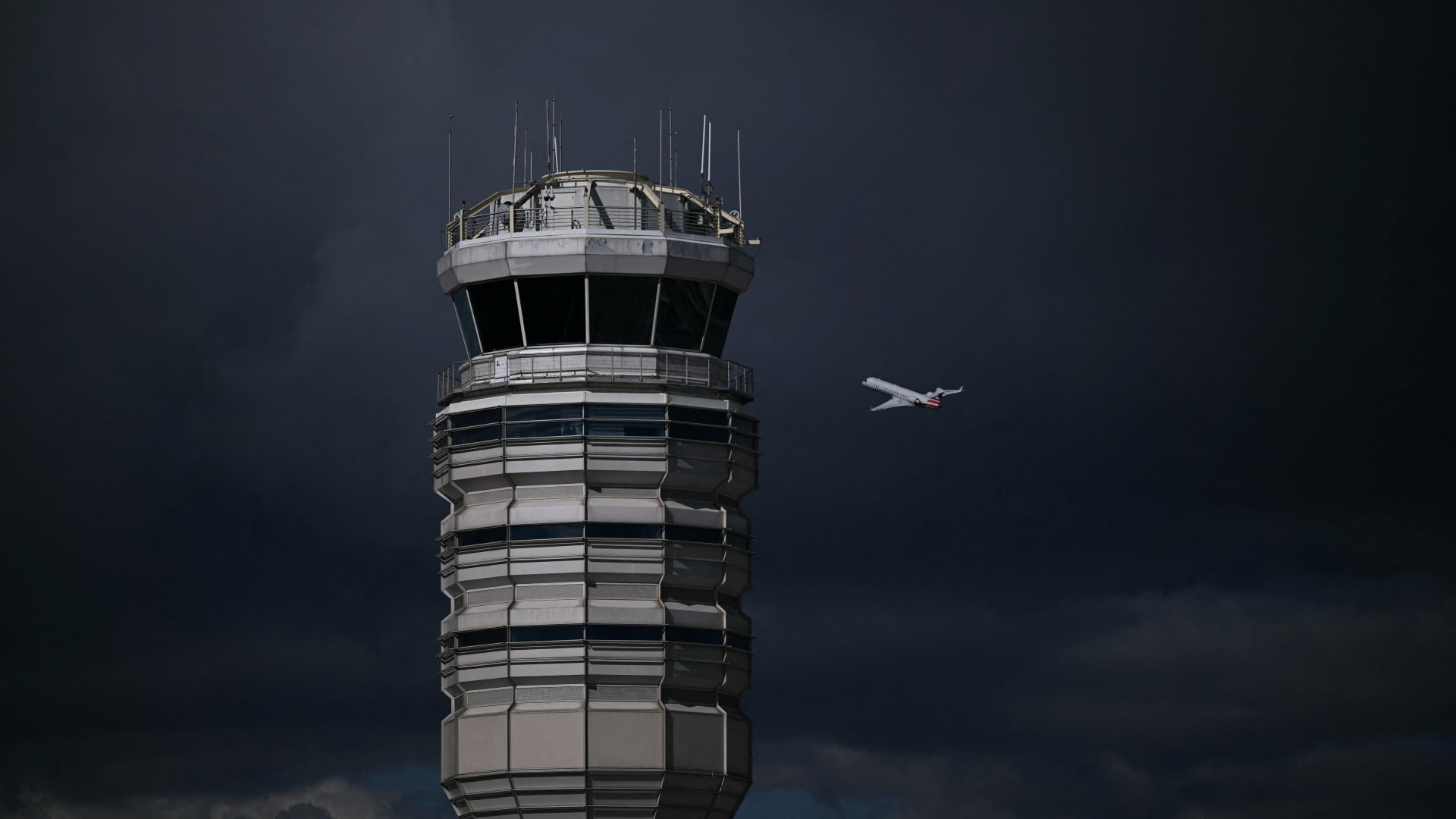
FAA staffing problems quadruple as 13,294 controllers work unpaid
Shutdown-era sick calls quadruple as $31.5B NextGen upgrades stall
Air travel disruptions persist after the 43-day shutdown as the FAA holds flight cuts at 6%
Controllers worked 43 days without pay; the FAA kept flights cut 6% at 40 airports after reopening
FAA lifts flight restrictions after 43-day shutdown caused thousands of cancellations
FAA lifts restrictions after unpaid controllers forced thousands of cancellations, but flight chaos continues
24 questions
Start the review