September 4, 2025
Warren grills Trump Fed nominee who refuses to resign from White House job
Banking's watchdog warns democracy hangs on Fed's ability to resist political pressure
🔐Ethics🏛️Government💰Economy
September 4, 2025
Banking's watchdog warns democracy hangs on Fed's ability to resist political pressure
 Elizabeth Warren grilled Trump Federal Reserve nominee Stephen Miran during the Sep. 4, 2025, Senate Banking Committee confirmation hearing, exposing an unprecedented plan to maintain White House employment while voting on interest rates affecting millions of Americans. Warren slammed the arrangement as installing Trump lackeys to please the president.
Miran plans to take unpaid leave from the Council of Economic Advisors rather than resignation if confirmed, breaking 112 years of Fed independence precedent requiring governors to sever executive branch ties. Senate Banking Committee Democrats warned the dual employment creates an insurmountable conflict of interest.
Miran refused to acknowledge Trump lost the 2020 election despite Warren repeated questioning about basic electoral facts documented by courts and election officials nationwide. The nominee stated only that Joe Biden was certified by Congress while avoiding direct admission of Trump defeat.
Trump conducted a months-long pressure campaign demanding the Fed lower interest rates for political benefit while publicly attacking Chair  Jerome Powell as stupid and a loser for maintaining anti-inflation policies. The presidential threats echo Nixon pressure on Arthur Burns that contributed to the 1970s stagflation disaster.
Warren cited Trump public attacks and private pressure as evidence of a systematic institutional capture strategy designed to subordinate the independent Federal Reserve to direct presidential control. Historical precedent shows political interference with monetary policy creates inflation crises that devastate working families.
The Federal Reserve Act of 1913 established central bank independence through 14-year governor terms, for-cause removal requirements, and self-financing operations that avoid congressional appropriation pressure. The legal framework protects monetary policy from short-term political demands that sacrifice economic stability for electoral gains.
Nixon pressured Fed Chair Arthur Burns for election-year rate cuts before the 1972 election, leading to devastating stagflation crisis with 12 percent inflation and a 25 percent decline in purchasing power for American families. The crisis lasted nearly a decade while middle-class savings evaporated.
International markets monitor Fed independence as a critical measure of U.S. economic policy credibility and dollar stability in the global financial system. Political control of monetary policy signals institutional weakness that undermines American economic leadership worldwide.
As of September 4, 2025, what White House position does Stephen Miran hold?
During Stephen Miran’s Sept. 4, 2025 Senate Banking Committee confirmation hearing, what protection does the Senate’s “Advice and Consent” role under Article II, Section 2 of the Constitution offer for Federal Reserve appointments?
Warren stated that “illegally removing a Fed governor is a key step in Trump’s scheme to destroy Fed independence.” What statutory and constitutional safeguards—in particular 12 U.S.C. § 242 and Supreme Court precedents Humphrey’s Executor v. United States (295 U.S. 602 (1935)), Wiener v. United States (357 U.S. 349 (1958)), and Trump v. Wilcox (145 S. Ct. 1415 (2025))—protect Federal Reserve Board Governors from arbitrary removal “for cause”?
During his September 4, 2025 confirmation hearing, Stephen Miran said he would take unpaid leave from his role as Chair of the White House Council of Economic Advisers and would only resign if nominated to a full Fed term, since his current nomination fills a seat expiring January 31, 2026. How does this timeline-based ethics position affect his view of conflicts of interest?
What economic mechanism explains how political interference in central bank policy raises inflation risk?
Upgrade to Premium to access all practice questions and unlock advanced quiz features.
Upgrade to PremiumThese questions are part of the Warren grills Trump Fed nominee who refuses to resign from White House job topic. Master this topic by completing the quiz or exploring each question in detail.
Take the full quiz to master this topic and track your progress.
Start Quiz
U.S. Senator (D-MA) and Banking Committee Ranking Member
Trump Fed nominee and Council of Economic Advisors Chairman
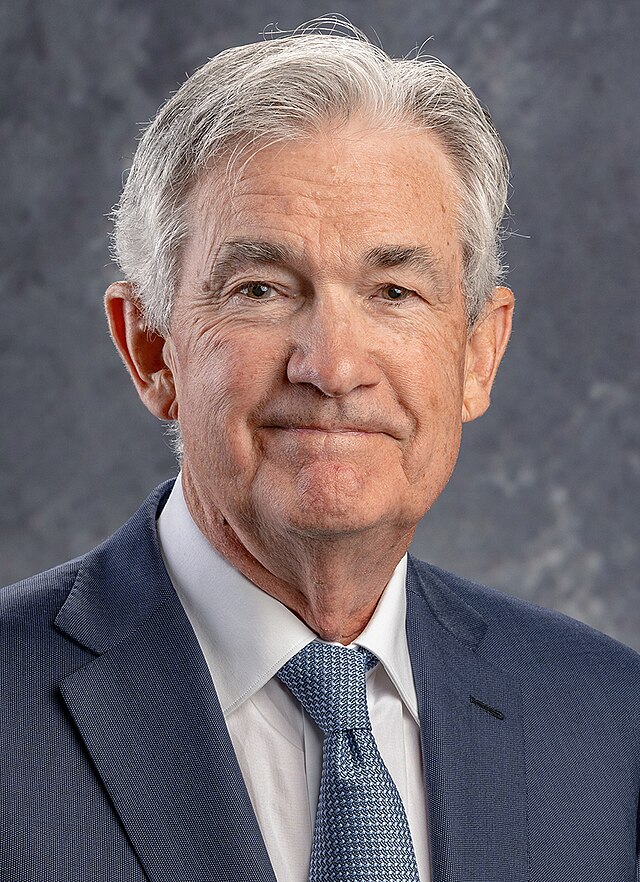
Federal Reserve Chair

Rhode Island Senator (D)

South Carolina Senator (R) and Banking Committee Chairman

South Dakota Senator (R)
Former Fed Chair (1970-1978)
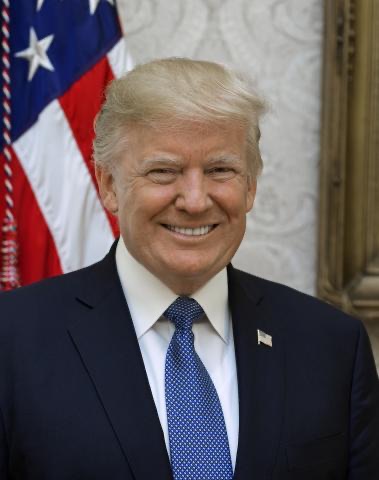
President