National SecurityForeign PolicyGovernment
August 13, 2025White House retreats from Ukraine peace as Trump-Putin summit excludes Ukraine
Press secretary Karoline Leavitt walked back peace promises 72 hours before the Alaska summit

White House Press Secretary Karoline Leavitt told reporters on Aug. 12, 2025, that the upcoming Trump-Putin meeting in Anchorage would be a "listening exercise" — directly walking back months of administration promises that a Ukraine ceasefire was imminent. The reversal came less than 72 hours before the summit.
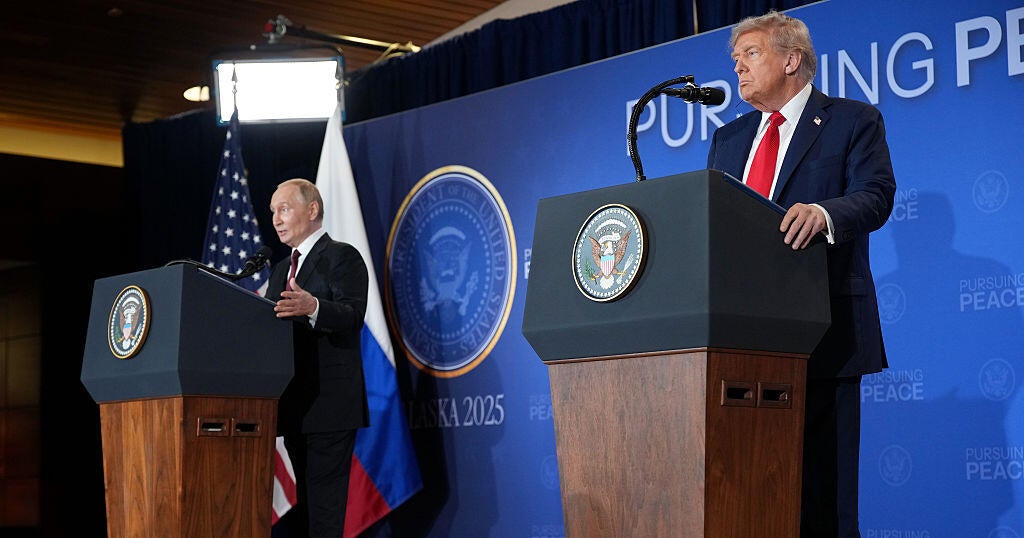
President Trump met Russian President Vladimir Putin at Joint Base Elmendorf-Richardson in Anchorage, Alaska on Aug. 15, 2025. Ukraine was excluded from the bilateral talks entirely. After the meeting, Trump acknowledged no deal was reached, saying "There's no deal until there's a deal."
Putin called the talks a "starting point" for both resolving the conflict with Kyiv and improving relations with Washington — framing that diplomatic analysts noted positions Russia as the party setting the pace of any future negotiations while Ukraine has no seat at the table.
Trump had promised to end the Ukraine war in 24 hours on at least 53 documented occasions during his 2023 and 2024 campaign appearances, according to a CNN fact-check. The Alaska summit ended with no ceasefire framework, no timeline, and no written agreement.
Zelenskyy warned ahead of the summit that any bilateral U.S.-Russia meeting without Ukrainian participation would "achieve nothing" and could legitimize Russian demands without Ukrainian consent. His warning proved accurate: the Anchorage meeting produced no binding commitments and no Ukrainian input.
On Aug. 18, 2025, Trump hosted a follow-up multilateral summit at the White House with President Zelenskyy and eight European leaders after allied governments pressed for Ukraine's inclusion. The meeting demonstrated that European allies had retained enough leverage to demand a seat in the follow-up but not in the initial Putin talks.
The sequencing — bilateral Trump-Putin first, multilateral second — reflected a structural concession to Moscow's longstanding preference: direct U.S.-Russia negotiations that sideline NATO allies and Ukraine.
When an executive branch walks back its stated negotiating position mid-week without a triggering diplomatic development, allied governments can't calibrate their own commitments. European allies who had aligned their sanctions posture and military aid to White House peace-deal timelines faced a credibility gap when the administration quietly downgraded its own expectations.
The Trump administration had previously threatened secondary tariffs on Russian energy exports if Putin didn't engage in peace talks, then shortened the deadline for Russian movement on Ukraine from 50 days to 10 to 12 days before the Alaska meeting. That escalating pressure produced the Anchorage summit but not a ceasefire.
Related Topics
6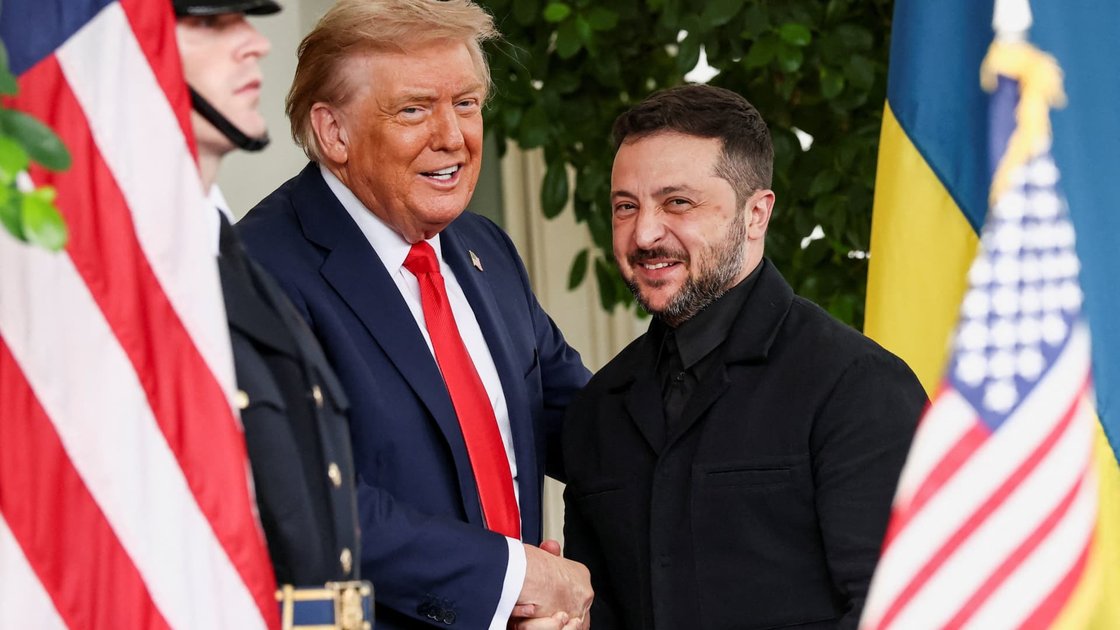
Zelenskyy meets Trump at White House as European allies demand Ukraine solidarity
Desperate diplomacy as Ukraine faces American betrayal
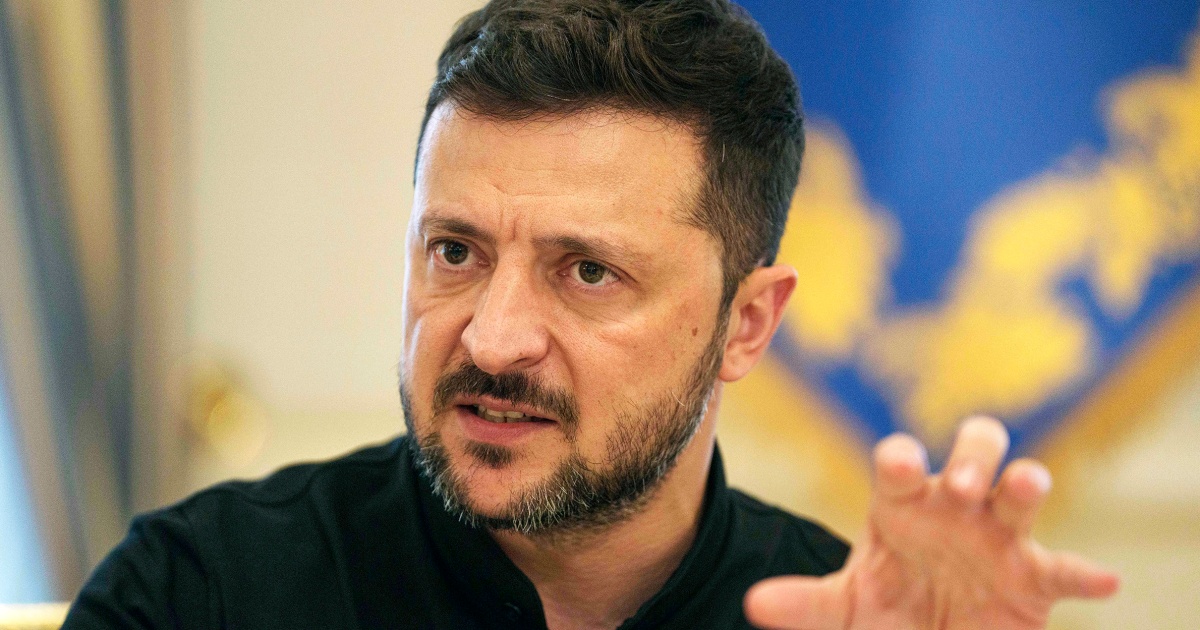
Trump pushes Ukraine to surrender land after Putin meeting
Western abandonment forces Ukraine into Russian surrender terms
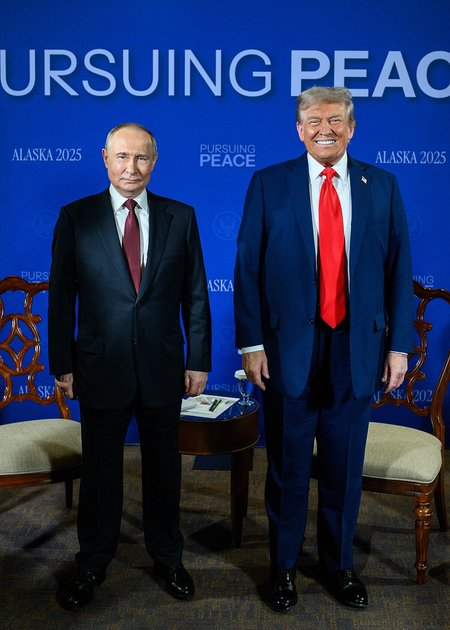
Trump hosts Putin in Alaska, excludes Ukraine from war talks
Alaska summit normalizes Russian aggression while abandoning allies
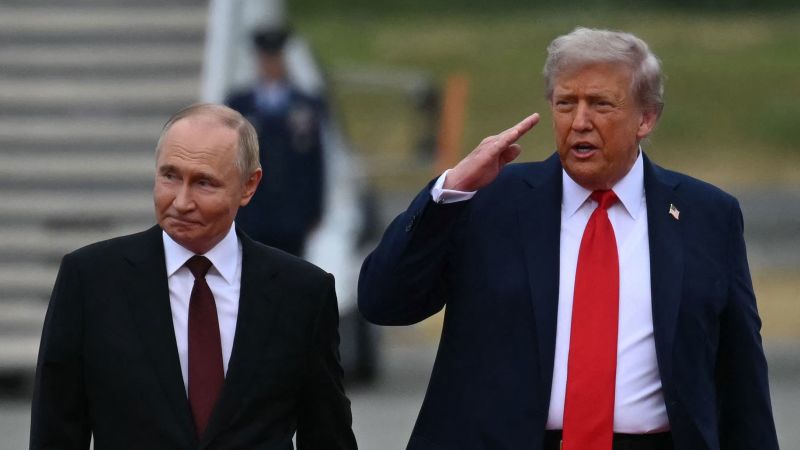
Trump backs Putin's peace plan over immediate ceasefire
Peace rhetoric masks territorial surrender to Russian demands
Trump pushes ceasefire freezing Russian-occupied territory
Denies Tomahawks after 2.5-hour Putin call, demands Ukraine accept occupation
Alaska summit ends with no deal on Ukraine war
Behind-closed-doors deal sacrifices Ukrainian sovereignty
15 questions
Start the review