National Security · Foreign Policy · Ethics·August 19, 2025
Trump pushes Ukraine to surrender land after Putin meeting
Western abandonment forces Ukraine into Russian surrender terms

President 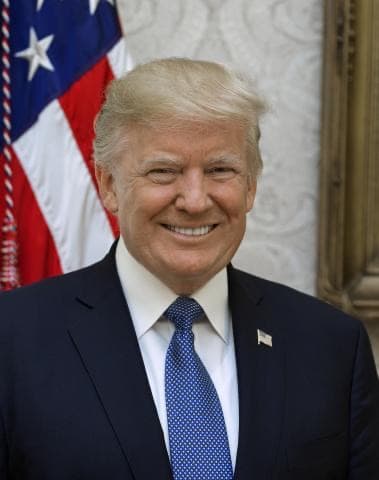 Trump reversed his Ukraine strategy after meeting
  Vladimir Putin at Joint Base Elmendorf-Richardson, Alaska on Aug. 15, 2025. Trump suggested "swapping of territories" could lead to peace while Putin demanded Ukraine surrender the entire Donbas region. Ukrainian President Zelensky immediately rejected territorial concessions. Polling from Sep.-Oct. 2025 shows 54% of Ukrainians oppose any territorial concessions.
Key facts
Trump and Putin met for nearly 3 hours at Joint Base Elmendorf-Richardson Aug. 15, 2025, but announced no ceasefire or peace agreement, with Trump admitting Ukraine conflict was harder to solve than expected
Ukrainian President  Zelenskyy was deliberately excluded from talks about his own country's future, with Putin demanding Ukraine surrender the entire Donbas region and recognize Russian territorial gains
Trump shifted positions after meeting Putin, abandoning ceasefire demands and telling Fox News it's really up to President Zelenskyy to get it done while threatening aid cuts
European leaders expressed alarm as Trump appeared to embrace Putin's territorial demands, with UK's  Keir Starmer and France's Macron reaffirming support for Ukraine's territorial integrity
Russian Foreign Minister Sergey Lavrov arrived for red carpet treatment while Putin called Trump neighbor during B-2 bomber and F-35 flyover display at Joint Base Elmendorf-Richardson
Related Topics
6☮️
Trump backs Putin's peace plan over immediate ceasefire
President Trump announced Aug. 15, 2025, during his Alaska summit with Vladimir Putin, that he now supports Putin's preference for "comprehensive peace negotiations" over immediate ceasefire in Ukraine. This reversal came after his failed Aug. 8 deadline to end the war. The summit ended without any formal agreement. Putin demanded Ukraine cede all of Donbas as a precondition, which President Zelenskyy rejected. Trump's shift from demanding immediate ceasefire to supporting open-ended peace talks allows Russia to continue military pressure while negotiations proceed indefinitely. Comprehensive peace negotiations historically favor aggressors who hold territory and can maintain attacks during talks. Putin's preferred approach lets Russia consolidate territorial gains through continued violence while diplomatic cover provides international legitimacy.
110% match
10 questions
🛬
Trump meets Putin in Alaska, excludes Ukraine from talks
President Trump and Russian President Vladimir Putin met Aug. 15, 2025, at Joint Base Elmendorf-Richardson in Alaska for a three-hour summit on ending the Ukraine war. Trump said the talks were "extremely productive" and that they had "made some headway" despite reaching no ceasefire agreement. The meeting took place on former Russian territory—Alaska was sold by Russia to America in 1867. Putin arrived on U.S. soil for the first time in a decade while facing an ICC war crimes arrest warrant. Ukraine wasn't invited to discuss its own territorial fate.
109% match
11 questions
🧩
Trump pushes Ukraine to surrender territory to Russia at frozen lines
On Oct. 17, 2025, President Donald Trump met with Ukrainian President Volodymyr Zelenskyy at the White House. During the meeting, Trump insisted Ukraine give up territory to Russia to end the war. Zelenskyy brought maps showing current battle lines hoping Trump would send long-range Tomahawk missiles. Trump refused and instead demanded Ukraine accept a ceasefire frozen at current lines. This would leave Russia in control of approximately 78% of Donbas, plus Crimea and parts of Zaporizhzhia and Kherson. Trump told reporters, "They should stop where they are. Go home, stop killing people and be done." The meeting came one day after Trump called Vladimir Putin and warned him the U.S. wouldn't provide Ukraine with Tomahawk missiles.
108% match
14 questions
🌐
Trump hosts Putin in Alaska, excludes Ukraine from war talks
President Trump and Russian President Vladimir Putin met for three hours on Aug. 15, 2025, at Joint Base Elmendorf-Richardson in Alaska to negotiate ending the Ukraine war. Russia sold this territory to America in 1867 for $7.2 million (equivalent to $132 million in 2024). Ukrainian President Zelenskyy wasn't invited to the talks about his own country's future and territorial integrity. The summit fulfilled Putin's long-sought goal of bilateral talks with a U.S. president while he's under an International Criminal Court arrest warrant for war crimes. European NATO allies learned about potential territorial concessions from news reports rather than direct consultation. Trump called the talks "extremely productive" and said "there were many, many points that we agreed on" but acknowledged "there was no deal until there's a deal." Russian forces continued attacking Ukraine throughout the negotiations.
107% match
27 questions
🕊️
Alaska summit ends with no deal on Ukraine war
The Trump-Putin summit on August 15, 2025, in Anchorage ended without ceasefire or peace agreement. Both leaders made conflicting claims of progress after the meeting. Trump subsequently suggested Ukraine must "cede territory to end the war." This signals abandonment of Ukrainian sovereignty. European allies warn the shift rewards Russian aggression. Putin attended despite facing an International Criminal Court arrest warrant for war crimes. Neither Ukrainians nor European allies were included in the summit discussions. The meeting provided Putin with international legitimacy after years of isolation.
101% match
10 questions
🤝
European allies panic as Trump abandons Ukraine after "productive" Putin meeting
NATO Secretary General Mark Rutte met with President Trump, Ukrainian President Zelensky, and European leaders at the White House on Aug. 18, 2025, following Trump's Alaska summit with Vladimir Putin three days earlier. Trump met Putin at Joint Base Elmendorf-Richardson on Aug. 15, 2025—Putin's first U.S. visit in a decade—to discuss ending the Ukraine war. Trump called the talks "extremely productive" despite producing no concrete ceasefire agreement, alarming European allies who fear Trump will pressure Ukraine to accept territorial concessions.
100% match
12 questions
Related
Categories that may be relevant to you
5 topics available

May 23, 2026
DOJ scrubs hundreds of Jan. 6 prosecution records from website
May 22, 2026
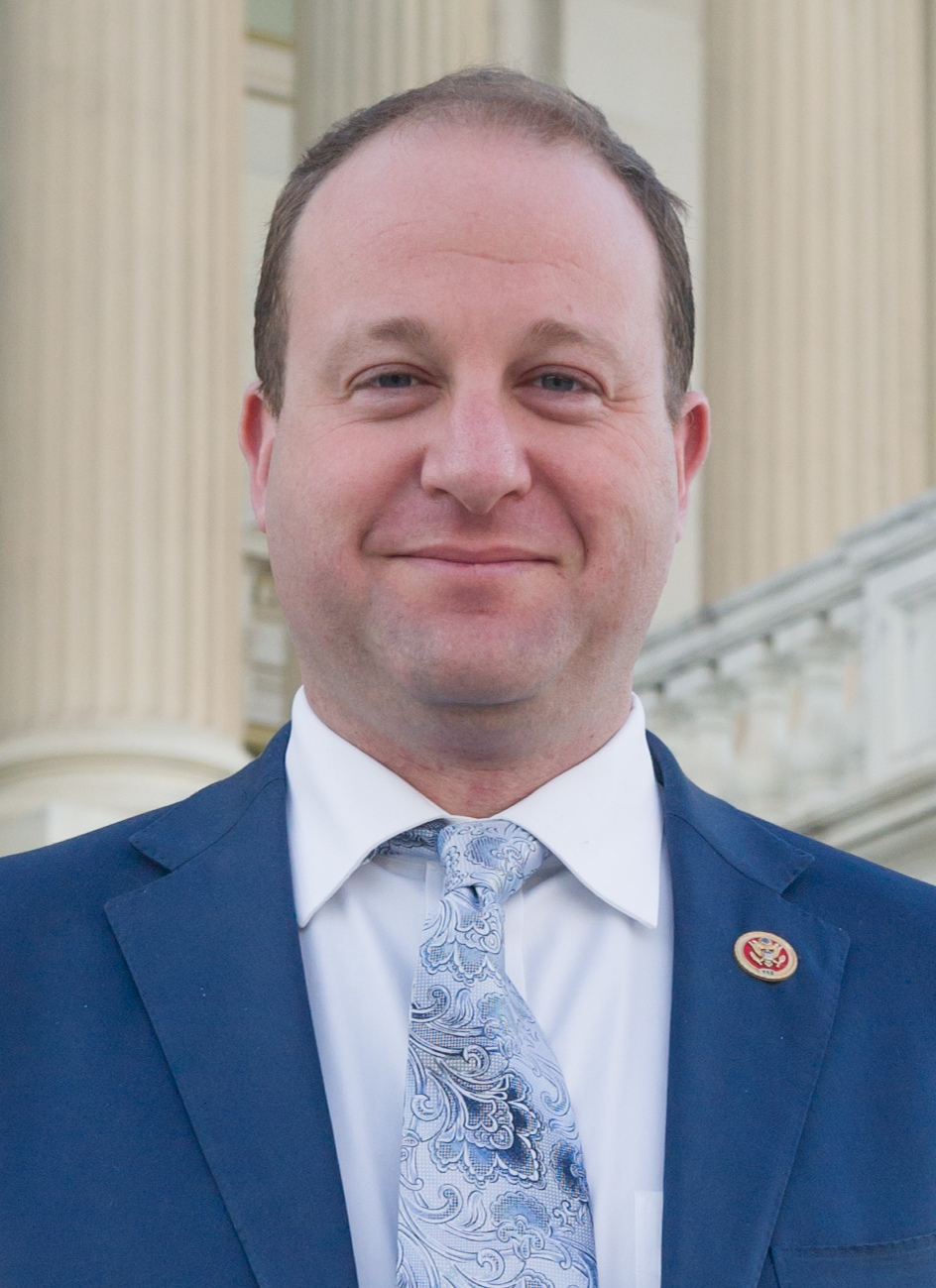
Colorado closes legal gap for defendants found unfit to stand trial
🔍
May 22, 2026
FTC fines Cox Media Group $930K for fake AI listening ad service
May 22, 2026
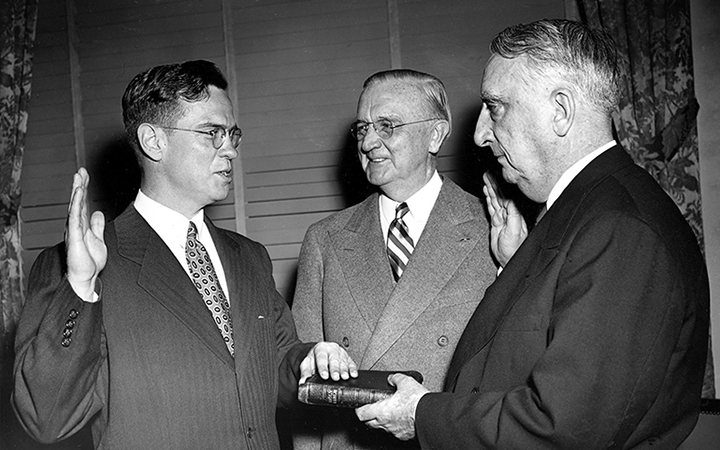
Warsh sworn in as Fed chair at White House in first such ceremony since 1987
May 22, 2026
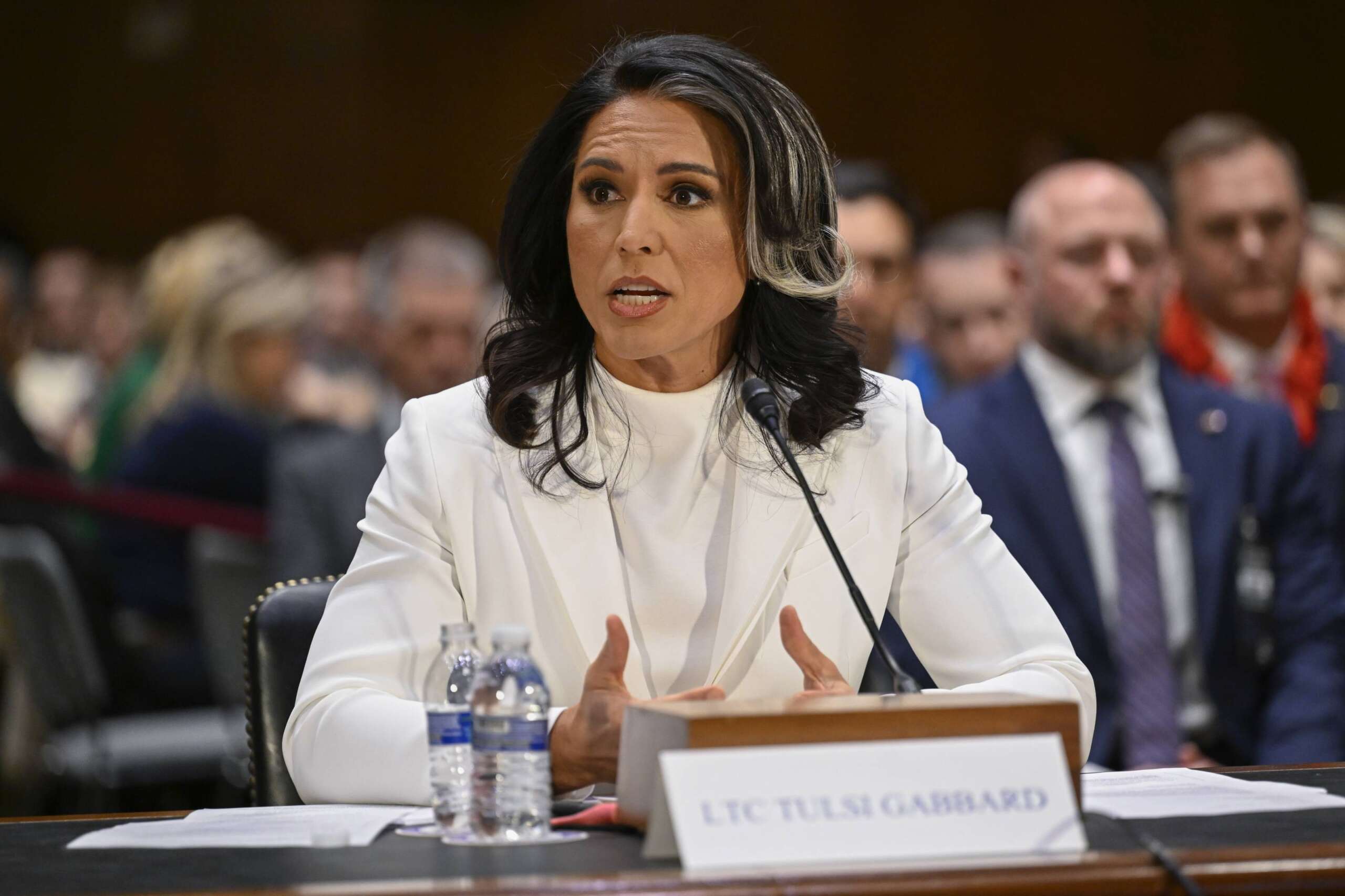
Gabbard resigns as director of national intelligence
View All Government Topics
770 topics
14 questions
Start the review