Economy · Government · Historical Precedent·May 22, 2026
Warsh sworn in as Fed chair at White House in first such ceremony since 1987
Warsh takes the Fed's top job as Trump tests central bank independence
 Kevin Warsh was sworn in as Chair of the 📖Federal Reserve on May 22, 2026, in a White House East Room ceremony administered by Supreme Court Justice
  Clarence Thomas. It was the first time a Fed chair took the oath at the White House since Alan Greenspan in 1987. Every other chair since then was sworn in at the 📖Federal Reserve building, a protocol that reinforced the central bank's distance from executive power. The Senate confirmed Warsh 54-45 on May 13, the narrowest confirmation vote for a Fed chair in U.S. history. He succeeded
  Jerome Powell, whose four-year term as chair expired May 15.
 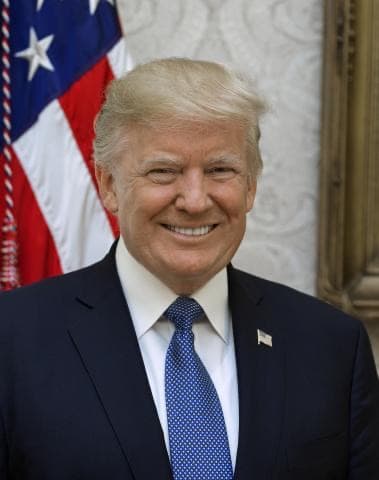 Trump had spent years demanding rate cuts from Powell and nominated Warsh, a former Fed governor and Morgan Stanley investment banker, as a replacement. Warsh pledged to act independently, but economists and markets broadly expect him to hold rates through 2026 given stubbornly high inflation.
Key facts
The 📖Federal Reserve is the central bank of the United States, created by Congress in 1913. Its seven-member Board of Governors sets the federal funds rate, the overnight lending rate between banks, which shapes what consumers pay on mortgages, auto loans, and credit cards. The Fed chair leads the 📖Federal Open Market Committee, which votes on rate decisions eight times a year, and is widely regarded as the most powerful unelected economic official in the country.
Fed chairs are nominated by the president, confirmed by the Senate, and serve four-year renewable terms. By law, governors, including the chair, can be removed only 'for cause,' meaning incompetence or misconduct, not policy disagreement. That legal protection, codified in the 📖Federal Reserve Act, is the foundation of 📖central bank independence from presidential pressure.
Kevin Warsh, 56, was sworn in as the 17th 📖Federal Reserve chair on May 22, 2026, in a White House East Room ceremony. Supreme Court Justice Clarence Thomas administered the oath. Warsh addressed a crowd that included members of Congress, Cabinet secretaries, and former Vice President Dan Quayle. Trump introduced Warsh and said, 'I want Kevin to be totally independent. Don't look at me, don't look at anybody.'
Warsh is the first Fed chair sworn in at the White House since Alan Greenspan took the oath there on August 11, 1987. Every Fed chair since Greenspan, including Bernanke, Yellen, and Powell in all their subsequent terms, was sworn in at the 📖Federal Reserve building. Critics noted the location sent a signal that the Fed is part of the White House's economic policy apparatus, not an independent institution.
The Senate confirmed Warsh 54-45 on May 13, 2026, the for a 📖Federal Reserve chair since the position became subject to 📖Senate confirmation in 1977. The previous record was Janet Yellen's 56-26 confirmation in 2014. Warsh's vote was the most partisan in Fed chair history: every Republican voted yes, and all but one Democrat voted no.
The lone crossover was Sen. John Fetterman (D-PA), who said he believed Warsh would be 'transparent and responsive to Congress and the public.' The Senate Banking Committee had advanced Warsh's nomination 13-11 on April 29, strictly along party lines, the first fully partisan committee vote on a Fed chair nominee in the committee's history.
Warsh's confirmation path ran through months of procedural obstacles. Sen. Thom Tillis (R-NC) blocked the Senate Banking Committee vote for weeks, conditioning his vote on resolution of a Department of Justice probe into whether outgoing Chair Jerome Powell improperly spent $2.5 million renovating the Fed's Washington headquarters. The DOJ dropped the investigation on April 25, 2026, without charges. Tillis released his hold four days later, enabling the 13-11 committee vote.
Sen.  Elizabeth Warren (D-MA) called Warsh 'Trump's sock puppet' during the committee hearing and led unified Democratic opposition. Warren argued Warsh's unwillingness to commit clearly to Fed independence and his refusal to confirm Trump lost the 2020 election made him unfit to lead the central bank.
Warsh brings a Wall Street and Republican administration pedigree to the job. He joined Morgan Stanley in 1995 after Harvard Law School and rose to executive director of its mergers and acquisitions division. President George W. Bush named him a special assistant for economic policy in 2002 and then nominated him to the Fed Board of Governors in 2006. At 35, he was the youngest person ever to serve in that role. He served through the 2008 financial crisis under Chair Ben Bernanke, acting as the Fed's central liaison to markets during the Bear Stearns sale, Lehman Brothers' bankruptcy, and the AIG bailout. He resigned in 2011 and later became a partner at Stanley Druckenmiller's family office and a lecturer at Stanford's Graduate School of Business.
ProMarket and other critics noted that Warsh's background in Morgan Stanley, Druckenmiller's hedge fund, and the Bush White House gave Wall Street interests direct access to the Fed's leadership at a moment when inflation remained above target.
Warsh succeeds Jerome Powell, whose four-year term as chair expired May 15, 2026. After the Senate confirmed Warsh on May 13, the 📖Federal Reserve Board named Powell chair pro tempore until Warsh's May 22 swearing-in. Powell as a Board of Governors member. His governor term runs to 2028. He became the first outgoing Fed chair to remain on the board since Marriner Eccles in 1948.
Trump had attacked Powell repeatedly since 2018, when he first appointed him, demanding faster rate cuts and accusing him of 'Trump derangement syndrome.' The White House swearing-in ceremony for Warsh completed a process Trump had pursued since his second term began: installing a Fed chair who would answer to him.
Warsh's confirmation hearing before the Senate Banking Committee on April 21, 2026 produced repeated exchanges about his relationship with Trump. In his prepared statement, Warsh wrote that he did not believe Fed independence was 'particularly threatened when elected officials, including presidents, senators, and members of the House, state their views on interest rates.' He testified he would not set policy based on Trump's views and called 📖central bank independence 'essential,' but Democrats argued his framing left significant room for political influence.
Warsh's first FOMC meeting as chair is scheduled for June 16-17, 2026. Markets are pricing of a rate cut by year-end 2026. April CPI came in at 3.8% year-over-year, a three-year high, constraining any dovish moves. J.P. Morgan and other major banks expect rates to hold steady through 2026, with a possible hike in 2027.
The 📖Federal Open Market Committee sets the federal funds rate by majority vote of its 12 voting members: the seven Fed governors and five of the 12 regional 📖Federal Reserve Bank presidents on a rotating basis. The chair has one vote of 12. Formal authority to move rates unilaterally doesn't exist. What the chair does control is the agenda, the communication strategy, and the political environment surrounding each meeting.
The question of how much the White House can direct Fed policy through appointments has gained urgency since Trump's second term. The Supreme Court's 2025 ruling in a case involving the National Labor Relations Board noted that the 📖Federal Reserve is 'a uniquely structured, quasi-private entity' with a distinct tradition of independence, signaling that courts might protect Fed governors from presidential removal attempts.
Powell will remain a voting governor on the FOMC under Warsh, a structural constraint on the new chair. Powell has resisted rate cuts throughout Trump's second term, citing inflation above the Fed's 2% target. Whether Powell and Warsh will vote in alignment or diverge on rate decisions will be one of the most closely watched institutional dynamics of 2026.
Trump said at a May 22 rally that interest rates would come down 'very quickly.' Warsh said at his swearing-in that he would 'lead a reform-oriented 📖Federal Reserve, learning from past successes and mistakes both, escaping static frameworks and models, and upholding clear standards of integrity and performance.' The gap between Trump's public expectations and market reality leaves Warsh navigating political pressure with almost no room to act on it.
Related Topics
6🏦
Senate panel clears Warsh for Fed chair 13-11. DOJ just closed its Powell probe.
On April 29, 2026, the Senate Banking Committee voted 13-11 along party lines to advance Kevin Warsh's nomination as Federal Reserve chair. The vote came four days after DOJ prosecutors dropped a criminal investigation into Federal Reserve Chair Jerome Powell's congressional testimony about $2.5 billion in renovation costs at the Fed's Washington headquarters. Sen. Thom Tillis had blocked the vote pending resolution of that probe. Powell's term as chair expires May 15. A full Senate vote is expected before then.
97% match
28 questions
💰
Senate confirms Warsh as Federal Reserve governor, setting up chair vote
On May 12, 2026, the U.S. Senate confirmed Kevin Warsh as a Federal Reserve Board governor for a 14-year term beginning February 1, 2026. The vote followed a 49-44 cloture vote on May 11 in which Democratic Sens. John Fetterman of Pennsylvania and Chris Coons of Delaware crossed party lines to advance the nomination. A separate confirmation vote to install Warsh as Fed chair — a concurrent four-year term — was expected by May 14, before outgoing Chair Jerome Powell's term expires on May 15. Warsh, 55, previously served as a Fed governor from 2006 to 2011 under Chair Ben Bernanke, making him the youngest person ever confirmed to the board at the time. Since leaving the Fed, he managed investment accounts through Duquesne Family Office, the investment vehicle of billionaire Stanley Druckenmiller. His 69-page financial disclosure flagged assets worth more than $100 million, eclipsing every prior Fed chair nominee in the modern era, including two stakes of more than $50 million each in the Juggernaut Fund LP. A government ethics official noted Warsh is currently out of compliance with the Ethics in Government Act because of confidentiality agreements that prevent full disclosure of the funds' underlying holdings; Warsh pledged to divest those assets within 90 days of confirmation. The Trump administration's path to replacing Powell included pressure tactics that alarmed former officials including ex-Treasury Secretary Janet Yellen. Trump threatened to fire Powell if he didn't resign following Warsh's confirmation. The Justice Department opened a criminal investigation into the cost of Fed building renovations, a probe Yellen called "weaponizing the Department of Justice," before closing it in April 2026. At his April 21 confirmation hearing, Warsh told Republican Sen. John Kennedy he would "absolutely not" be Trump's "human sock puppet" on interest rates, and said Trump had never asked him to commit to any rate decision. Democrats argued the confirmation process was historically partisan. The Senate Banking Committee voted 13-11 along strict party lines on April 29, the first fully party-line committee vote on a Fed chair in the panel's history, according to Sen. Elizabeth Warren. Former Fed economist Claudia Sahm said after the committee vote: "This is not normal is going to be a theme." Fed governors serve staggered 14-year terms under the Federal Reserve Act of 1913, deliberately insulating monetary policy from political cycles. The chair holds a separate four-year appointment that can be held by any sitting governor. Powell, who confirmed he would remain on the board as a governor after his chair term ends, broke 75 years of precedent — every outgoing chair since Marriner Eccles in 1948 had left the institution after handing over the chairmanship.
95% match
25 questions
💰
Senate set an April 16 hearing on Kevin Warsh's bid to replace Jerome Powell at the Federal Reserve
The Senate Banking Committee scheduled a confirmation hearing for April 16, 2026 for Kevin Warsh, Trump's nominee to replace Federal Reserve Chair Jerome Powell, whose four-year term as chair expires May 15, 2026. Warsh, a former Fed governor appointed by George W. Bush who served from 2006 to 2011, was nominated by Trump on January 30 and formally transmitted to the Senate on March 30. His confirmation faces a significant obstacle: Sen. Thom Tillis of North Carolina has placed a procedural hold on the nomination, saying he will not vote for Warsh until the Department of Justice drops a criminal investigation into Powell over the Fed's $2.5 billion headquarters renovation — a probe Powell has publicly called politically motivated. Senate Banking Committee Chair Tim Scott has said he hopes the Tillis blockade goes away and wants to confirm Warsh before Powell's term expires. If Warsh is not confirmed by May 15, the Fed chair position becomes vacant, leaving the board to choose an acting chair from its existing governors while the Iran war oil shock and potential recession pressure the central bank.
93% match
20 questions
🏦
Fed holds rates steady as DOJ investigates Powell and Trump searches for successor
The Federal Reserve held interest rates steady at 3.5-3.75% at its Jan. 28, 2026 meeting, the first decision of the year. Fed Chair Jerome Powell faces unprecedented pressure, with the Justice Department investigating him over the Fed's building renovation and the Supreme Court hearing a case on whether President Trump can remove Fed Governor Lisa Cook. Trump is expected to name Powell's successor within days.
92% match
18 questions
💰
DOJ's criminal probe of Fed chair called political by judge
The Justice Department opened a criminal investigation into Federal Reserve Chair Jerome Powell in November 2025 over alleged cost overruns in a building renovation — but Chief Judge James Boasberg of the D.C. District Court found the probe was really about pressuring Powell to cut interest rates. On March 13, 2026, Boasberg quashed the DOJ's grand jury subpoenas, writing there was "a mountain of evidence" the investigation's real goal was to force Powell to yield or resign. The White House and DOJ, led by U.S. Attorney Jeanine Pirro, immediately announced an appeal, with the White House explicitly not opposing the probe's continuation. The Federal Reserve is designed by law to set interest rates independently of the president — a protection Congress built in after the Fed's credibility collapsed in the 1970s. Powell held the benchmark rate steady at 3.5%-3.75% on March 18, 2026, defying pressure despite an ongoing war and high inflation. Trump simultaneously nominated Kevin Warsh to succeed Powell when his term ends in May 2026.
91% match
25 questions
⚖️
DOJ launches criminal probe of Fed Chair Jerome Powell
Federal prosecutors opened a criminal investigation into Federal Reserve Chair Jerome Powell on Jan. 11, 2026, concerning the Fed's $2.5 billion headquarters renovation. Powell stated the investigation is part of a yearlong Trump administration pressure campaign to influence Federal Reserve interest rate decisions. The probe was approved in Nov. 2025 by U.S. Attorney for D.C. Jeanine Pirro.
90% match
20 questions
Related
Categories that may be relevant to you
5 topics available

May 23, 2026
DOJ scrubs hundreds of Jan. 6 prosecution records from website
May 23, 2026
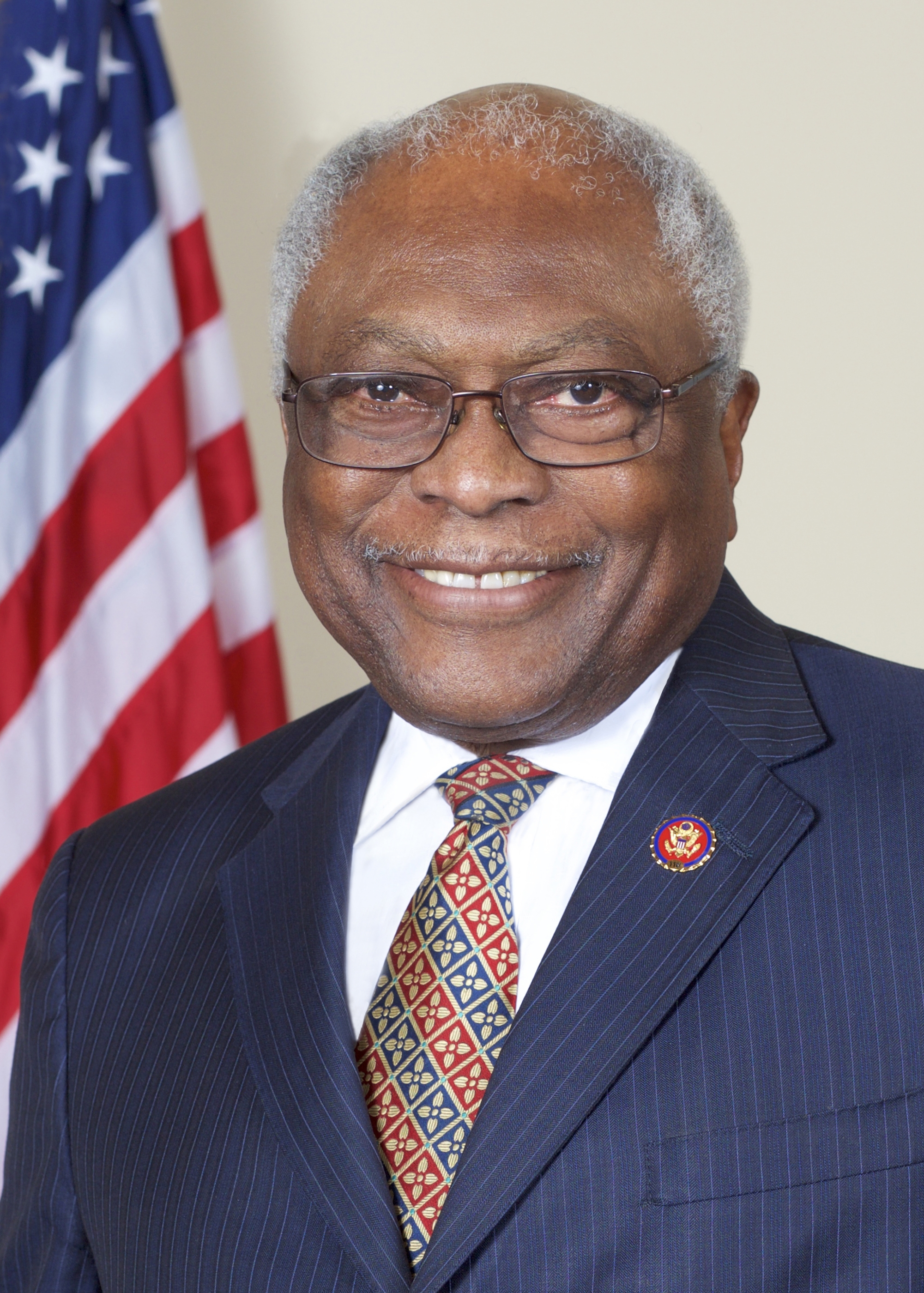
SC Senate cloture vote advances map to end Clyburn's Black district
May 23, 2026
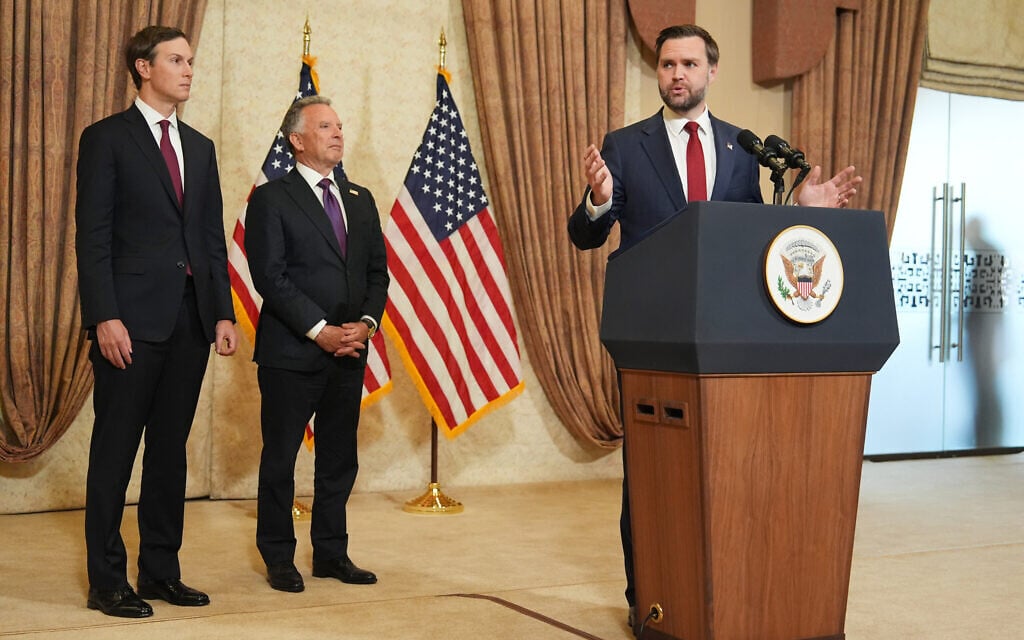
Trump declares Iran peace MOU largely negotiated
May 22, 2026
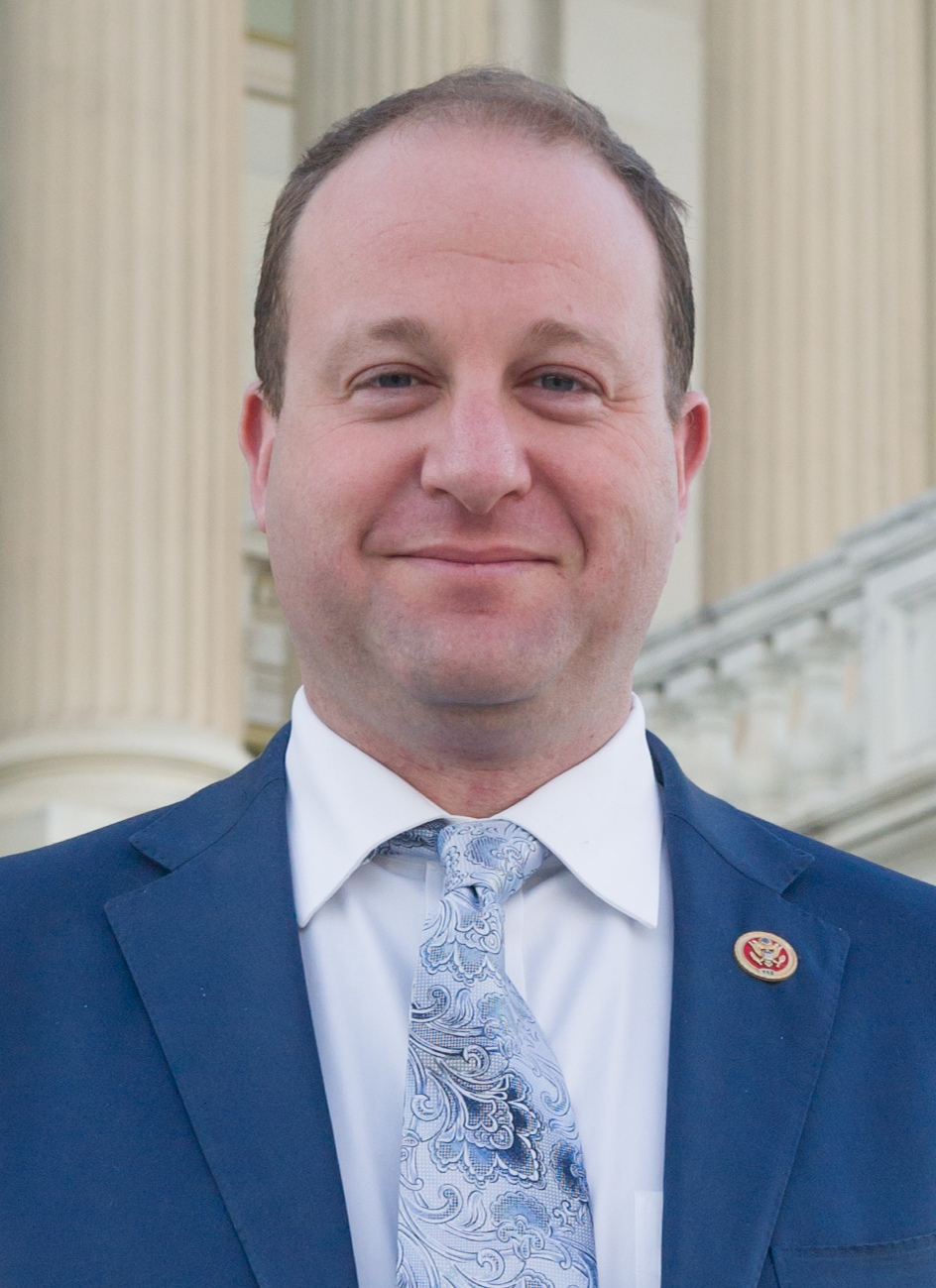
Colorado closes legal gap for defendants found unfit to stand trial
May 22, 2026
Third Circuit splits 6-5, clearing path to deport Khalil
View All Constitutional Law Topics
546 topics
30 questions
Start the review