California voters approved Proposition 50 in November 2024, amending the state constitution to allow the legislature to draw a new congressional district map. This bypassed the California Citizens Redistricting Commission, which had drawn maps since 2011. Democrats argued the commission maps left too many incumbents vulnerable and failed to maximize minority representation.
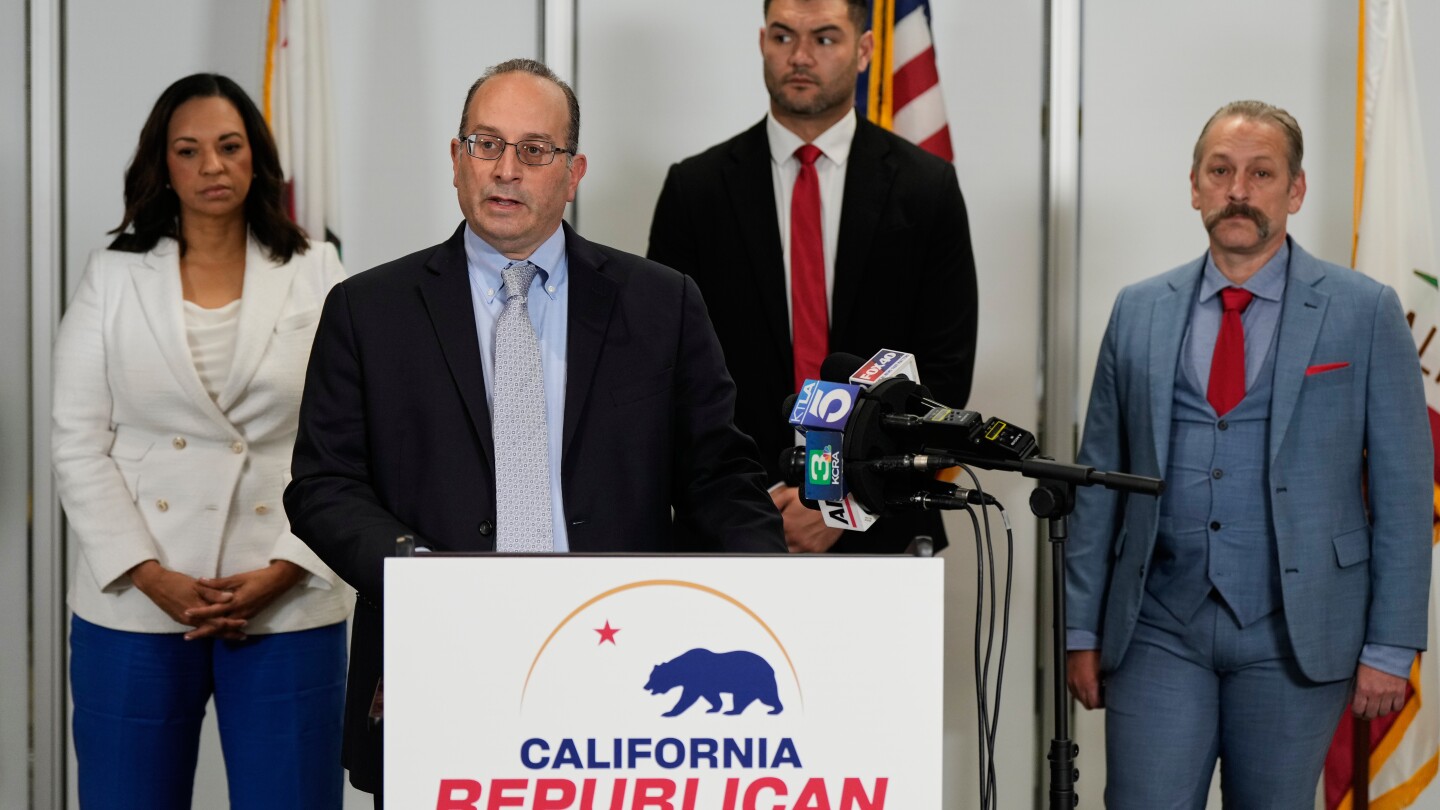
The California Legislature drew new maps under Prop 50 authority, creating districts Democrats argued better reflected population growth and protected minority communities. Republicans immediately challenged the maps as partisan gerrymandering designed to give Democrats a structural advantage in the fight for House control.
The Trump DOJ filed a lawsuit against Governor
Gavin Newsom and Secretary of State
Shirley Weber, alleging California had enacted a race-based redistricting plan violating the Equal Protection Clause. The DOJ argued Latino demographic considerations predominated the line-drawing process — the same legal theory it used against Texas coalition districts.
On February 4, 2026, the Supreme Court denied emergency requests from the DOJ and California Republicans to block the Prop 50 maps. The Court allowed California to proceed with its new districts without a written explanation, clearing the path for the 2026 midterm elections.
Legal scholars noted the juxtaposition with Texas: in December 2025, the Supreme Court allowed Texas to use maps a district court found showed evidence of racial gerrymandering, while in February 2026 the Court declined to block California maps challenged on similar grounds. Both outcomes allowed the maps to proceed, but the DOJ sued California and backed Texas, leading critics to call it partisan rather than legal enforcement.
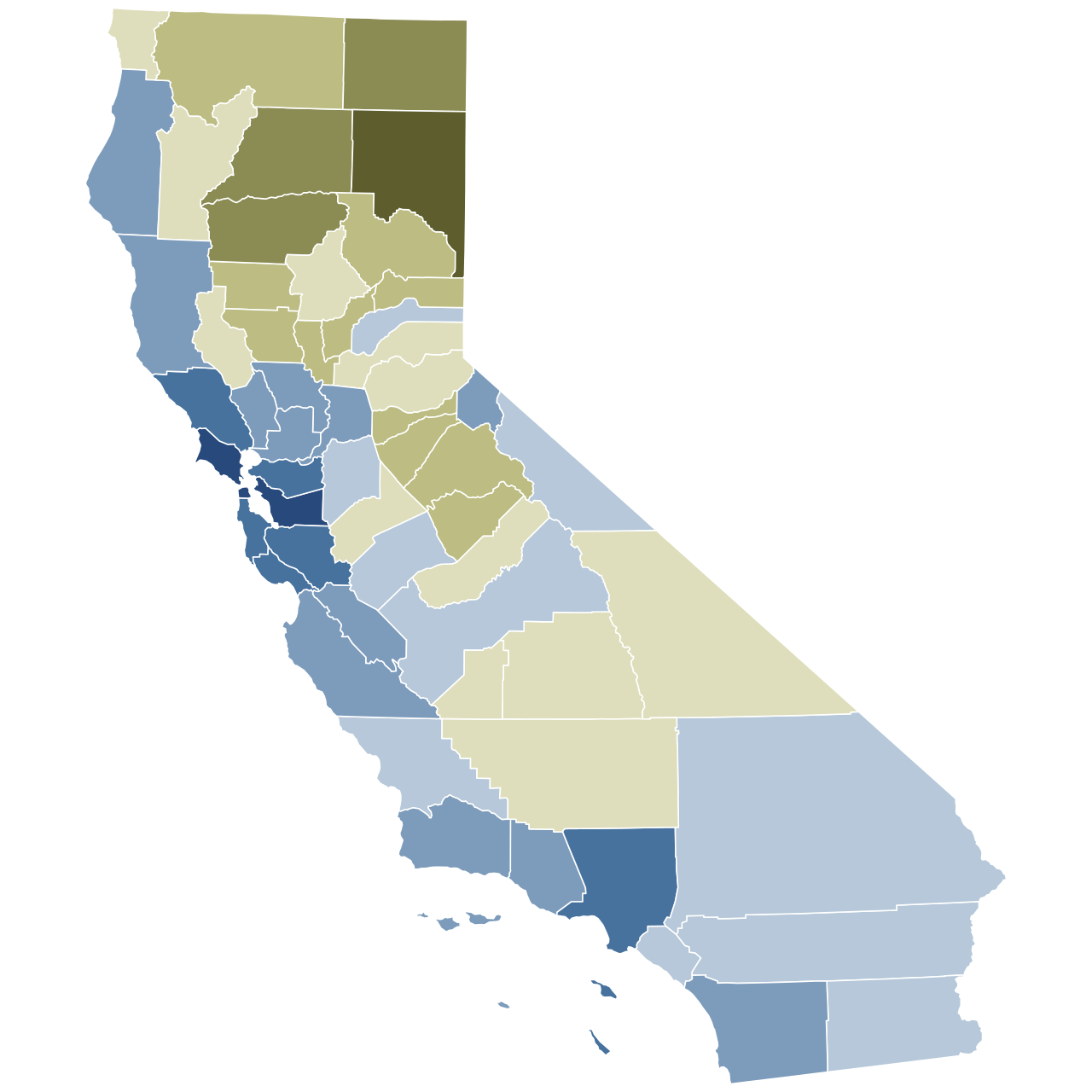
California sends 52 members to the U.S
House — the largest delegation of any state
Democrats held approximately 40 seats before Prop 50 The new maps are designed to make several competitive Republican-held districts safer for Democratic challengers, with potential implications for House control in the 2026 midterms.
The Prop 50 saga reflects a broader national conflict over whether independent redistricting commissions produce fairer maps than partisan legislatures. California created its commission in 2008 specifically to remove politicians from map-drawing, but Democratic legislators and the Prop 50 campaign argued the commission process was too slow and produced suboptimal results.