Supreme Court lets Texas use racially challenged redistricting map for 2026

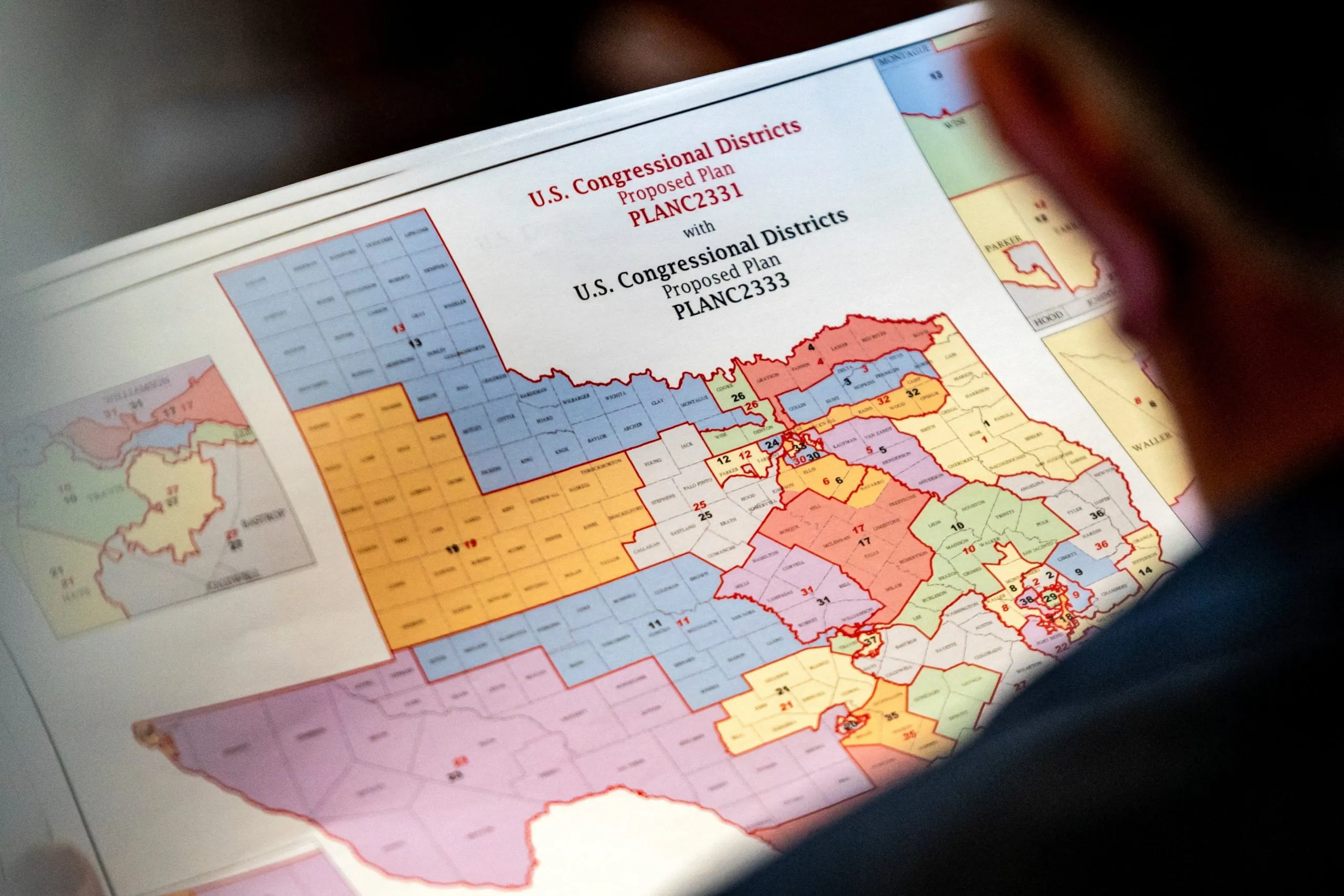
Texas Republicans passed a new congressional map in August 2025 during a special legislative session — a mid-decade redraw outside the normal post-census redistricting cycle. The redraw came after the Trump DOJ sent an unusual letter demanding Texas eliminate its coalition districts, which the DOJ called racial gerrymanders that needed to be fixed.

Coalition districts are majority-minority districts where no single racial or ethnic group forms a majority, but Latino, Black, and other minority voters combine to elect their preferred candidates. The Trump DOJ argued these were unconstitutional racial classifications; civil rights groups counter that eliminating them disenfranchises minority voters who had previously held meaningful representation.

The new Texas map could shift five congressional seats from competitive or Democratic-leaning to safe Republican districts. Texas already sends 25 Republicans and 13 Democrats to Congress. The new map aims to push that to roughly 30 Republicans, which would meaningfully expand the House GOP majority in 2026.

A three-judge federal district court panel blocked the map in November 2025, finding substantial evidence Texas had racially gerrymandered the districts. The panel's majority wrote that although partisan motives played a role, racial sorting was the operative cause — which triggers Voting Rights Act and Fourteenth Amendment protections.

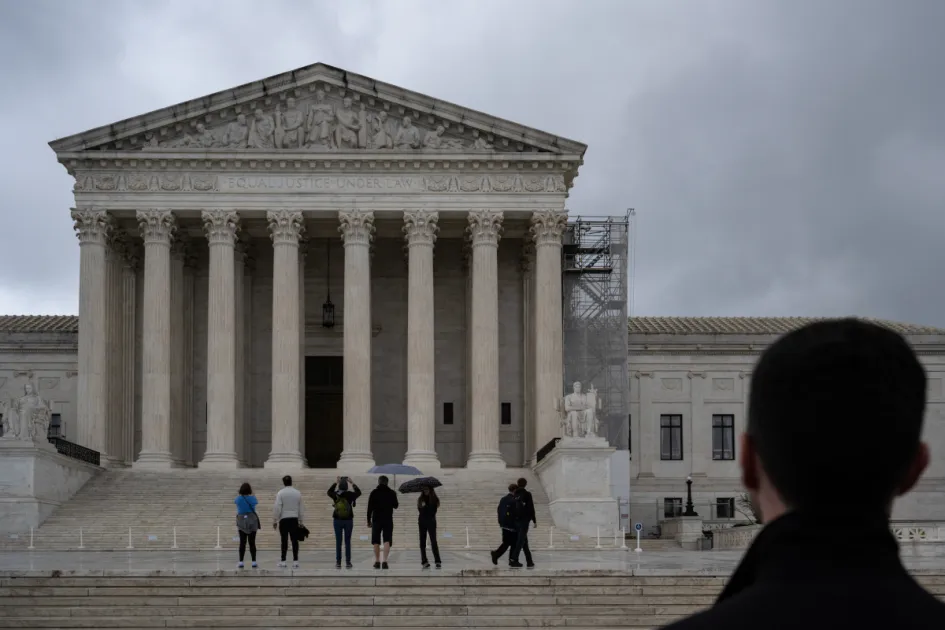
The Supreme Court's 6-3 decision on December 4, 2025 stayed the district court order, letting the map take effect for 2026 primaries and elections. Justice Samuel AlitoSamuel Alito wrote the majority opinion arguing the district court had improperly injected itself into an active election campaign and that Texas's motives were partisan, not racial — and partisan gerrymandering is constitutionally permissible under the Court's 2019 Rucho v. Common Cause ruling.

Justices Sonia Sotomayor, Elena Kagan, and Ketanji Brown Jackson dissented. The liberal justices argued the majority was allowing a racially discriminatory map to harm minority voters for an entire election cycle before the underlying legal question is resolved. MALDEF, NAACP, and LULAC all condemned the order as enabling discriminatory elections.

The Supreme Court's December 2025 stay is not a final ruling on whether the map is legal — it only allows the map to be used while litigation continues. Lower courts will still adjudicate the merits. If the district court ultimately finds the map unlawful, Texas could be forced to redraw again for 2028, creating another cycle of disruption.

🗳️Elections📜Constitutional LawCivil Rights

People, bills, and sources

Samuel Alito

Samuel Alito

U.S. Supreme Court Justice (author of December 2025 stay order)

Greg Abbott

Greg Abbott

Texas Governor

Pam Bondi

Pam Bondi

U.S. Attorney General

Thomas Saenz

President and General Counsel, Mexican American Legal Defense and Educational Fund (MALDEF)

Jeffrey Brown

Jeffrey Brown

U.S. District Judge (Southern District of Texas)

Sonia Sotomayor

U.S. Supreme Court Justice (lead dissenter)

What you can do

1

civic action

Contact Texas congressional representatives about redistricting accountability

The Texas congressional map will determine who represents millions of Texans in 2026. You can contact both your Texas state legislators who drew the map and your current U.S. representative who benefits from it.

I am calling about the 2025 congressional redistricting map. I am concerned that the district boundaries were drawn to reduce minority voting power rather than for legitimate political reasons. What is your position on the Voting Rights Act and ensuring minority communities have fair representation? Will you support an independent redistricting process for future maps?

2

civic action

Support Voting Rights Act litigation organizations

MALDEF, NAACP Legal Defense Fund, and Lawyers Committee for Civil Rights are actively litigating the Texas map. These organizations defend minority voting rights in court when legislative remedies fail.

I want to learn about or support the Texas redistricting litigation. How can I help with voter registration or legal defense efforts for minority communities affected by the new map?

3

civic action

Monitor the 2026 primary elections for voting access issues

The Texas map takes effect for 2026 primaries. Civil rights observers will track whether minority-heavy districts produce fair election outcomes. You can volunteer as a poll worker or election observer.

I want to help monitor the 2026 Texas elections under the new congressional map. How can I become a trained poll worker or election observer to document any voting access issues?