Elections·August 14, 2023
Georgia DA charges Trump with racketeering in 13-count election interference indictment
Fulton County District Attorney Fani Willis indicted Donald Trump and 18 co-defendants on August 14, 2023, charging them under Georgia's RICO statute for their roles in a coordinated effort to overturn Georgia's 2020 presidential election results

Fulton County District Attorney Fani Willis secured a 41-count indictment against Donald Trump and 18 co-defendants on August 14, 2023, charging them under Georgia's Racketeer Influenced and Corrupt Organizations Act for allegedly conspiring to overturn Georgia's 2020 presidential election results.
The 98-page indictment listed 161 overt acts the defendants allegedly committed as part of the criminal enterprise, including Trump's January 2, 2021 phone call demanding Secretary of State Brad Raffensperger find 11,780 votes to change the certified result.
The 13 charges against Trump included one count of violating Georgia's RICO Act, three counts of soliciting violations of oath by a public officer, and nine additional felony counts for conspiracy and false statements related to the fake elector scheme.
Willis convened a special-purpose grand jury in May 2022 that heard testimony from 75 witnesses over eight months, including Raffensperger, Governor Brian Kemp, Giuliani, and Senator Lindsey Graham; the jury submitted its recommendations to Willis in January 2023.
Sidney Powell pleaded guilty on October 19, 2023 to six misdemeanor counts; Kenneth Chesebro pleaded guilty on October 20, 2023 to felony conspiracy; Jenna Ellis pleaded guilty on October 24, 2023 to aiding and abetting false statements — all three agreed to testify against remaining defendants.
Georgia Court of Appeals disqualified Willis in December 2024, citing her romantic relationship with special prosecutor Nathan Wade and the $600,000 in taxpayer funds paid to Wade while he covered travel expenses for the couple.
Federal judges denied Mark Meadows's and Jeffrey Clark's attempts to move the case to federal court, ruling their alleged conduct was not within their official federal duties and that the federal-officer removal statute does not apply to former federal officers.
Related Topics
6
Trump pardons fake electors as Georgia prosecutor dismisses election interference case
President pardons co-conspirators in fake elector scheme after regaining office, testing pardon power limits

Georgia prosecutor drops Trump election charges, citing federal jurisdiction
Last criminal case against Trump dismissed after new prosecutor cites federal venue
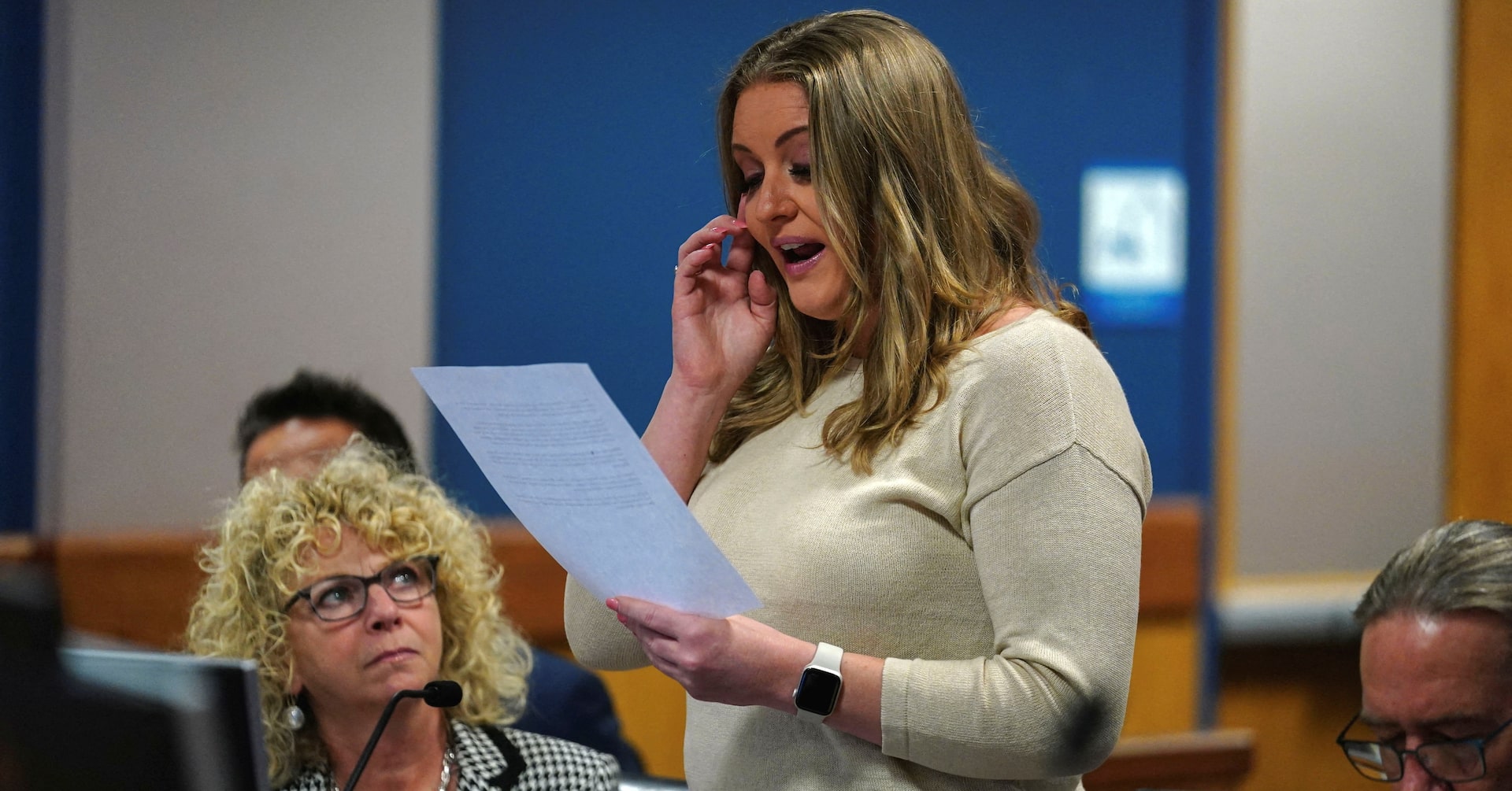
Four Georgia RICO defendants take plea deals, agree to testify against Trump
Sidney Powell, Kenneth Chesebro, Jenna Ellis, and Scott Hall each pleaded guilty in fall 2023, dodging RICO convictions in exchange for probation, restitution, and sworn cooperation with Fulton County prosecutors
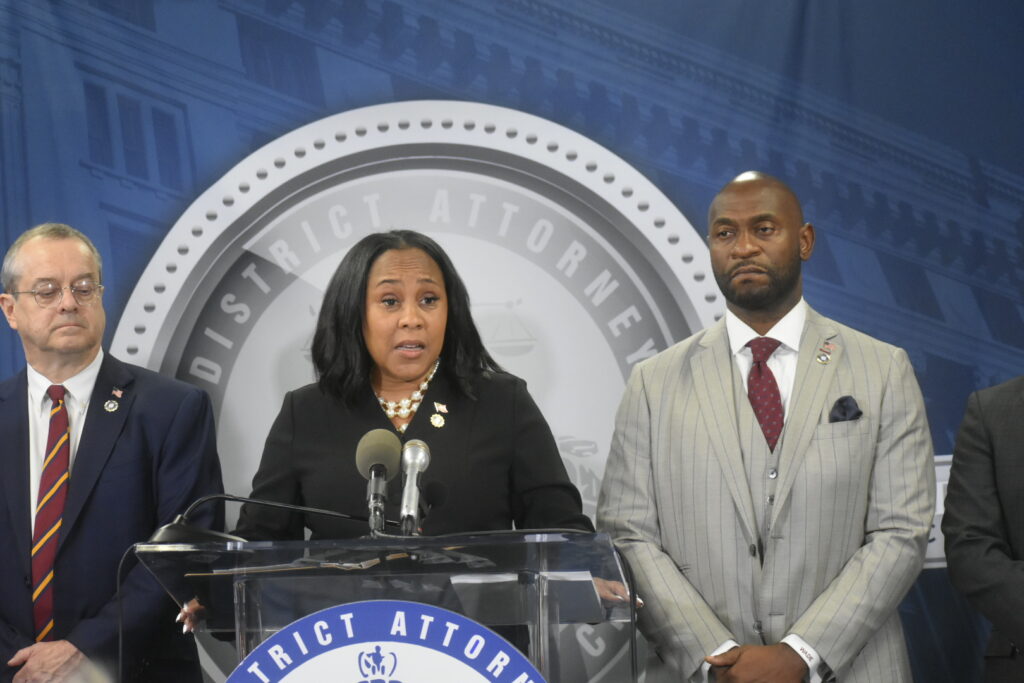
Georgia appeals court disqualifies Fani Willis from prosecuting Trump over romantic relationship
Appeals court removes DA from Trump prosecution over relationship, casting doubt on case's future
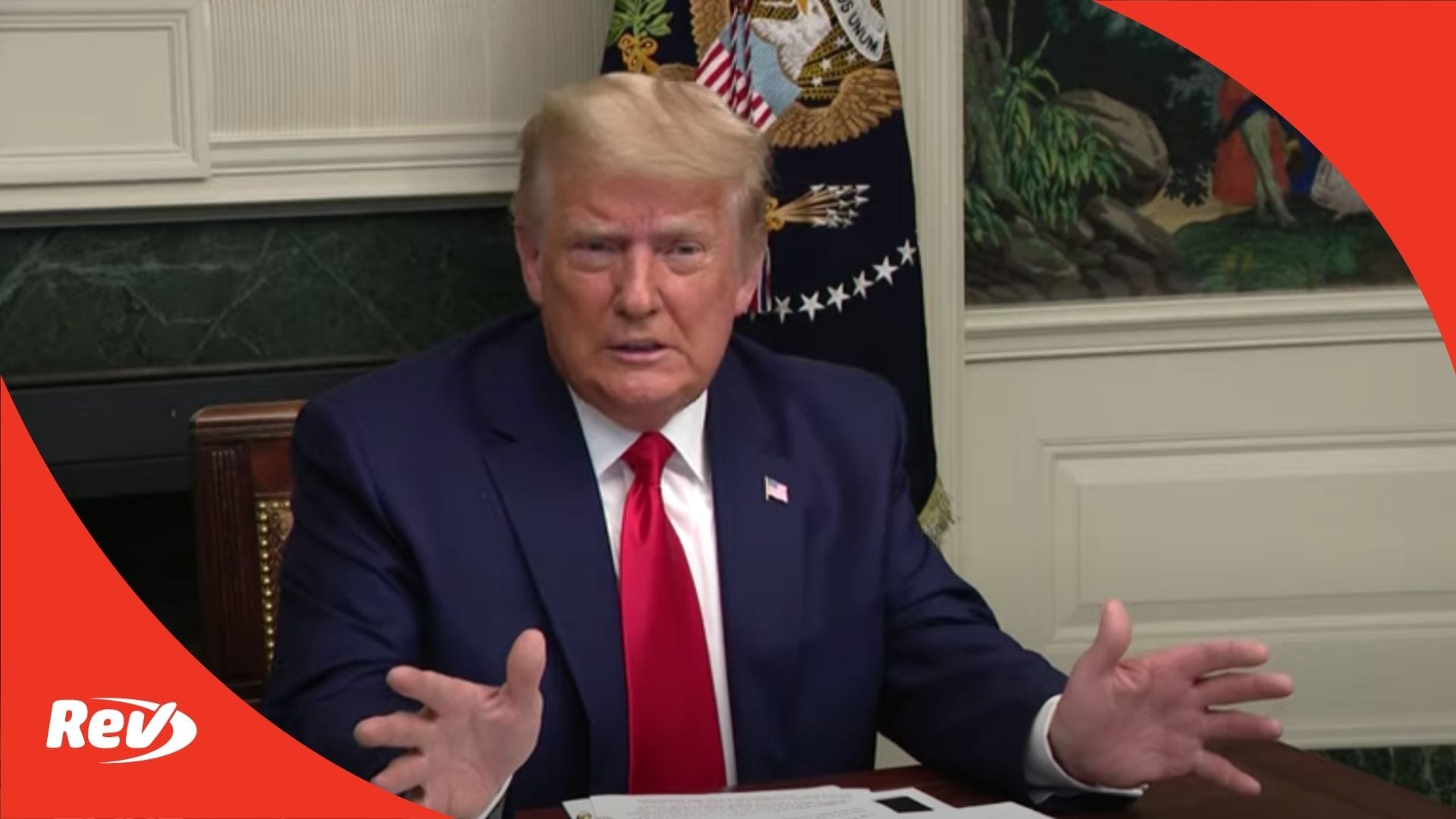
Trump pressures Georgia secretary of state to "find 11,780 votes" in hour-long call
Trump threatens Georgia's top election official with criminal prosecution unless he reverses Biden's certified win
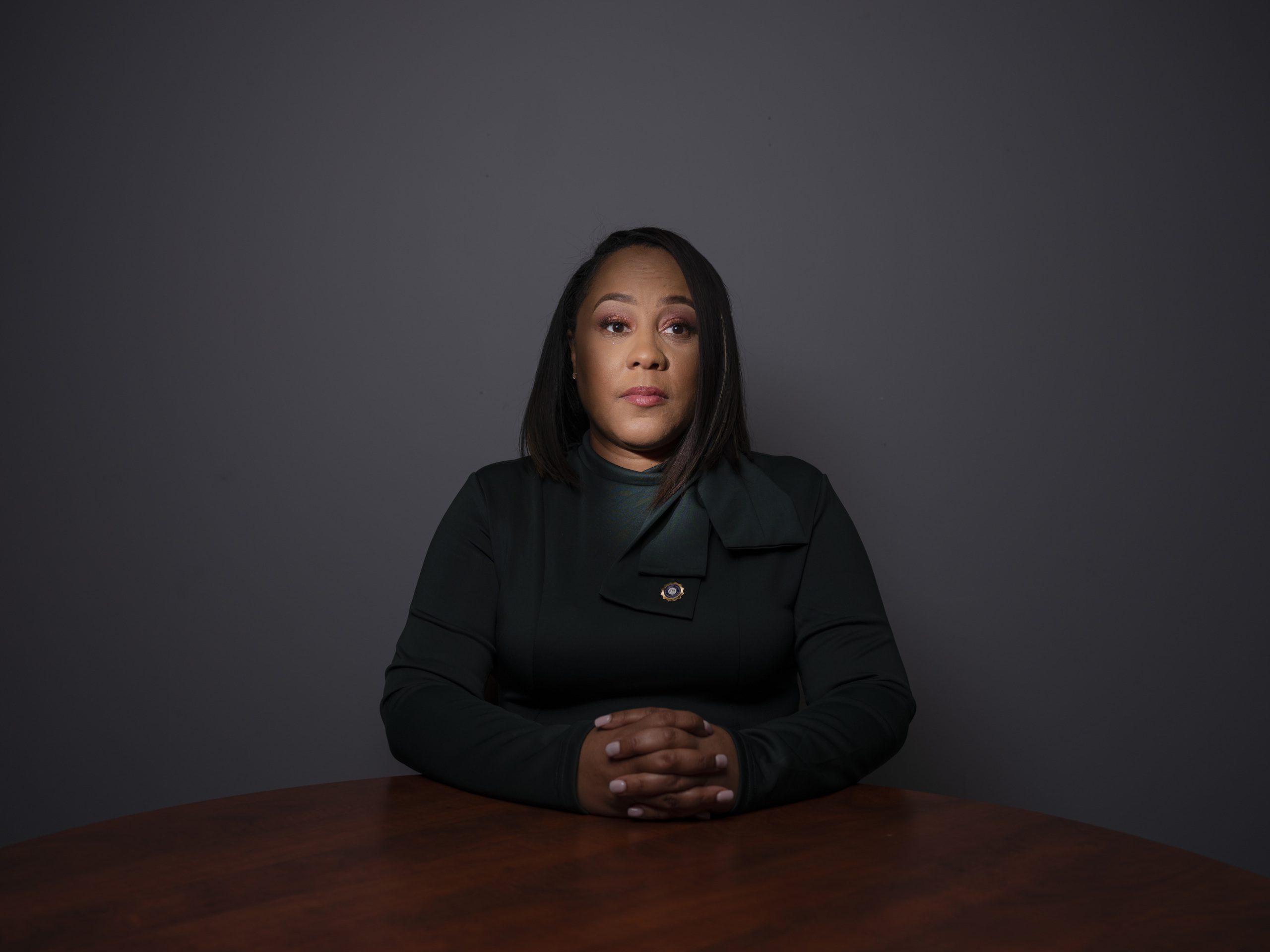
New prosecutor named to replace Fani Willis in Georgia election interference case against Trump
New prosecutor takes Georgia election case, then drops all charges within two weeks
20 questions
Start the review