Elections
November 10, 2025Trump pardons fake electors as Georgia prosecutor dismisses election interference case
President pardons co-conspirators in fake elector scheme after regaining office, testing pardon power limits

President Trump issued a sweeping federal pardon on Nov. 9, 2025, for 77 people involved in the fake electors scheme, including all 18 co-defendants charged in Fulton County District Attorney Fani Willis's Aug. 2023 Georgia election interference indictment. The pardon covered Rudy Giuliani, Mark Meadows, Sidney Powell, John Eastman, Kenneth Chesebro, and Georgia Lt. Gov. Burt Jones (unindicted co-conspirator).
The pardon is largely symbolic because Trump doesn't have authority to pardon state charges—only federal crimes. Justice Department Pardon Attorney Ed Martin announced the pardons on X, calling the fake electors alternate electors.
Pete Skandalakis, executive director of the Prosecuting Attorneys' Council of Georgia, dismissed all charges against Trump and remaining defendants on Nov. 26, 2025. He took over after Willis was disqualified in Dec. 2024 due to a romantic relationship with special prosecutor Nathan Wade that created an appearance of impropriety.
Skandalakis said he was unable to find another prosecutor willing to take the case.
In his 22-page motion, he argued prosecuting a sitting president is unrealistic and the case would take five to ten years to complete. Judge Scott McAfee granted the dismissal minutes after Skandalakis filed the motion.
Skandalakis found no criminal intent for the three Georgia fake electors who remained charged: David Shafer (former Georgia GOP chair), Sen. Shawn Still, and Cathleen Latham. He wrote they acted on advice of an attorney they reasonably believed to be an expert in election law and genuinely believed their actions were a lawful component of the election contest process.
He quoted Special Counsel Jack Smith's finding that co-conspirators deceived Trump's elector nominees, deliberately withholding information about how their votes would be used. This deception was crucial to engaging the participants as fraudulent electors.
The original Aug. 2023 indictment charged Trump and 18 co-defendants with violating Georgia's RICO Act as part of a criminal enterprise to overturn the 2020 election. It listed 161 individual acts supporting the conspiracy including creating and submitting fake electoral certificates, pressuring Secretary of State Brad Raffensperger to find votes, breaching Coffee County election equipment, making false statements to state legislators, and intimidating election workers Ruby Freeman and Shaye Moss. Four defendants pleaded guilty before the case was dismissed: Sidney Powell, Kenneth Chesebro, Jenna Ellis, and Scott Hall.
The case against Willis began when defendant Michael Roman revealed her romantic relationship with Nathan Wade, whom she hired as special prosecutor. Wade billed the county over $700,000 while taking vacations with Willis that she partially funded.
Georgia's Court of Appeals disqualified Willis in Dec. 2024, finding a significant appearance of impropriety.
The Georgia Supreme Court declined to hear Willis's appeal in Sep. 2025. Judge McAfee gave prosecutors until Nov. 14 to appoint a new prosecutor or he would dismiss the case. Willis handed over 101 boxes of documents and the entire case file on a hard drive to Skandalakis.
Skandalakis determined the case belonged in federal court, not state court. He wrote the criminal conduct alleged in the Atlanta Judicial Circuit's prosecution was conceived in Washington, D.C., not Georgia.
He said trying Trump while he's president (through Jan. 2029) is impossible due to Department of Justice policy barring prosecution of sitting presidents. Arguments over presidential immunity alone would tie the case up for months or years with no guarantee the state would prevail. He called severing Trump from co-defendants futile and unproductive.
The fake electors met publicly on Dec. 14, 2020, at Georgia's State Capitol, invited the press, tweeted about it, and hired a court reporter to create a transcript
They submitted electoral certificates to Congress claiming Trump won Georgia even though Biden won by 11,779 votes (verified by hand recount and multiple audits)
Skandalakis found they believed they were preserving electoral votes in case Trump prevailed in pending litigation challenging the election He wrote it's not illegal to challenge election results and he's loath to use the criminal justice system against law-abiding citizens who acted upon advice of counsel in good conscience.
Similar fake elector prosecutions continue in other states. Michigan Attorney General Dana Nessel charged 16 people with eight felonies each in 2023; one had charges dropped for cooperation.
Arizona Attorney General Kris Mayes filed charges but the case is stayed after a judge found the state failed to make a fair presentation to the grand jury regarding the Electoral Count Act.
Nevada Attorney General Aaron Ford charged six fake electors; the Nevada Supreme Court revived the case in Nov. 2025 after a lower court dismissed it for lack of jurisdiction. Wisconsin and Pennsylvania also investigated but haven't brought charges. Federal pardons don't affect any state prosecutions.
Timeline
January 6 Insurrection: Attack on the Capitol
Nov 10, 2025
ExecutiveMajor
Trump pardons fake electors and allies in 2020 election interference cases
President Trump pardoned approximately 77 people connected to the fake electors scheme to overturn the 2020 election, including his 18 co-defendants in the Georgia racketeering case and 16 alternate electors who signed false certificates claiming Trump won Georgia. The pardons cover only federal charges; Georgia state charges remained pending until a new prosecutor dismissed the full Fulton County case on November 26, 2025.
Related Topics
5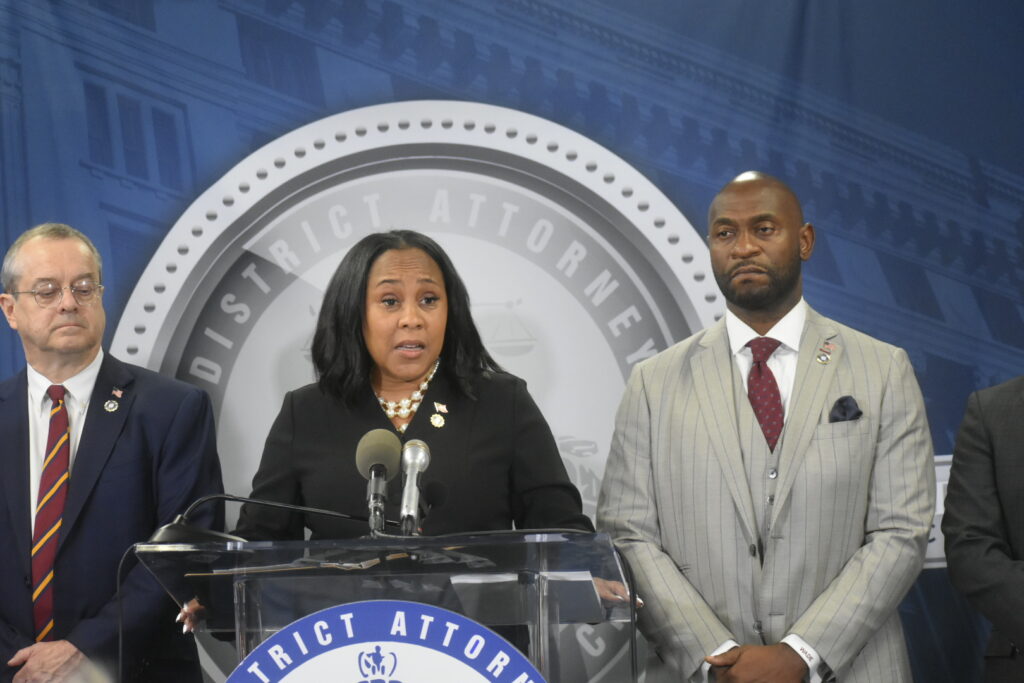
Georgia appeals court removes Fani Willis from Trump prosecution
Romantic relationship with special prosecutor triggers DA disqualification
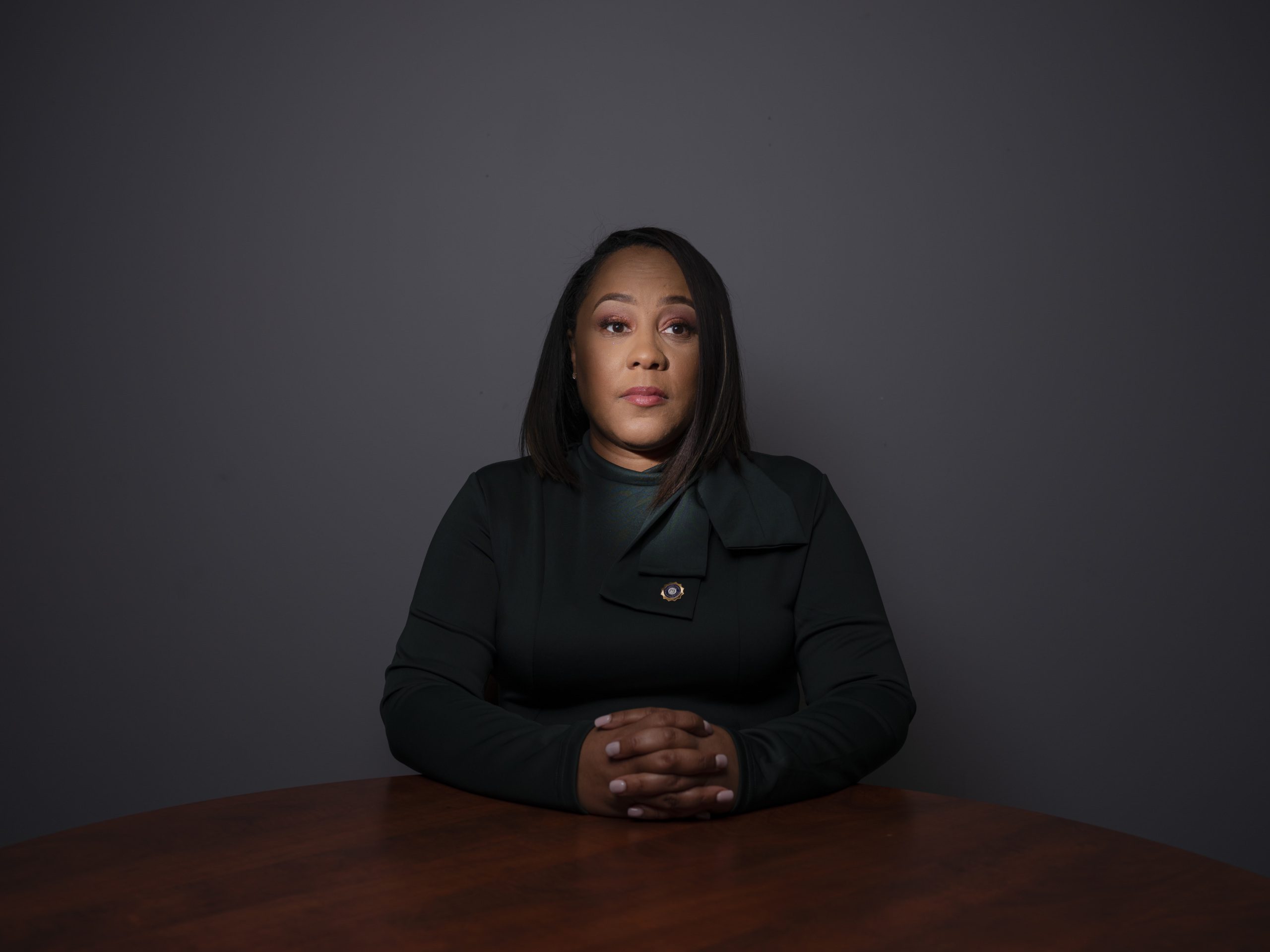
Georgia DA Fani Willis charges Trump under RICO in election case
Willis used RICO statute to charge 19 defendants in criminal enterprise

Georgia prosecutor drops Trump election charges, citing federal jurisdiction
Last criminal case against Trump dismissed after new prosecutor cites federal venue
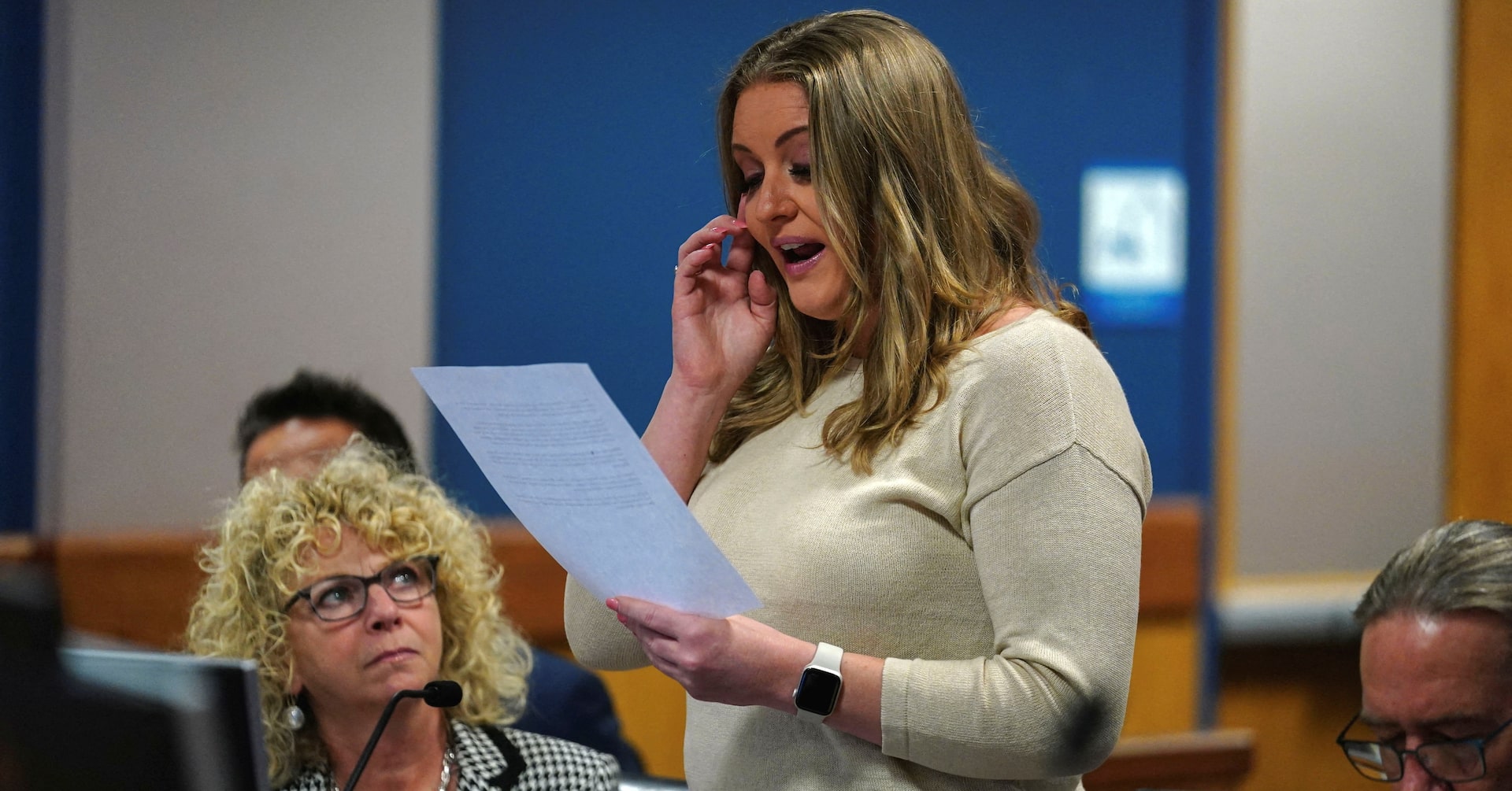
Four Georgia RICO defendants take plea deals, agree to testify against Trump
Sidney Powell, Kenneth Chesebro, Jenna Ellis, and Scott Hall each pleaded guilty in fall 2023, dodging RICO convictions in exchange for probation, restitution, and sworn cooperation with Fulton County prosecutors
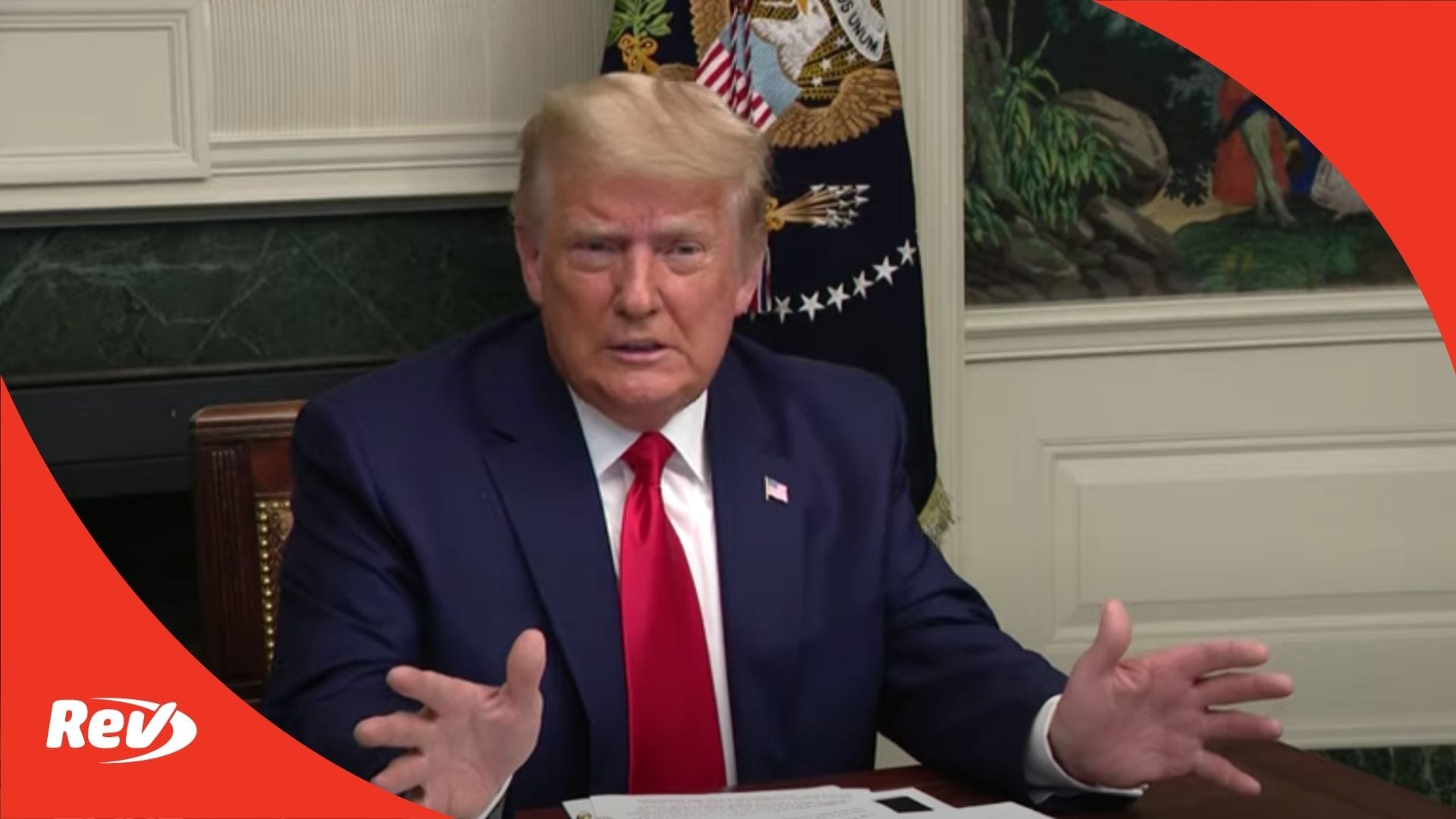
Trump calls Georgia secretary of state to demand 11,780 votes
Recorded call shows president threatening election official with criminal prosecution
31 questions
Start the review