Trade · 54d5a96a 96ba 4f21 Baad Cb32c8834e66 · Foreign Policy·April 24, 2026
Treasury sanctions 40 Iran shadow fleet vessels and China's Hengli refinery
Treasury sanctions 40 Iran oil tankers and Chinese refinery, draining regime revenue by $435 million daily

On April 24, 2026, the U.S. Department of Treasury announced sanctions targeting approximately 40 shipping firms and vessels operating as Iran shadow fleet, along with China-based Hengli Petrochemical Refinery. Treasury Secretary  Scott Bessent led the announcement as part of the Economic Fury campaign, which the
 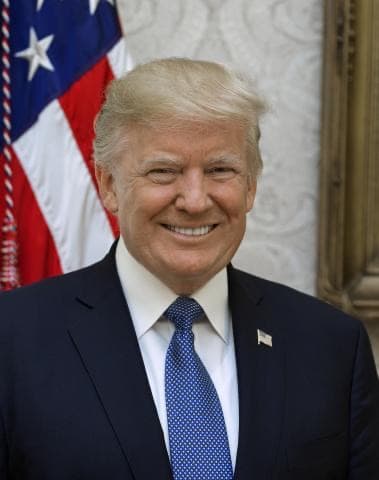 Trump administration launched in February 2025 to impose maximum economic pressure on Iran. Hengli Petrochemical (Dalian) Refinery Co. is one of Iran largest customers for crude oil and petroleum products, having purchased billions of dollars worth of Iranian petroleum since at least 2023. 📖Shadow fleet vessels use deceptive practices including false flags, shell company ownership, and ship-to-ship transfers to obscure Iranian crude shipments and evade international sanctions. The Treasury designated 19 tankers directly and approximately 21 additional shipping firms and vessel operators. Under Secretary for Terrorism and Financial Intelligence Brian Nelson oversees OFAC enforcement actions. The sanctions freeze U.S. financial system access and block any U.S.-held assets, effectively cutting off Iran primary mechanism to sell oil on global markets covertly.
Key facts
Treasury Secretary Scott Bessent announced April 24, 2026 OFAC designations targeting 40 shipping companies and vessels in Iran's shadow fleet plus Hengli Petrochemical refinery in China. Shadow fleet tankers use deceptive practices including flag hopping, transponder blackouts, and ship-to-ship transfers to move Iranian crude oil to global markets in violation of sanctions. ()
Hengli Petrochemical in Dalian, China is one of Iran's largest crude oil customers, purchasing billions of dollars of Iranian oil annually. OFAC sanctions block Hengli from accessing the US financial system, freeze any US-held assets, and prohibit US persons from transacting with the company.
Trump administration issued National Security Presidential Memorandum 2 on February 4, 2025, directing maximum pressure on Iran including driving oil exports toward zero. The goal is to cut funding for the IRGC-Quds Force and Hezbollah proxies. Since February 2025, OFAC has designated over 1,000 people, vessels, and aircraft related to Iran's oil trade.
Iran earns an estimated $435 million per day from oil exports. Shadow fleet tankers allow Iran to sell crude at near-market rates despite official sanctions, because buyers use intermediaries and flag-of-convenience registrations to obscure Iranian origin. The US and EU have imposed shadow fleet sanctions since Russia's 2022 Ukraine invasion.
Under Secretary Brian Nelson at Treasury's Office of Terrorism and Financial Intelligence (OFAC) oversees sanctions enforcement and coordinates with the State Department on intelligence about illicit finance networks linked to the Iranian regime.
China's independent refineries, known as 'teapots,' have been Iran's primary crude buyers since Western sanctions cut off European markets. Hengli is one of the largest. China has not enforced US secondary sanctions on Iranian oil purchases, creating ongoing enforcement challenges for Treasury.
The shadow fleet sanctions are part of broader Economic Fury campaign that also includes sanctions on Iranian petrochemical companies, financial institutions, and senior regime officials. Treasury argues the pressure has forced Iran to spend currency reserves propping up the rial, reducing money available for proxy forces.
Critics including Richard Nephew, former State Department sanctions coordinator, have argued shadow fleet sanctions displace oil to black market buyers rather than reducing total Iranian revenue. Iran's oil exports hit record levels in 2024 despite escalating sanctions pressure.
Related
Categories that may be relevant to you
5 topics available

May 23, 2026
DOJ scrubs hundreds of Jan. 6 prosecution records from website
May 22, 2026
Colorado closes legal gap for defendants found unfit to stand trial
🔍
May 22, 2026
FTC fines Cox Media Group $930K for fake AI listening ad service

May 22, 2026
Warsh sworn in as Fed chair at White House in first such ceremony since 1987
May 22, 2026
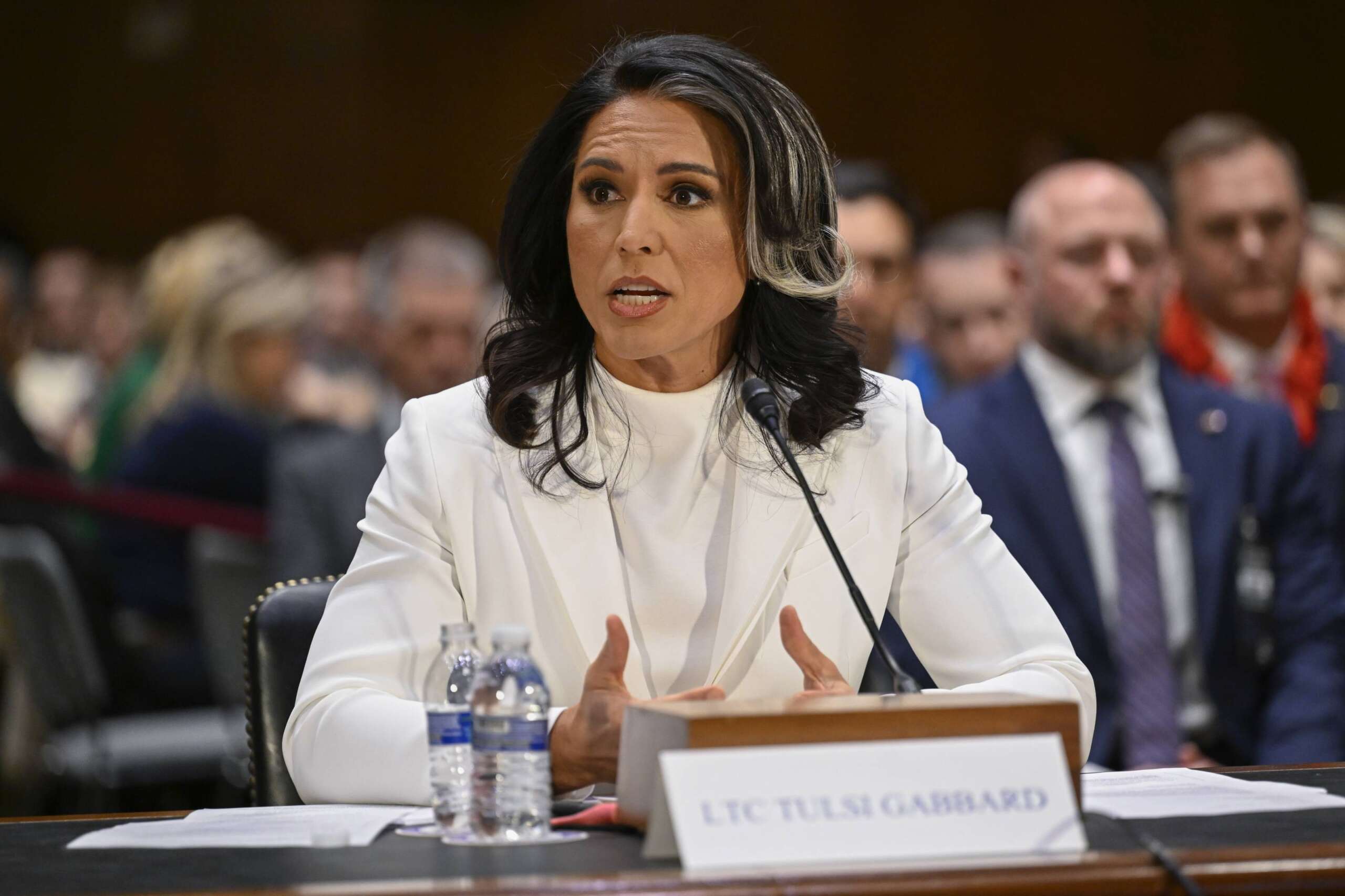
Gabbard resigns as director of national intelligence
View All Government Topics
770 topics
27 questions
Start the review