Civil Rights · Elections·February 6, 2026
House passes SAVE America Act 218-213, sending proof-of-citizenship voting bill to Senate
GOP passes SAVE Act requiring 21 million eligible voters to show citizenship documents

The House passed the SAVE America Act on Feb. 11, 2026, in a 218-213 vote — the third House passage of a proof-of-citizenship voting bill in under two years. Previous versions passed in July 2024 (221-198) and March 2025 (220-208).
The vote was almost entirely party-line: all Republicans present voted yes, and all but one Democrat — Rep. Henry Cuellar of Texas — voted no. Reps. Ed Case (Hawaii), Jared Golden (Maine), and Marie Gluesenkamp Perez (Washington), who voted for the 2024 version, opposed this one.
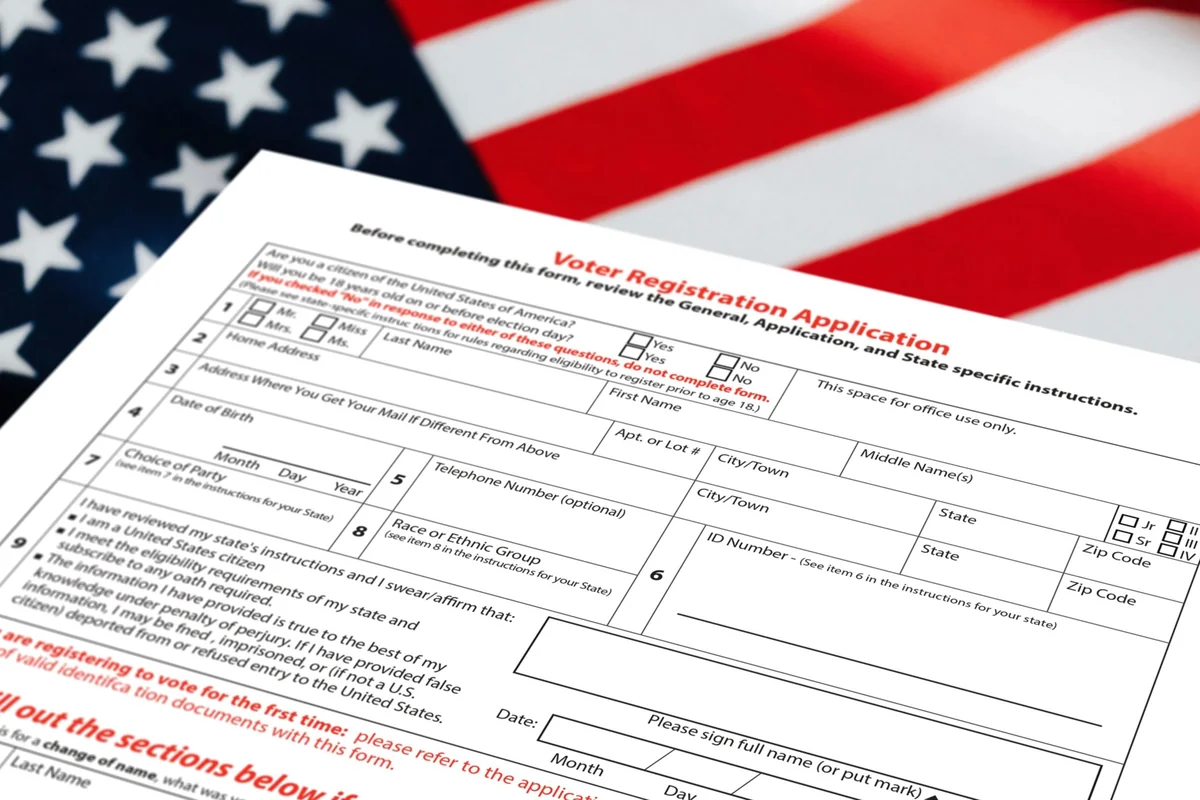
The SAVE America Act adds new layers on top of the original SAVE Act. The 2025 version required documentary proof of citizenship — a passport or birth certificate — to register to vote.
The 2026 version adds a national photo ID requirement to cast a ballot in person or by mail.
Mail-in voters must submit a photocopy of an eligible ID or provide the last four digits of their Social Security number and sign an affidavit. Voters without ID must cast a provisional ballot and return within three days with acceptable ID — or sign an affidavit claiming a religious objection to being photographed.
The bill's document requirements create a specific burden for voters who have changed their names. Birth certificates often don't match a married person's or transgender person's current legal name.
The bill includes a narrow fix: an affidavit 'attesting that the name on the documentation is a previous name of the applicant.' But voting rights advocates say that in practice, the bureaucratic burden of assembling mismatched documents deters registration, especially for the estimated 69 million women who changed their names after marriage without updated birth certificates.
The Brennan Center for Justice estimates more than 21 million eligible American voters — about 9% of the eligible electorate — lack ready access to the documents the bill requires
Roughly half of all American adults don't have a valid passport
Eleven percent of registered voters don't have easy access to their birth certificate Two-thirds of Black Americans don't have a passport Citizens of color are three times more likely than white citizens to lack required documents, according to League of Women Voters research citing Census data.
The bill's evidence of a noncitizen voting problem is thin by the government's own data. Utah reviewed all 2 million registered voters between April 2025 and January 2026 and found one confirmed noncitizen registration and zero noncitizen votes.
The DHS SAVE program — which the bill would require all states to use — returns only 0.04% of cases as noncitizens, and in Travis County, Texas, 25% of those flagged had already submitted proof of citizenship when they registered.
Georgia's 2025 citizenship audit of 8.2 million voters found 20 noncitizens. Noncitizen voting in federal elections has been illegal since the Illegal Immigration Reform and Immigrant Responsibility Act of 1996.
The bill imposes criminal penalties on election officials that voting administrators across party lines say are unprecedented and operationally dangerous. Election officials who register voters without the required documents face up to five years in federal prison — even for honest clerical errors on whether a voter has properly satisfied the documentation requirement. The Brennan Center warns that local officials who make good-faith mistakes while processing thousands of registrations could face prosecution, creating a chilling effect on registration assistance.
The bill requires states to purge voter rolls monthly using the DHS SAVE database — a system that experts say generates false positives. Monthly purges conflict with the existing federal 90-day quiet period that protects voters from being wrongly removed right before an election. A single state voter file error could cascade into the disenfranchisement of legitimate citizens, as happened when Alabama and Arizona's earlier citizenship-check programs were struck down by courts after wrongly targeting naturalized citizens.
The Senate filibuster is the bill's most immediate obstacle. Republicans hold 53 seats but need 60 votes to break a Democratic filibuster. As of Feb. 17, 2026, the bill has 50 Republican backers — not enough.
Sen. Lisa Murkowski (R-AK) has formally opposed the bill, calling it a federalization of elections Republicans opposed when Democrats tried the same in 2021.
Sen. Susan Collins (R-ME) has concerns about the revised version. Sen. Mitch McConnell (R-KY) has not endorsed it, citing his longstanding view that states should run their own elections. Sen. Mike Lee (R-UT) is pushing a 'talking filibuster' strategy; Majority Leader Thune has promised a vote but called the talking filibuster a logistical quagmire that could tie up the floor 'for weeks or months.'
Related Topics
3
Trump halts all legislation until voter ID bill passes Senate
21 million Americans lack the documents the bill requires to register to vote

D.Ariz blocks citizenship requirement citing Anderson v. Celebrezze
Proof-of-citizenship mandate struck down as unconstitutional while challenges proceed
House requires birth certificates to vote despite 21 million lacking them
Birth certificate requirements would block 21 million Americans from federal voting
19 questions
Start the review