Government · Economy·February 11, 2026
CBO projects federal debt will hit 120% of GDP by 2036, highest in US history
Annual deficits climb to $3.1 trillion as interest costs double

The Congressional Budget Office is a nonpartisan agency that provides budget analysis to Congress. It released its Budget and Economic Outlook for fiscal years 2026 to 2036 on Feb. 11, 2026. The report projects debt held by the public will reach 120% of GDP by 2036, up from 99% in 2025.
The One Big Beautiful Bill Act passed in January 2026 is the largest driver of new deficits. The CBO estimates it will add $4.7 trillion to deficits between 2026 and 2035. The bill included tax cuts, increased defense spending, and expanded benefits programs.
Trump administration tariffs will generate approximately $3.0 trillion in revenue over the next decade. However, the Committee for a Responsible Federal Budget notes these tariffs will also increase consumer prices. Higher prices reduce purchasing power and slow economic growth.
Reduced immigration adds $500 billion to deficits over the projection period. Fewer workers means less payroll tax revenue and less income tax revenue. The CBO assumes net immigration will average 1.1 million people per year, down from 3.3 million in 2024.
Interest costs will double from $1.0 trillion in fiscal year 2026 to $2.1 trillion by 2036. As a share of GDP, interest costs rise from 3.6% to 4.6%. This means nearly 5 cents of every federal dollar will go to interest payments instead of programs.
The Social Security Old Age and Survivors Insurance trust fund will be depleted in 2032. At that point, incoming payroll taxes will only cover 79% of scheduled benefits. Congress will need to cut benefits by 21%, raise payroll taxes, or use general revenues.
The Highway Trust Fund will run out of money in 2028
The fund relies on federal gas taxes that have not increased since 1993
Electric vehicles pay no gas tax Without congressional action, highway funding will drop by about one-third.
Related Topics
6
Trump's 15% Section 122 global tariff takes effect after IEEPA defeat
$130B in refunds unresolved, Congress has 150 days to override

Trump ends duty-free treatment for all small packages shipped to the U.S
A 10% tariff now applies to every package under $800 from any country until July 2026
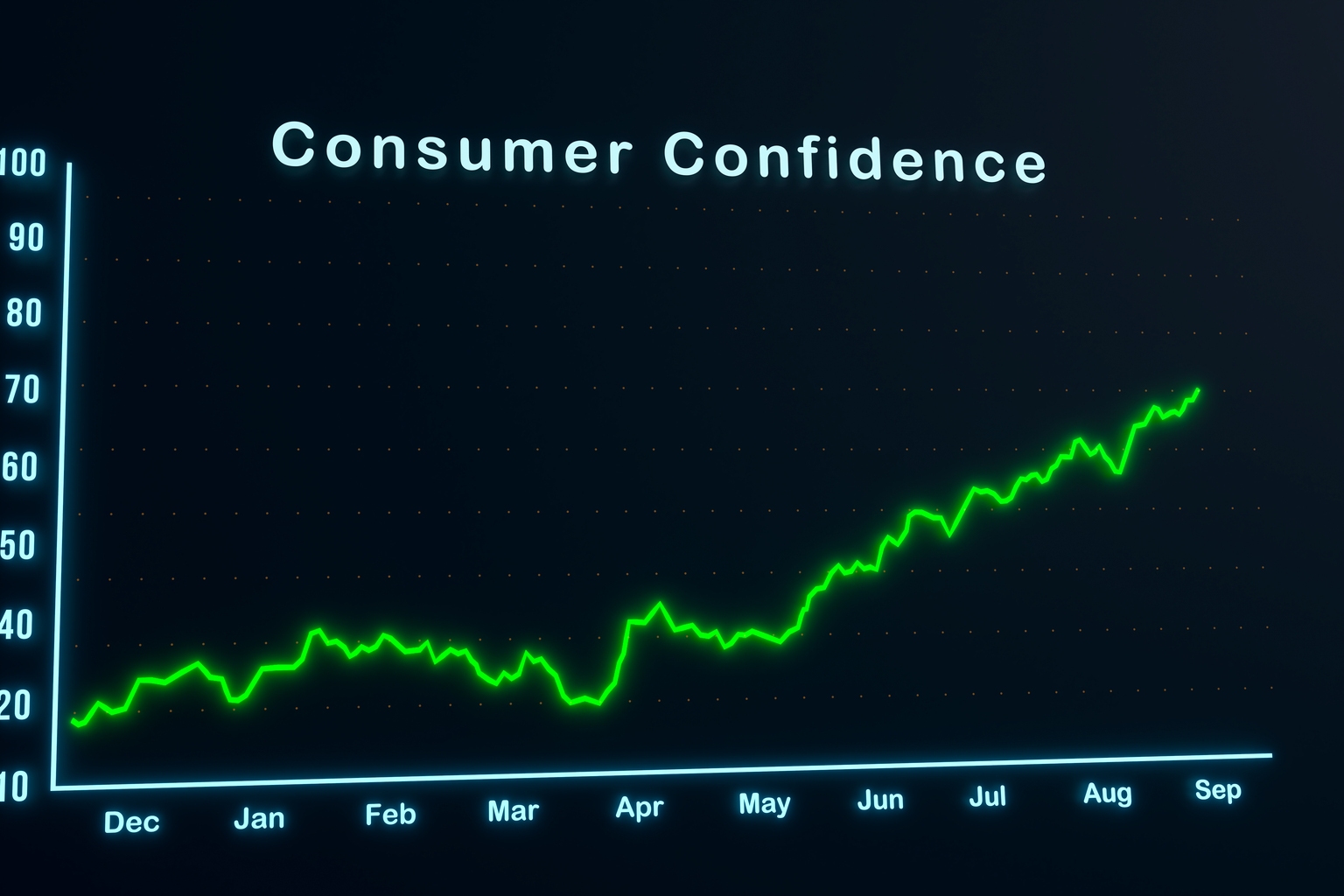
Consumer confidence rises but expectations below 80 for 13 months signals recession risk
Expectations Index below 80 for 13 straight months — the longest streak since early 2008
Trump imposes 25 percent tariff on Iran trading partners creating global trade uncertainty
Vague tariff order creates uncertainty for China, India, Turkey trade

Fed holds rates steady as DOJ investigates Powell and Trump searches for successor
First 2026 decision keeps rates at 3.5-3.75% despite Trump pressure
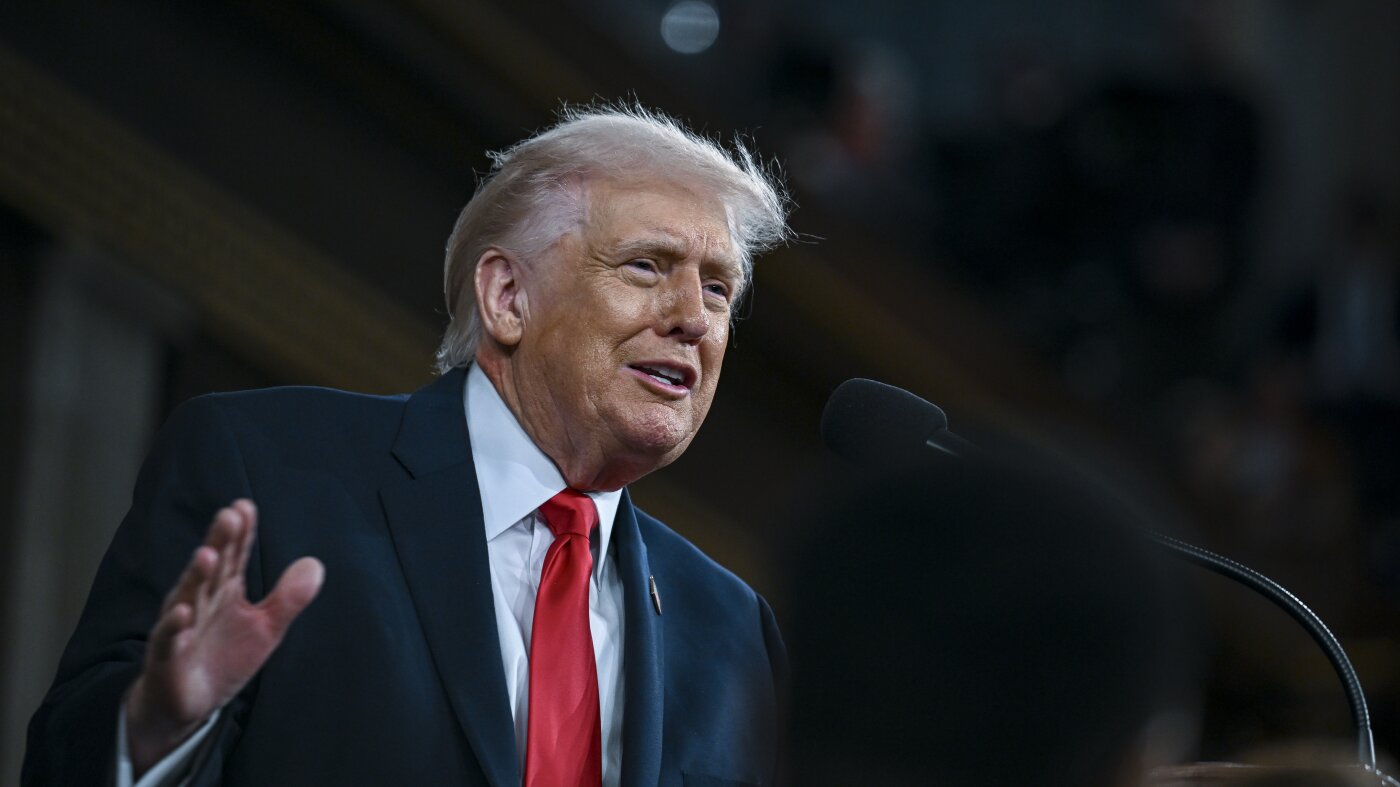
Trump delivers first formal State of the Union of his second term
DHS shutdown, Iran buildup, and SCOTUS tariff loss frame the address
35 questions
Start the review