Trade · Judicial Review · Constitutional Law · Economy·February 24, 2026
Trump's 15% Section 122 global tariff takes effect after IEEPA defeat
$130B in refunds unresolved, Congress has 150 days to override

The Supreme Court ruled 6-3 on Feb. 20, 2026, that the International Emergency Economic Powers Act does not authorize tariffs. The ruling struck down all of Trump's IEEPA tariffs, including the 'Liberation Day' reciprocal tariffs and the tariffs on Canada, China, and Mexico tied to fentanyl. Chief Justice Roberts wrote that Congress hadn't clearly delegated the 'extraordinary power' to impose tariffs of unlimited amount and duration.
Article I of the Constitution gives taxing power — including tariffs — to Congress, not the president. Presidential tariff authority must come from a specific act of Congress.
The majority found IEEPA's phrase 'regulate importation' covers trade controls but not the power to tax. Roberts applied the : when Congress wants to delegate enormous economic power, it must say so explicitly.
Within hours of the Feb. 20 ruling, Trump invoked — a law Congress passed after the 1971 dollar crisis to address balance-of-payments deficits. He signed a proclamation imposing a 10% tariff on all imports effective Feb. 24, 2026. On Feb. 21, he announced via Truth Social he'd raise it to 15%, the maximum Section 122 allows.
Section 122 has hard limits IEEPA lacked
The tariff is capped at 15% and expires after 150 days — through July 24, 2026 — unless Congress votes to extend it
Congress has an explicit check IEEPA had no such cap or mandatory expiration Exemptions include USMCA-qualifying goods from Canada and Mexico, Section 232 tariff items, critical minerals, pharmaceuticals, certain electronics, passenger vehicles, and aerospace products.
The Tax Foundation estimated Trump's IEEPA tariffs raised more than $160 billion in collections from imposition through Feb. 20, 2026. Those collections are now deemed illegal.
The court sent the refund question back to the U.S. Court of International Trade without deciding how refunds would work. Importers including Costco had filed to keep their payments 'unliquidated' so refunds remained possible.
Rick Woldenberg, CEO of Illinois-based Learning Resources Inc. and the lead plaintiff, said his company paid more than $10 million in now-illegal IEEPA tariffs in 2025. He compared refunds to normal federal tax refunds: 'They know exactly what they took from us, when and why and how much, and they can just reverse the gears and send it back to us.' Speaker Mike Johnson said Congress didn't need to act on refunds.
Trump said at a White House briefing room press conference that the ruling was 'deeply disappointing' and that he was 'ashamed of certain members of the court' — including two justices he had appointed
The White House called tariffs a 'critical tool' going forward
Trump also directed the U.S Trade Representative to launch new Section 301 investigations into other countries' unfair trading practices.
Justice Brett Kavanaugh wrote a 63-page dissent arguing IEEPA's text, history, and precedents plainly authorized tariffs as a traditional tool of import regulation. Justices Thomas and Alito joined his dissent. Justice Kagan wrote a concurrence arguing ordinary statutory interpretation resolved the case without needing the major questions doctrine at all.
Related Topics
6
CBP can't refund $166B in illegal tariffs after SCOTUS ruling
$23M in daily interest mounts as 330,000 businesses wait for tariff refunds

Trump ends duty-free treatment for all small packages shipped to the U.S
A 10% tariff now applies to every package under $800 from any country until July 2026
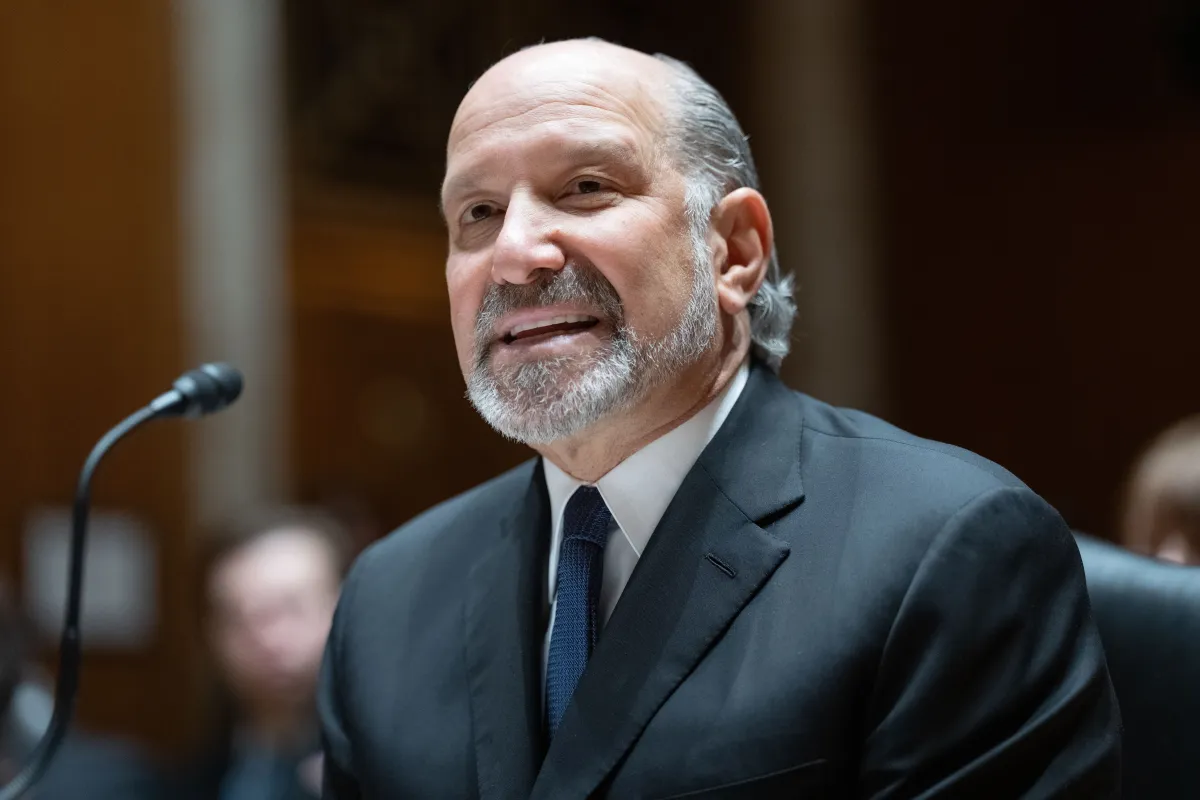
Lutnick's sons ran Cantor Fitzgerald as it explored buying tariff refund rights while he shaped tariff policy
A Cantor salesman claimed the firm put through a $10 million tariff-refund trade, Senators Wyden and Warren launched a formal probe
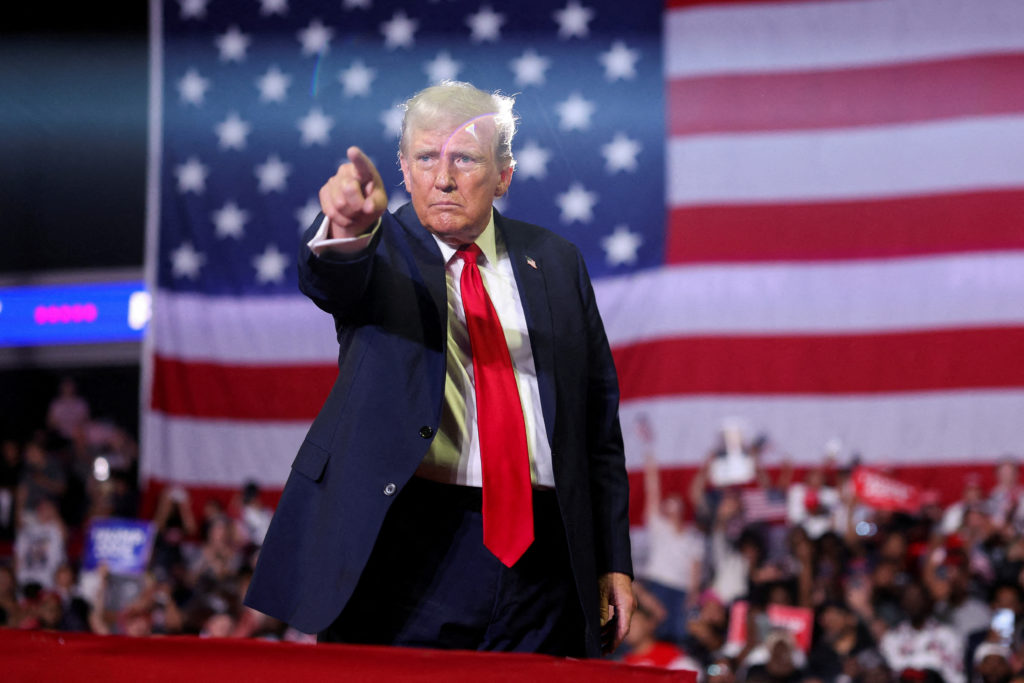
Former President Trump appeals hush money conviction on multiple legal tracks
Trump is simultaneously appealing his 34 felony convictions in New York state court while trying to move the case to federal court, where he could invoke presidential immunity to wipe out the conviction entirely

DOJ drops then reverses its fight against law firms that beat Trump in court
Four courts found the orders unconstitutional. Then DOJ dropped them. Then it did not
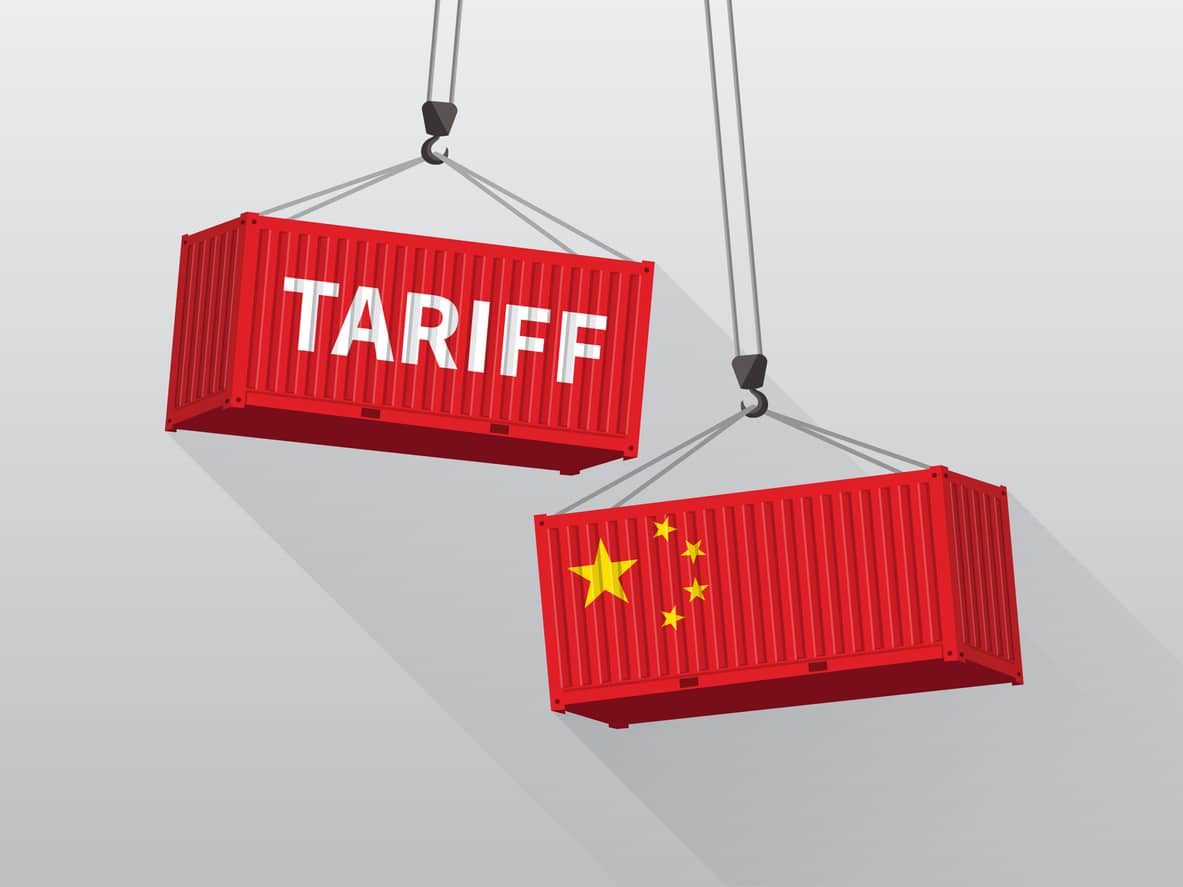
Trump imposes 25 percent tariff on Iran trading partners creating global trade uncertainty
Vague tariff order creates uncertainty for China, India, Turkey trade
43 questions
Start the review