Trade · Public Policy · Economy·February 25, 2026
Trump ends duty-free treatment for all small packages shipped to the U.S
A 10% tariff now applies to every package under $800 from any country until July 2026

Photo: Picture Alliance/dpa/via Getty
Trump signed the de minimis suspension extension on Feb. 20, 2026, and the Federal Register published it on Feb. 25. The order ensures packages valued under $800 arriving via the international postal network are subject to the 10% Section 122 import surcharge that took effect Feb. 24, 2026.
The , codified in 19 U.S.C. § 1321, had allowed low-value shipments to enter the U.S. without customs processing or duties. Congress raised the threshold to $800 in 2016 as e-commerce grew. Chinese platforms like Temu and Shein built entire business models around it, shipping individual packages to U.S. consumers without tariffs.
Trump first suspended the de minimis exemption in July 2025 using IEEPA authority. After the Supreme Court struck down all IEEPA-based tariffs on Feb. 20, 2026, the administration immediately issued a new order under Section 122 to preserve the de minimis suspension without relying on the invalidated IEEPA authority.
Section 122 of the Trade Act of 1974 allows the president to impose a temporary import surcharge for up to 150 days to address a . The surcharge expires July 24, 2026 unless Congress extends it, giving Congress more leverage over trade policy than it had under IEEPA.
Carriers delivering international postal shipments must now collect and remit duties to U.S. Customs and Border Protection. The shift significantly increases customs processing burdens for postal carriers and may slow delivery times for packages from overseas retailers.
The policy particularly affects American consumers who buy from Chinese e-commerce platforms. Temu and Shein became U.S. household names by exploiting de minimis to offer prices domestic retailers couldn't match. U.S. domestic retailers, who have lobbied for years to close the loophole, stand to benefit from the change.
The conservative-leaning Tax Foundation estimated Trump's various tariffs added $1,000 in tax expenses for the average U.S. household in 2025. Unlike the IEEPA tariffs, the Section 122 surcharge has a hard 150-day expiration unless Congress acts, creating a built-in deadline that gives the legislative branch more leverage over trade policy.
Related Topics
6
Trump's 15% Section 122 global tariff takes effect after IEEPA defeat
$130B in refunds unresolved, Congress has 150 days to override
CBP can't refund $166B in illegal tariffs after SCOTUS ruling
$23M in daily interest mounts as 330,000 businesses wait for tariff refunds
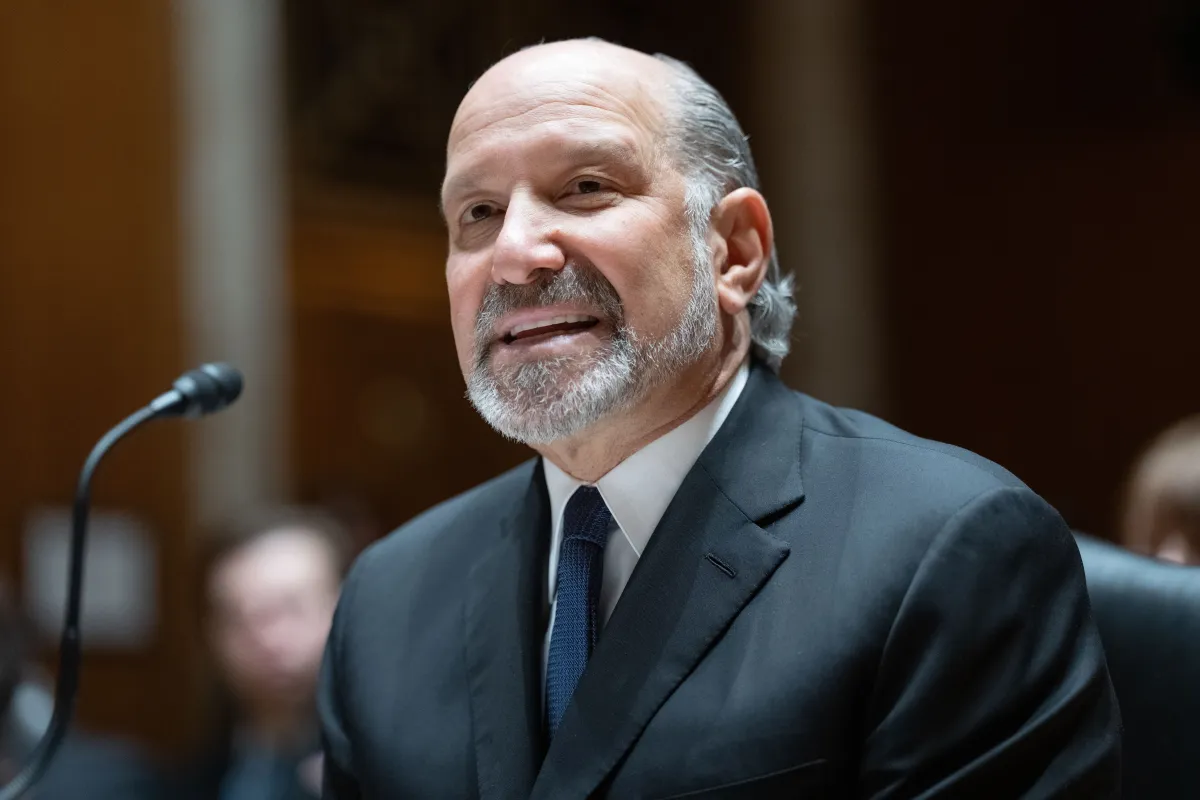
Lutnick's sons ran Cantor Fitzgerald as it explored buying tariff refund rights while he shaped tariff policy
A Cantor salesman claimed the firm put through a $10 million tariff-refund trade, Senators Wyden and Warren launched a formal probe

Iran war sends gas prices to biggest single-day spike since Hurricane Katrina
Futures markets priced in war within hours before a single tanker was actually stopped

Trump grants 30-day Russia oil sanctions waiver as Iran war spikes energy prices
Iran war created the oil crisis that Trump is now solving by funding Putin
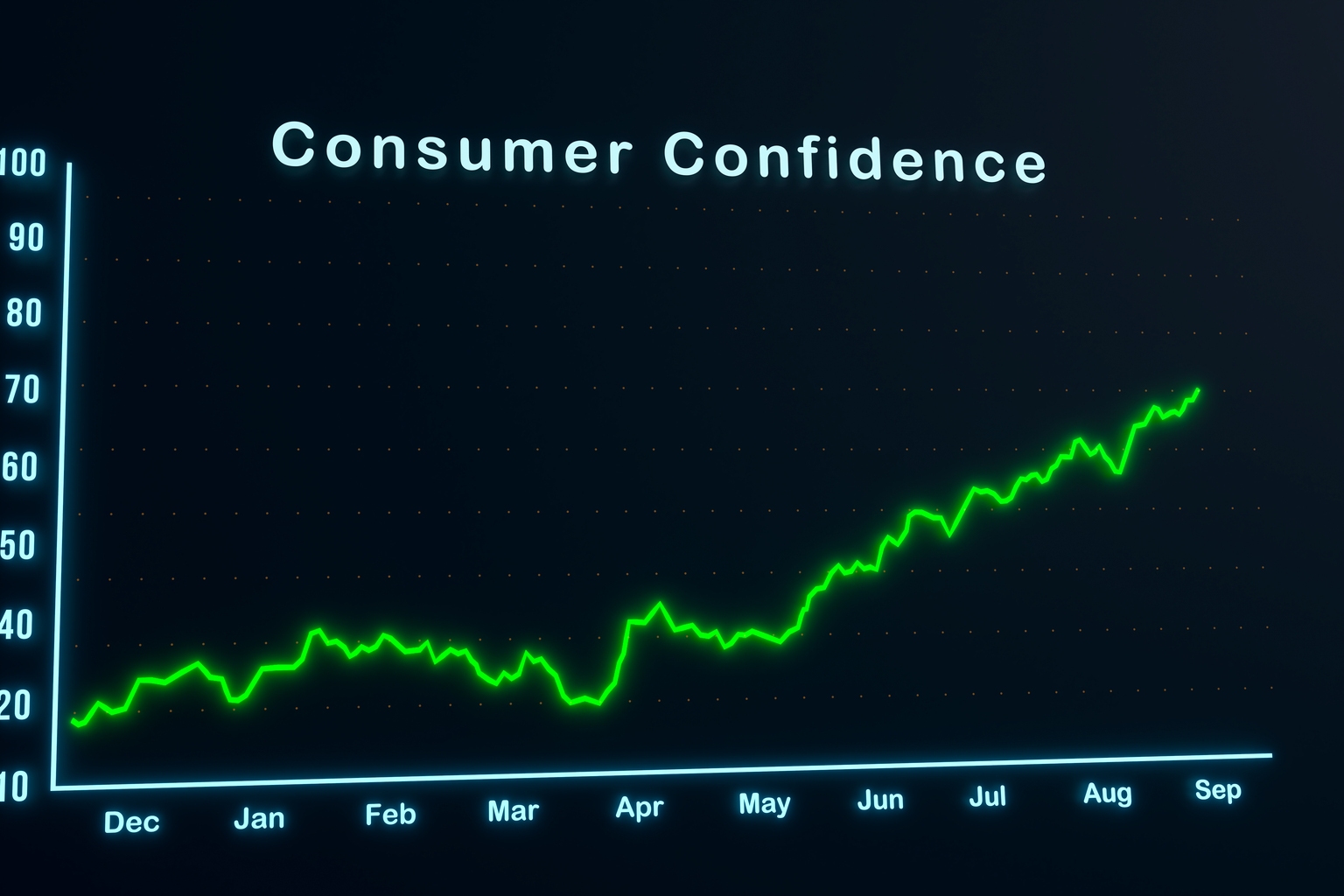
Consumer confidence rises but expectations below 80 for 13 months signals recession risk
Expectations Index below 80 for 13 straight months — the longest streak since early 2008
28 questions
Start the review