National Security · Constitutional Law · Legislative Process·February 28, 2026
Only eight lawmakers knew about Iran strikes while Congress received no legal briefing
Rubio briefed party leaders but gave no legal justification before bombs fell

Trump launched Operation Epic Fury at 2:30 a.m. ET on Feb. 28, 2026, without a formal congressional vote. Article I of the Constitution gives Congress, not the president, the power to declare war. The last formal congressional declaration of war was in 1942.
The is the shorthand for eight senior congressional leaders: the House Speaker, minority leader, Senate majority leader, minority leader, and the chairs and ranking members of the House and Senate Intelligence Committees. They are the only members regularly briefed on covert operations and sensitive national security matters.
Secretary of State Marco Rubio delivered a one-hour classified briefing to Gang of Eight members on Feb. 25, 2026 — three days before the strikes. Multiple sources familiar with the meeting told CNN that those leaders were not given the legal justification for the military action.
Sen. Mark Warner of Virginia, the ranking Democrat on the Senate Intelligence Committee and a Gang of Eight member, learned about the strikes from Rubio the night before they began. Warner said in a statement that Trump should have demanded the highest level of scrutiny, deliberation and accountability before putting American lives at risk.
Rep. Stephen Lynch of Massachusetts, a senior Democrat on the House Oversight military subcommittee, told GBH News he received radio silence from the administration until 3 a.m. Lynch said he was not briefed despite typically receiving advance notice of significant military actions.
Senate Minority Leader Chuck Schumer wrote in a statement that the administration had not provided Congress and the American people with critical details about the scope and immediacy of the threat. He called for an immediate all-senators classified briefing and public testimony from administration officials.
Rep. Thomas Massie and Sen. Rand Paul, both Kentucky Republicans, said the strikes were unconstitutional. Massie called them acts of war unauthorized by Congress and announced he would work with Rep. Ro Khanna to force a House vote on a resolution. The House was scheduled to vote the following week.
Rep. Warren Davidson, a Republican and former Army Ranger from Ohio, said he had asked for a classified briefing defining the mission in Iran. Davidson said that in the absence of new information, he would support the War Powers resolution — becoming only the second Republican in the House to do so.
The War Powers Resolution of 1973 requires the president to notify Congress within 48 hours of committing US forces to hostilities and limits any unauthorized military engagement to 60 days. Presidents of both parties have argued the law is an unconstitutional infringement on the commander-in-chief authority.
Related Topics
6
Congress scrambles to vote on war powers after Iran strikes begin
Bipartisan resolution demands Trump get Congress approval for Iran war

Pentagon told Congress Iran attack was not imminent as Trump claimed threat
Trump said "imminent threat." His own intelligence said 2035, at the earliest
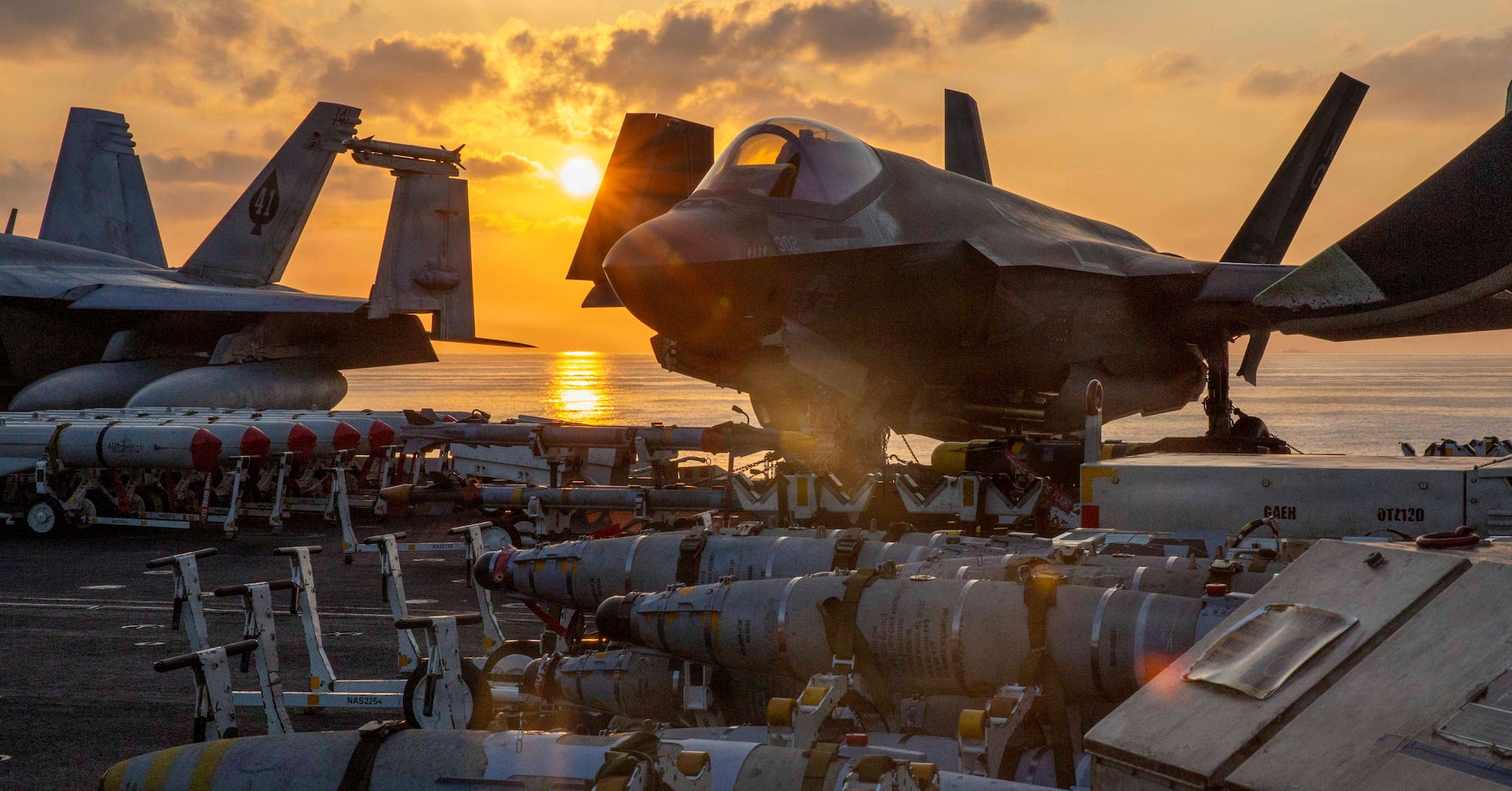
House rejects Iran war powers 219-212 as four Democrats side with Trump, cementing unilateral presidential war authority
Four Democrats crossed the aisle to help kill the measure, Congress has not declared war since 1942

US and Israel launch Operation Epic Fury seeking regime change in Iran
Over 30 Iranian sites hit, 57 killed at girls school in southern Iran
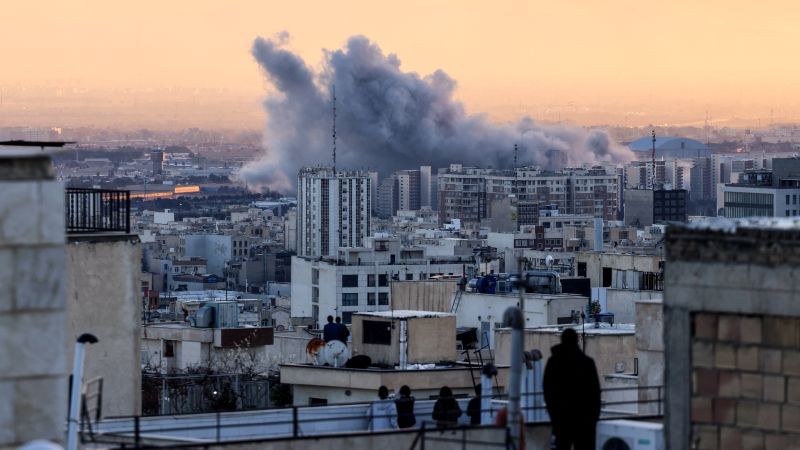
Trump starts Iran war without Congress triggering constitutional crisis
No vote, no declaration — Trump says American heroes may die in this war
US deploys F-22 fighters to Israel for first time amid escalating Iran tensions
Largest U.S. military buildup in the Middle East since the 2003 Iraq invasion
25 questions
Start the review