National Security · Constitutional Law · Foreign Policy·February 28, 2026
US and Israel launch Operation Epic Fury seeking regime change in Iran
Over 30 Iranian sites hit, 57 killed at girls school in southern Iran

Photo: US NAVY/AFP Via Getty Images
The joint operation began before dawn on Feb. 28, 2026. Israel's fighter jets struck dozens of Iranian military targets in what Israeli officials called a pre-emptive strike. U.S. forces attacked by air and sea simultaneously, making it the most significant American military operation in the Middle East since the 2003 Iraq invasion in terms of scale and naval presence.
Trump announced the strikes in an eight-minute video posted on Truth Social. He told Iranians to take over their government, saying it would be their 'only chance for generations.' Israeli Prime Minister Benjamin Netanyahu echoed that framing, saying the operation would create conditions for Iranians to 'take their fate into their own hands.' Both leaders explicitly named regime change as a goal.
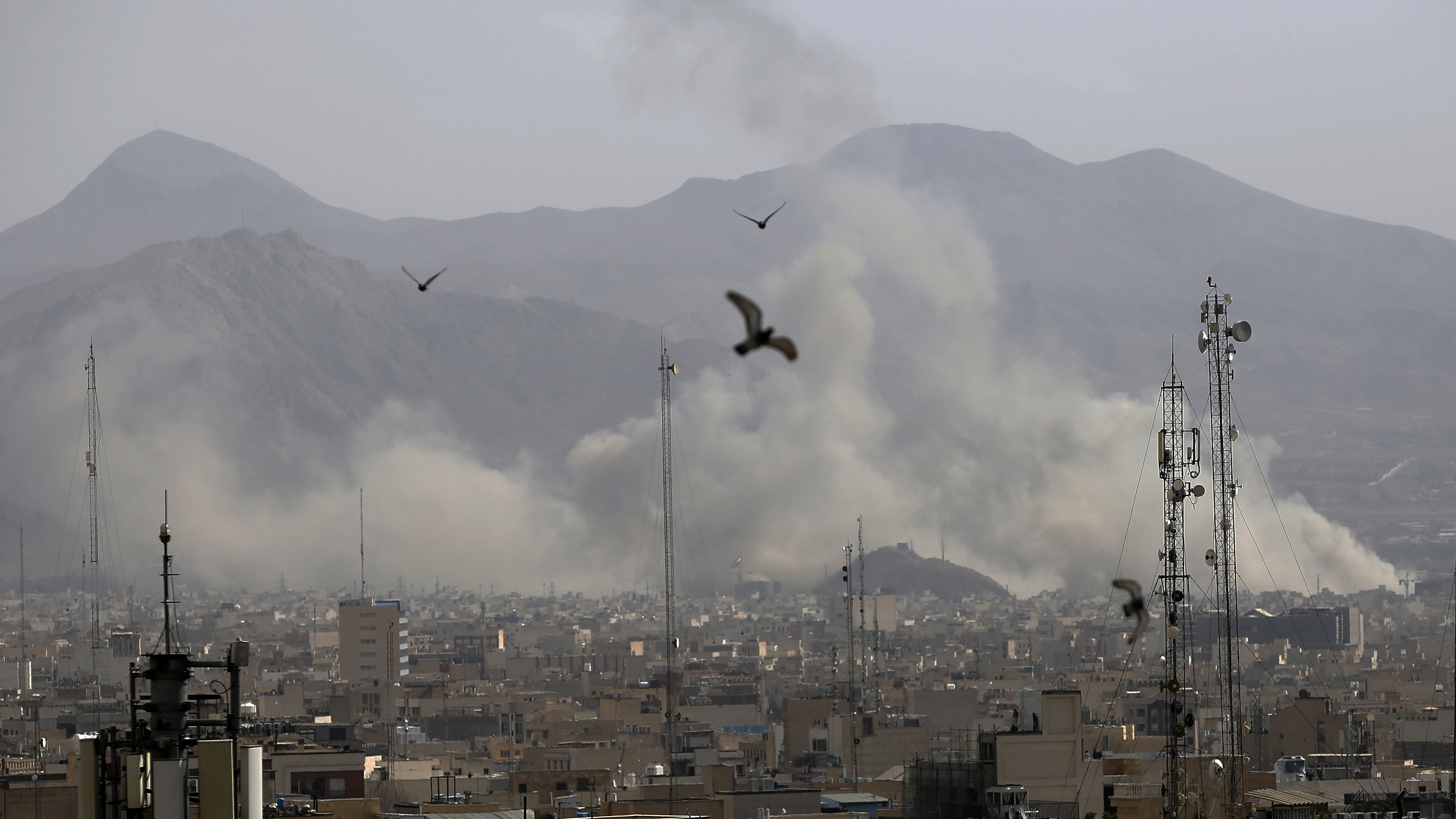
Over 30 locations across Iran were struck simultaneously. Targets included sites near Iranian Supreme Leader Ayatollah Ali Khamenei's compound in Tehran, the Islamic Revolutionary Guard Corps headquarters, missile factories, and military installations in Isfahan, Qom, Karaj, Tabriz, and Kermanshah. Khamenei was not in Tehran; he had been moved to a secure location ahead of the strikes.
Iranian defense minister Aziz Nasirzadeh and IRGC commander Mohammad Pakpour were both reported likely killed in the strikes, according to Israeli military and regional sources cited by Reuters. Their deaths would represent the highest-ranking Iranian military losses since the U.S. killing of Qassem Soleimani in 2020.
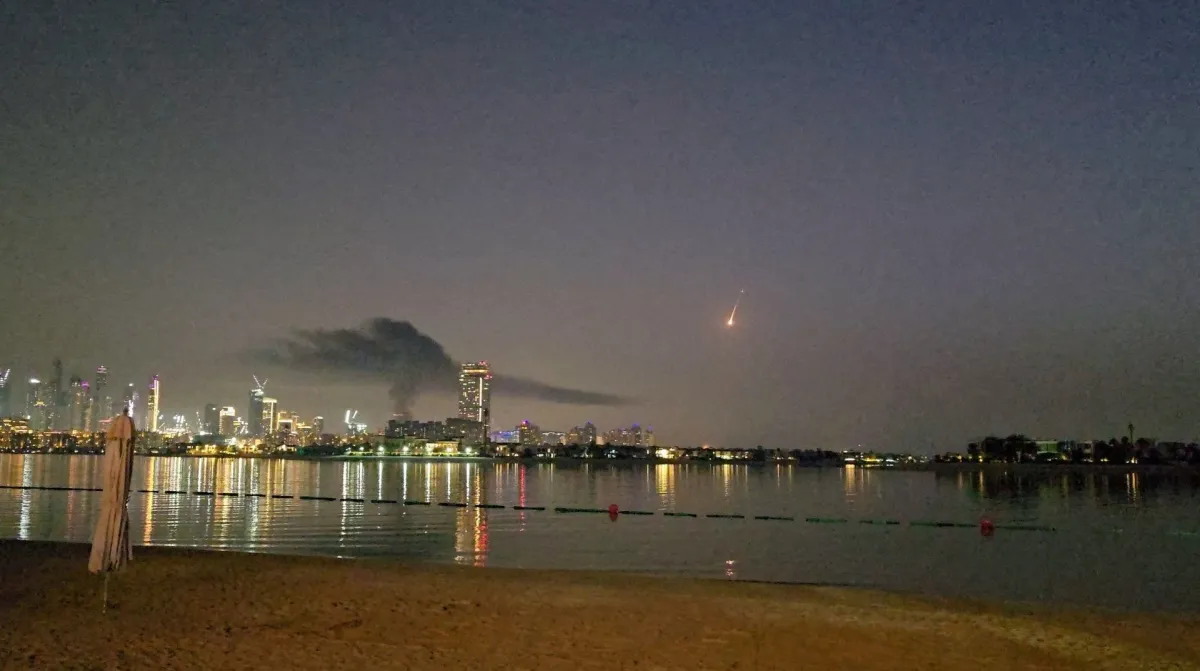
Iran retaliated within hours. The IRGC announced a 'first wave' of ballistic missiles and drones targeting northern Israel and U.S. military bases in Bahrain, Kuwait, and Qatar. The U.S. Navy's 5th Fleet headquarters in Bahrain and Al Udeid Air Base in Qatar were targeted. Qatar's military said it successfully intercepted multiple attacks; one person was killed in Abu Dhabi after Iranian missiles were shot down over the UAE.
An Israeli strike hit an elementary school for girls in Minab, a city in southern Iran's Hormozgan province, killing at least 57 people and wounding dozens more, according to Iran's state-run IRNA news agency. Iran's foreign ministry said strikes hit civilian infrastructure across multiple cities in addition to military and defense sites.
The strikes came one day after Oman's foreign minister, Badr Al-Busaidi, publicly declared that Iran had agreed to reduce enriched uranium to 'the lowest level possible' and allow full IAEA verification — a diplomatic breakthrough he called peace 'within reach.' Trump rejected continued negotiations, saying talks had failed.
This is the second US-Israel military campaign against Iran in eight months. The first, in June 2025, lasted 12 days and ended in a US-brokered ceasefire. Intelligence assessments after that war concluded the strikes set Iran's nuclear program back months to a few years, not permanently — Iran moved quickly to rebuild. The new strikes again targeted nuclear facilities and missile capabilities.
Congress was notified of the strikes as required by law, but not given advance opportunity to vote. Secretary of State Marco Rubio reached out to members of the 'Gang of 8' — the eight senior lawmakers briefed on classified intelligence — before operations began. The notifications referenced ballistic missiles but did not detail the full scope. Democrats and some Republicans immediately called for a vote.
Airlines including Lufthansa, Virgin Atlantic, Air India, IndiGo, and Wizz Air suspended flights to the Middle East. Iraq, Kuwait, Bahrain, Qatar, and the UAE closed their airspaces. The UK Royal Navy reported 'significant' military activity in the Strait of Hormuz, the narrow waterway through which 20 percent of the world's daily oil supply travels.
Related Topics
6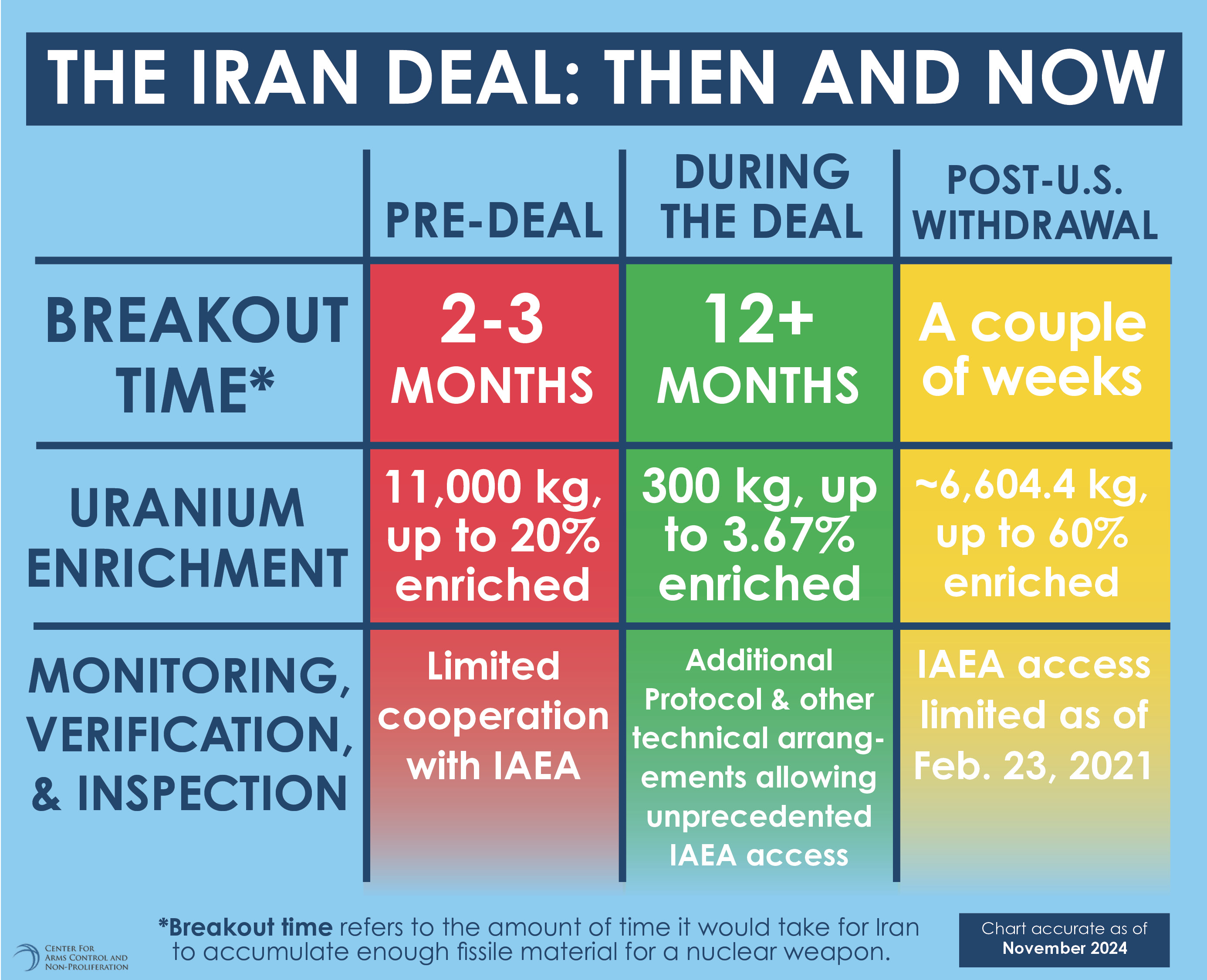
US deploys F-22 fighters to Israel for first time amid escalating Iran tensions
Largest U.S. military buildup in the Middle East since the 2003 Iraq invasion

US and Iran resume nuclear talks as two carrier strike groups mass in Persian Gulf
US deploys F-22s to Israel for first time, two carrier groups now in region
Trump gives four different reasons for the Iran war in four days
No national address, six dead Americans, and no agreed reason why
Congress scrambles to vote on war powers after Iran strikes begin
Bipartisan resolution demands Trump get Congress approval for Iran war
Gulf states targeted by Iran retaliation despite refusing US base access for strikes
Gulf states blocked US base access while MBS secretly lobbied Trump to strike Iran
Only eight lawmakers knew about Iran strikes while Congress received no legal briefing
Rubio briefed party leaders but gave no legal justification before bombs fell
24 questions
Start the review