National Security · Public Policy · Constitutional Law · Foreign Policy·April 13, 2026
US and Iran deadlock on nuclear enrichment terms as April 21 deadline looms
Iran has enough 60%-enriched uranium for 9 weapons. Talks broke down April 12

Steve Witkoff led the U.S. negotiating team at talks in Islamabad on April 12, 2026. The session ran 21 hours. Abbas Araghchi led Iran's delegation. Witkoff demanded Iran freeze for 20 years and physically remove its highly enriched uranium stockpile from Iranian territory. Araghchi rejected both demands.
Araghchi said Iran's enrichment program is a sovereign right under the and that a 20-year freeze conflicts with Iran's long-term energy plans. Iran countered with a 3-to-5-year enrichment freeze plus a monitored program to down-blend, not remove, the existing 60%-enriched uranium to civilian reactor grade. The gap between 20 years and three to five years reflects a deeper question: should Iran ever retain an independent nuclear capacity? Al Jazeera
Iran holds roughly 440 kilograms of uranium enriched to 60% purity, per IAEA monitoring. That exceeds reactor-grade fuel (3-5%) and far exceeds the 20% threshold that defines highly enriched uranium under international standards. Converting 60%-enriched material to weapons-grade 90% requires relatively few additional centrifuge steps and can be completed in under two weeks at Iran's current centrifuge speeds.
With 440 kilograms of 60%-enriched uranium, Iran has enough feedstock to produce approximately nine nuclear devices if it enriches further to weapons grade. The IAEA has stated Iran's enrichment trajectory has no plausible civilian energy justification. Civilian power plants need 3-5% enrichment. 60% has no recognized civilian reactor purpose. Arms Control Association Arms Control Center
The current negotiations operate within a temporary framework expiring April 21, 2026. If that deadline passes without a deal or extension, Iran faces no formal constraint on expanding enrichment, and the U.S. loses diplomatic cover for delaying military options. The April 21 date was set as pressure to force both sides toward a framework agreement.
The 2015 JCPOA capped Iran's enrichment at 3.67%. Reaching that agreement required years of sanctions pressure, diplomatic work by six countries, and Obama administration concessions. Trump withdrew from the JCPOA in May 2018. Iran then progressively exceeded every enrichment limit in the deal, surpassing 20% by 2021 and reaching 60%. That gap represents years of lost ground any new deal must reverse. PBS NewsHour
The JCPOA was an executive agreement, not a Senate-ratified treaty. It carried the authority of a presidential commitment but not the binding force of U.S. law. The Iran Nuclear Agreement Review Act of 2015 gave Congress 60 days to review and vote disapproval, but Congress didn't act. Trump withdrew with a single decision, no Senate vote, no legislation.
Any new Iran agreement will likely be another executive agreement. A future president can undo it on day one without congressional approval, the same way Trump ended the JCPOA in 2018. Iran's negotiators know this. Their demand for three to five years instead of 20 may reflect skepticism that any U.S. commitment survives the next presidential election. Al Jazeera
Vice President JD Vance took the public lead on the U.S. position before Islamabad, saying the administration wants to ensure Iran never develops a nuclear weapon and that the 20-year horizon reflects decades of mistrust. Vance's role signals Iran policy is now a top-tier executive priority, not routine State Department work.
Rafael Grossi, director general of the International Atomic Energy Agency, has repeatedly warned that Iran's enrichment levels have no credible civilian justification. Grossi also flagged that the IAEA's monitoring ability declined after Iran restricted inspector access starting in 2021. Without robust inspections, verifying any new deal becomes harder. The inspections issue, not just enrichment numbers, is a central technical obstacle. PBS NewsHour
Iran's current enrichment sits far above what civilian nuclear power demands but below weapons grade. The U.S. argues that 60% enrichment is a weapons-development threshold with no energy justification and that Iran should never be allowed to retain the technical capacity to enrich beyond 3.67% purity, the JCPOA limit. Iran argues that enrichment capacity is a sovereign right under the Nuclear Non-Proliferation Treaty and that permanent limits amount to blocking Iran from developing civilian nuclear energy.
This disagreement isn't about the numbers alone. It's about whether Iran should ever control its own enrichment infrastructure. The U.S. wants Iran to abandon that capacity entirely. Iran wants to retain it but freeze production at current levels. That structural difference explains why 20 years versus 5 years matters. 20 years is long enough for most infrastructure to degrade and workers to retire. Five years leaves Iran's enrichment capacity intact and ready to restart. Arms Control Association
The IAEA estimates that converting Iran's current 60%-enriched stockpile to weapons-grade 90% enrichment requires roughly two weeks of additional centrifuge processing at current operational speed. This breakout timeline has narrowed dramatically since the JCPOA took effect. Under the JCPOA, Iran maintained lower enrichment levels and fewer active centrifuges, stretching the weapons breakout timeline to roughly 12 months. Trump's withdrawal and subsequent sanctions have allowed Iran to expand centrifuge count and enrichment levels, compressing the timeline to weeks.
Breakout timeline matters because it determines how much warning the international community gets before Iran could theoretically arm a nuclear device. A 12-month timeline provided time for diplomacy, military planning, or international response. A two-week timeline leaves almost no window for anything except immediate military action. Arms Control Center
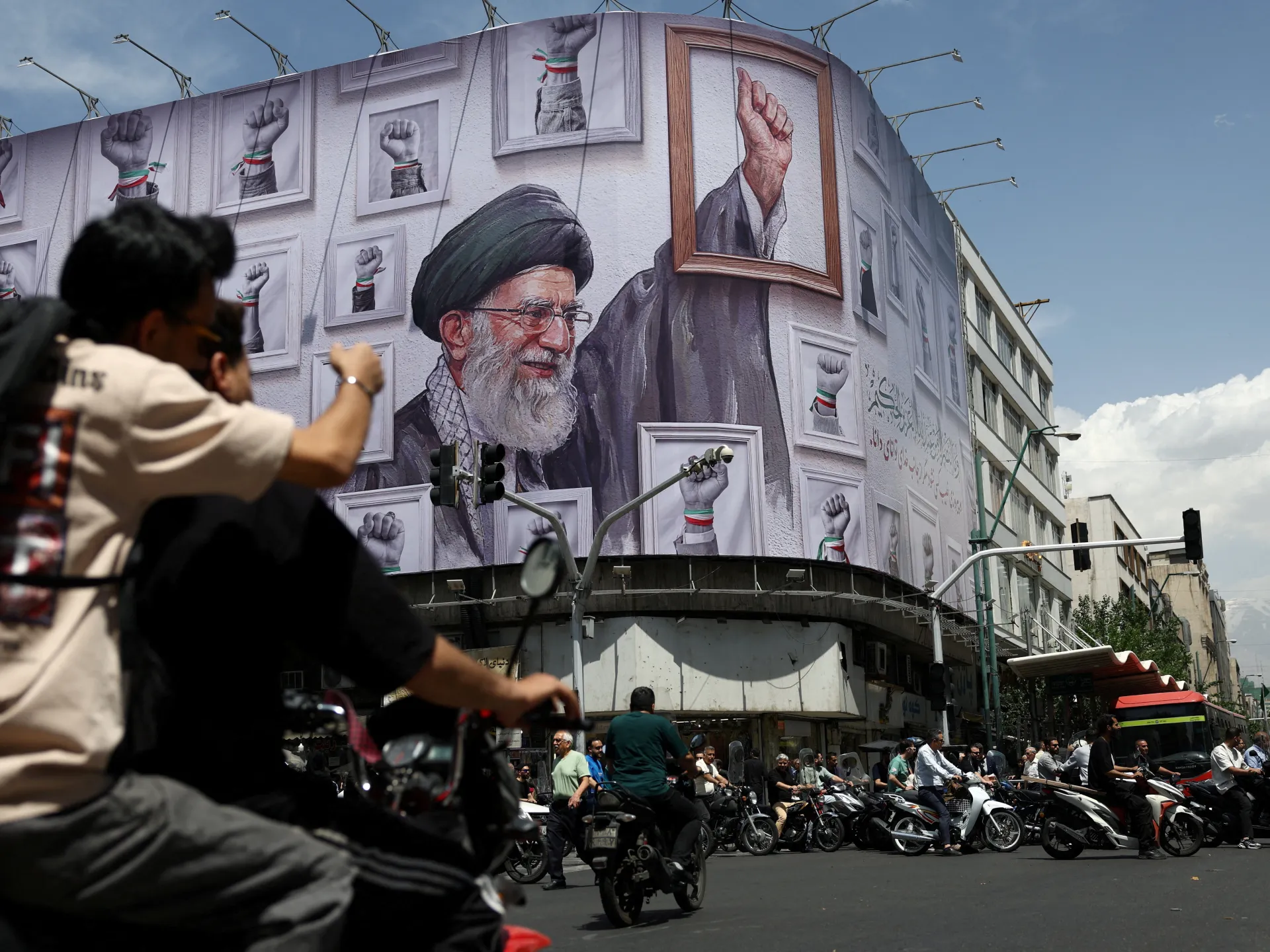
Ali Khamenei, Iran's Supreme Leader, holds ultimate authority over Iran's nuclear decisions and has described the enrichment program as a national achievement and sovereignty question. Araghchi's negotiating position in Islamabad almost certainly reflected Khamenei's redlines on enrichment duration and stockpile removal. Any Iranian official who agrees to permanent limits or permanent removal faces domestic political risk from hardliners who oppose what they'd frame as capitulation.
On the U.S. side, Trump withdrew from the JCPOA citing concerns about sunset clauses and Iran's missile program. The current negotiations reflect Trump's maximum pressure strategy, which assumes Iran will negotiate a tougher deal under sanctions. But Iran's expansion of enrichment since 2018 suggests Tehran interprets maximum pressure as an opportunity to build leverage, not a reason to back down. The Moscow Times
Related Topics
4
US weighs special forces raid to seize Iran's uranium
A uranium stockpile big enough for 11 nuclear bombs is missing underground
Trump issues Iran ultimatum as ceasefire nears collapse
Iran rejects Trump's nuclear demands; ceasefire collapses toward new strikes
Iran-US ceasefire expires April 22 after Islamabad talks collapse
US-Iran war talks failed after 21 hours and the ceasefire expires in days
Israel and US strike Iran nuclear sites for first time in war
First strikes on Iran nuclear development sites risk radiological accident
25 questions
Start the review