Public HealthJudicial ReviewConstitutional Law
May 12, 2026SCOTUS extends emergency stay blocking mifepristone telemedicine ban
Federal courts decide who can prescribe the abortion pill and how
Photo: Carol M. Highsmith / Library of Congress
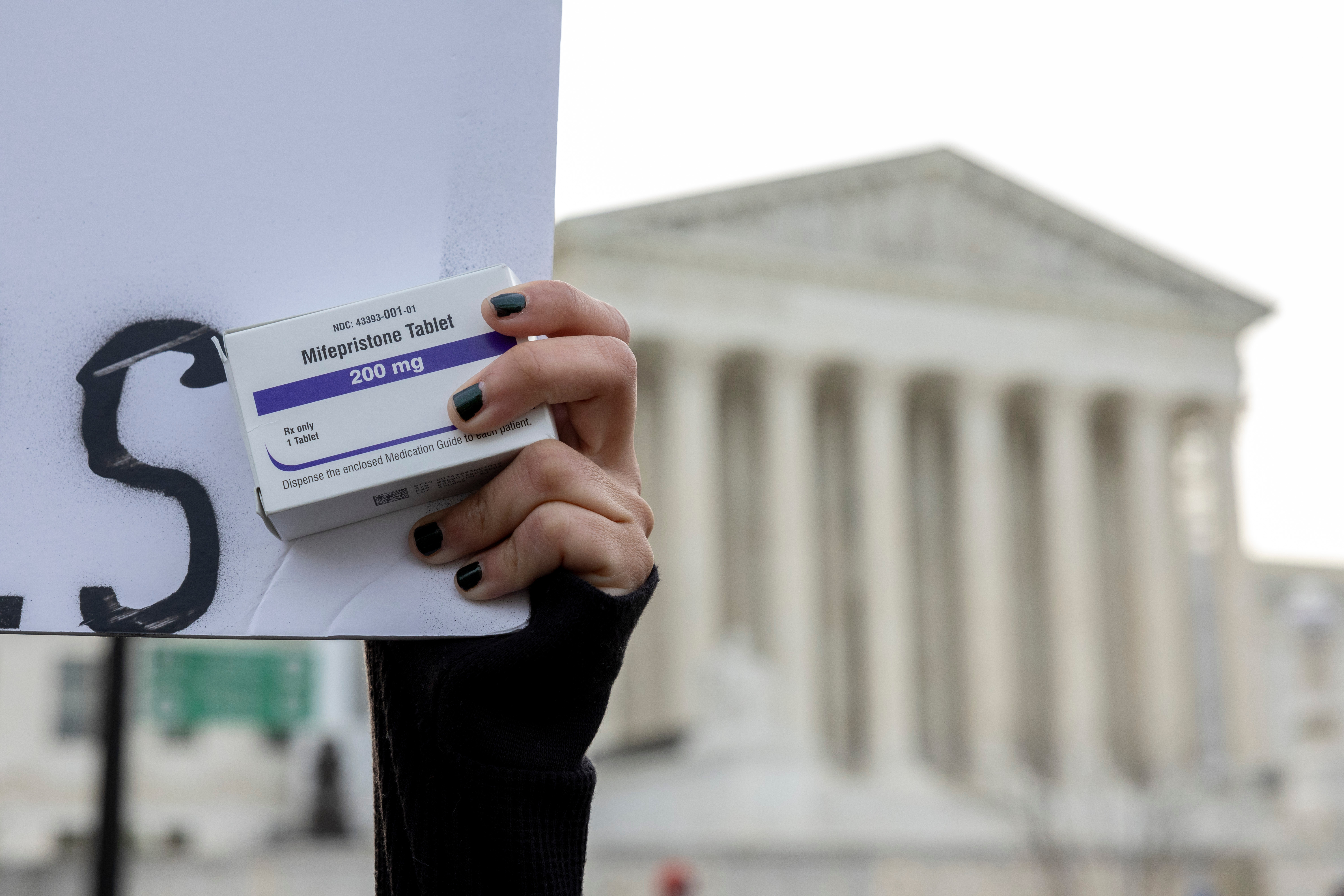
The Supreme Court extended a temporary stay on May 12, 2026, blocking a lower court ruling that would have reinstated in-person dispensing requirements for mifepristone, extending a protective legal stay while the appeal progresses. Justice Samuel Alito, acting as for the 5th Circuit, issued the one-week extension through May 14 at 5 p.m. ET.
The legal fight began in October 2025 when Louisiana Attorney General Liz Murrill sued the FDA, arguing the agency's 2023 decision to allow telehealth prescriptions and mail-order delivery was arbitrary and capricious under the , resulting in a 5th Circuit order that would have overwritten state-level protections for telehealth access in every state.
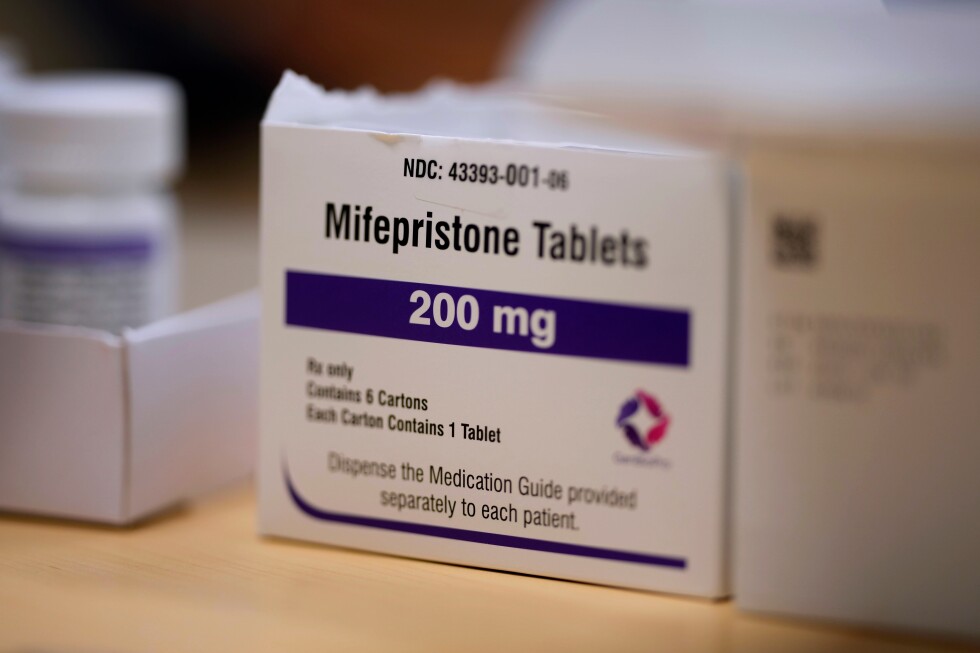
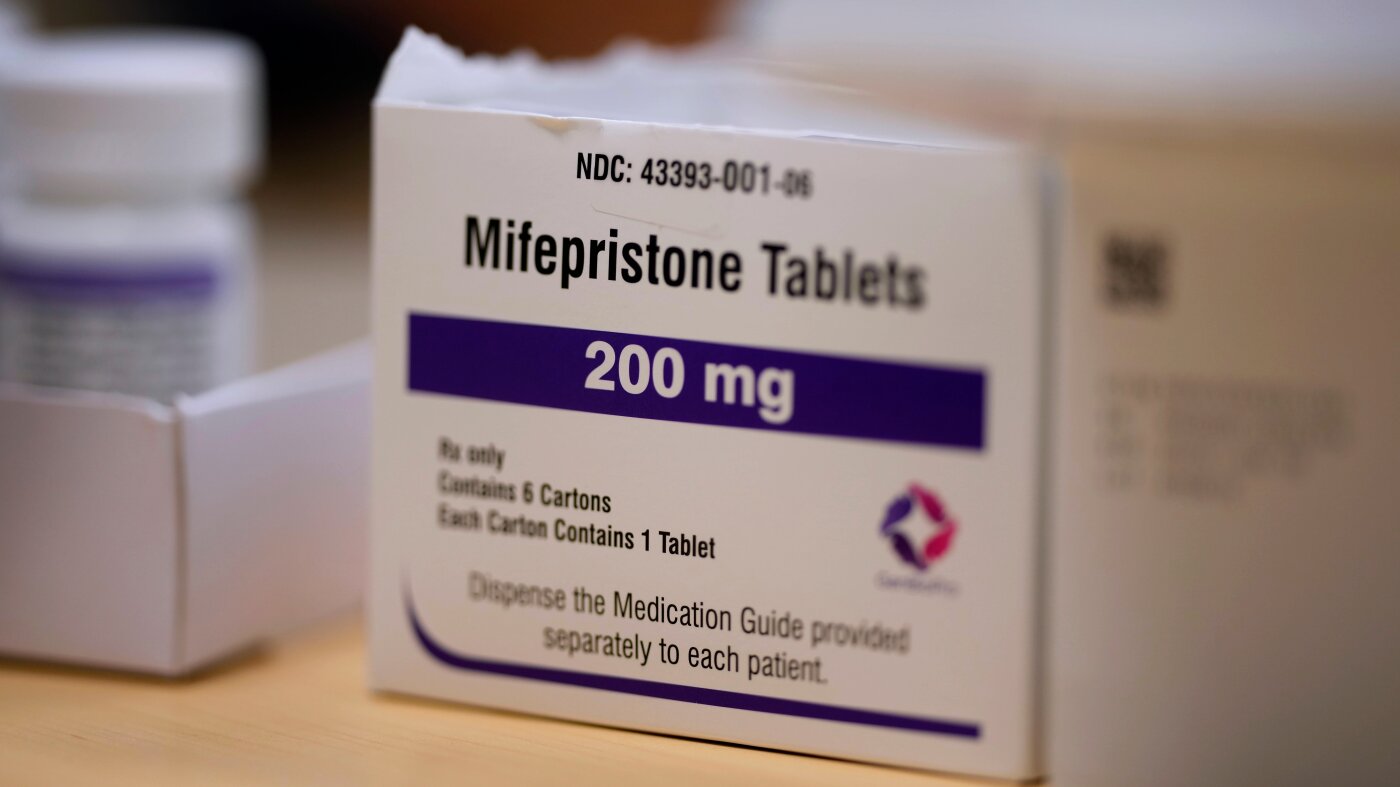
If the 5th Circuit's order takes effect, every patient in the United States would have to visit a certified clinic or hospital in person to obtain mifepristone. Drug manufacturers Danco Laboratories and GenBioPro warned the Supreme Court that such a sudden disruption would destabilize the federal regulatory framework for mail-order medications and jeopardize patient health.
accounts for roughly 63% of all U.S. abortions, according to research on medication abortion provision following the 2022 Supreme Court ruling. The Society of Family Planning found that in the first half of 2025, more than 162,000 patients received mifepristone via telehealth, representing 27% of all clinician-provided abortions.
More than 30 amicus briefs were filed in the case, including one signed by former FDA commissioners from both Republican and Democratic administrations, warning that judicial substitution of clinical judgment threatens oncology and vaccine pipelines by exposing every drug approval to de novo review.
Disability rights organizations and abortion funds documented that an in-person requirement would fall disproportionately on low-income patients and those with disabilities, documenting that losing mail-order access eliminates the ability to obtain care entirely for those facing economic or physical barriers.
HHS Secretary Robert F. Kennedy Jr. commissioned a separate mifepristone safety review in September 2025, following a conservative think tank's assertions regarding the drug's safety record despite extensive peer-reviewed data showing serious complication rates below one-half percent.
The Supreme Court rejected a 2024 challenge to mifepristone because the plaintiffs, a group of physicians, could not demonstrate standing, with this case forcing the Court to confront whether the state's claims of direct Medicaid cost injury satisfied the constitutional standing threshold where previous challenges had failed.
Related Topics
4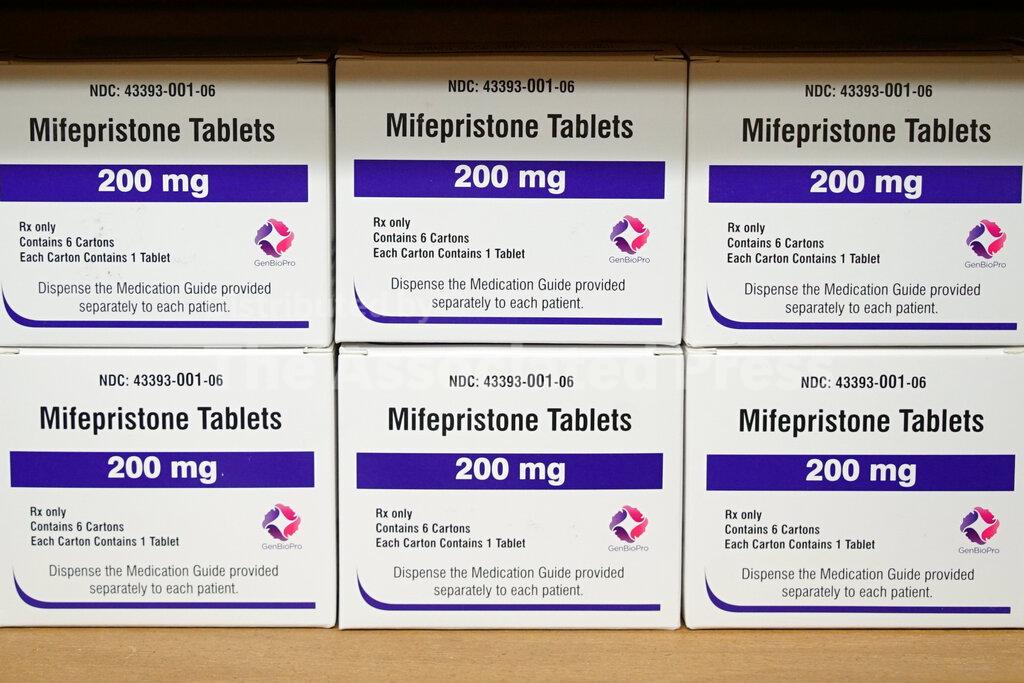
Supreme Court keeps abortion pill available by mail in 7-2 vote
Full court blocks 5th Circuit ban on mailing the abortion pill
Federal judge gave FDA six months to respond before blocking mail-order mifepristone in Louisiana
Judge Joseph signaled that Louisiana will win its challenge to mail-order abortion pill access
Fifth Circuit blocks mail and telehealth access to abortion pill nationwide
Unanimous panel blocks access in all 50 states, including 27 where abortion is legal
Red states advance 200+ medication abortion restriction bills
29 states targeting mifepristone through lawsuits, criminal charges, and controlled substance bans
25 questions
Start the review