Public Health · Judicial Review · Constitutional Law · Civil Rights·April 8, 2026
Federal judge gave FDA six months to respond before blocking mail-order mifepristone in Louisiana
Judge Joseph signaled that Louisiana will win its challenge to mail-order abortion pill access

Photo: (AP Photo/Charlie Neibergall, File)source ↗
Trump-appointed Judge David Joseph of the Western District of Louisiana issued a 37-page ruling on April 7-8, 2026, in Louisiana v. FDA. He paused the case but concluded that Louisiana is "likely to succeed" in proving the FDA's 2023 changes to mifepristone dispensing rules were unlawful. The 2023 changes removed the in-person dispensing requirement and allowed certified pharmacies to mail the abortion drug. Joseph gave the FDA six months to complete a safety review and warned that if the agency fails, "the Court's analysis will inevitably change." Louisiana AG Liz Murrill filed the lawsuit after the Supreme Court unanimously dismissed a similar challenge in 2024 for lack of standing. Murrill used 📖state sovereign standing instead, and Joseph ruled that approach gives Louisiana a valid path into court. Twenty-one Republican attorneys general filed amicus briefs supporting Louisiana. Murrill announced she'll appeal to the 5th Circuit to block the 2023 rule while the FDA review proceeds. One-quarter of all abortions in the US now involve telehealth prescribing, a fivefold increase since the 2023 REMS changes.
Key facts
Judge David Joseph issued a on April 7-8, 2026, in State of Louisiana v. Food and Drug Administration. Joseph was on November 20, 2019, and by the Senate on July 28, 2020. All 53 Republican senators voted yes. Only two Democrats, Doug Jones of Alabama and Joe Manchin of West Virginia, crossed party lines.
Joseph made a critical procedural split. He found that Louisiana has legal standing to sue, concluded the state is "likely to succeed" on the merits, but declined to block the 2023 FDA rules immediately. Instead, he stayed the case for six months while the FDA completes a safety review. He warned that if the FDA fails to finish its review, "the Court's analysis will inevitably change," signaling he'll likely rule for Louisiana after the deadline.
The case targets the FDA's to mifepristone's dispensing rules. Those changes removed the requirement that patients pick up the drug in person from a clinic and allowed certified retail and mail-order pharmacies to dispense it. Prescribers still needed to be certified, and patients still signed agreement forms.
The practical effect was enormous. By the end of 2024, were accessed via telehealth, a fivefold increase in two years. In states with abortion bans, women were more likely to obtain pills via telehealth than by traveling out of state. Eight states now have laws protecting providers who prescribe abortion pills by telehealth and mail them into states where abortion is banned.
Louisiana AG Liz Murrill filed the lawsuit using a legal strategy designed to avoid the standing problem that killed a similar case in 2024. In , the Supreme Court unanimously dismissed a challenge to mifepristone's approval because the plaintiffs, a group of pro-life doctors, couldn't show they were personally harmed. The doctors had "legal, moral, ideological, and policy objections" but hadn't prescribed or used the drug.
Murrill used 📖state sovereign standing instead. Louisiana argued it suffered direct financial harm because the mail-order rules interfere with the state's ability to enforce its and cost the state money through Medicaid-covered emergency care for abortion complications. Joseph agreed this gives Louisiana a valid path into court.
Twenty-one Republican attorneys general from Nebraska, Alabama, Alaska, Arkansas, Georgia, Idaho, Indiana, Iowa, Kansas, Mississippi, Missouri, Montana, North Dakota, Ohio, Oklahoma, South Carolina, South Dakota, Texas, Utah, West Virginia, and Wyoming filed . Sixty members of Congress also filed briefs, including Senator 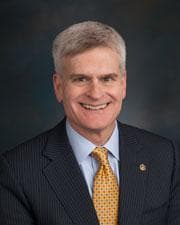 Bill Cassidy of Louisiana. The Family Research Council, Advancing American Freedom, Concerned Women for America, and Students for Life of America filed supporting briefs.
On the other side, filed amicus briefs defending the 2023 REMS changes. The American College of Obstetricians and Gynecologists, 100+ organizations supporting abortion access, and the National Domestic Violence Hotline also filed opposing briefs. Drug manufacturers Danco Laboratories and GenBioPro, which make branded and generic mifepristone, intervened as defendants.
Murrill announced immediately after the ruling that Louisiana will appeal to the 5th Circuit Court of Appeals to block the 2023 rule while the FDA review proceeds. The 5th Circuit, which covers Texas, Louisiana, and Mississippi, is federal appeals courts. In recent Supreme Court terms, the justices reversed the 5th Circuit more often than any other circuit.
The in the Alliance for Hippocratic Medicine case that pro-life doctors had standing, before the Supreme Court unanimously disagreed. But with Louisiana's stronger standing theory now validated by Judge Joseph, the 5th Circuit could be receptive to issuing a preliminary injunction blocking mail-order mifepristone nationwide while the case proceeds.
Family Research Council President Tony Perkins issued a statement saying "even the court acknowledged the destruction caused by the ." Perkins said the organization isn't optimistic the FDA will conduct a "timely and thorough review" and supports Louisiana's 5th Circuit appeal, calling it "an urgent matter of life and death for women and children."
ACLU Senior Staff Attorney Julia Kaye said " is certainly a better outcome than what Louisiana asked for: severe and immediate restrictions on mifepristone that would upend abortion and miscarriage care across the country." Planned Parenthood President and CEO  Alexis McGill Johnson warned that "from the courts to the Trump administration to state legislatures across the country, mifepristone and abortion access are ." FDA Commissioner Martin Makary, CDER Director George Francis Tidmarsh, and HHS Secretary Robert F. Kennedy Jr. are the named defendants responsible for completing the six-month review.
The case has a named individual plaintiff alongside Louisiana. Rosalie Markezich, a Louisiana resident, became a plaintiff after her boyfriend ordered mifepristone from California physician Dr. Rémy Coeytaux in October 2023, using her email address and paying $150. Markezich said her boyfriend pressured her to take the pills and that she was unable to regurgitate them. Her individual harm claim strengthened Louisiana's standing argument after the 2024 Supreme Court standing failure.
In January 2026, in St. Tammany Parish for criminal abortion by means of abortion-inducing drugs. Coeytaux holds a California medical license and practiced under California law, which shields providers from liability for prescribing abortion pills across state lines. California Governor Gavin Newsom refused Louisiana's extradition request. The indictment put across the country at risk of criminal prosecution in states where abortion is banned.
Judge Joseph's six-month stay creates two paths. If the FDA completes its review and maintains the 2023 REMS rules, Joseph will still rule on whether the FDA's original rulemaking process was lawful. Louisiana argues the FDA when it loosened dispensing rules without adequate safety data. That merits argument survives regardless of the review's outcome.
If the FDA fails to complete the review or voluntarily narrows the REMS under the Trump administration, Commissioner Martin Makary would hand Louisiana a partial win without a final ruling. Makary has to defending the 2023 rules. His silence is creating uncertainty for the pharmacies, telehealth providers, and the 25% of abortion patients who currently rely on mail-order access.
Related Topics
4💊
SCOTUS extends emergency stay blocking mifepristone telemedicine ban
On May 12, 2026, Justice Samuel Alito extended an administrative stay blocking a 5th Circuit order that would have forced every patient in the country to obtain mifepristone in person. The extension runs through May 14 at 5 p.m. ET, buying the full Supreme Court additional time to decide whether to block the 5th Circuit ruling while a broader legal challenge proceeds. The case, Louisiana v. FDA (5th Circuit No. 26-30203; SCOTUS Nos. 25A1207, 25A1208), turns on whether the FDA violated the Administrative Procedure Act when it formally eliminated the in-person dispensing requirement for mifepristone in January 2023. Mifepristone accounts for approximately two-thirds of all U.S. abortions, and 27% of all abortions in the first half of 2025 were provided via telehealth, according to the Society of Family Planning WeCount report released in December 2025. If the 5th Circuit order took permanent effect, patients in all 50 states would need an in-person clinician visit to obtain mifepristone — even in states where abortion remains legally protected. Danco Laboratories and GenBioPro filed emergency applications at SCOTUS on May 2 after the 5th Circuit reinstated the in-person requirement immediately and without a pause.
106% match
25 questions
⚖️
Fifth Circuit blocks mail and telehealth access to abortion pill nationwide
A federal appeals court shut down mail-order and telehealth access to mifepristone across the United States on May 1, 2026, in a unanimous ruling that immediately affects the most common method of abortion in the country. The three-judge panel of the Fifth Circuit Court of Appeals granted Louisiana Attorney General Liz Murrill's emergency motion to reinstate a pre-2021 FDA requirement that patients obtain mifepristone in person at a clinic — reversing rules the FDA expanded in 2021 and 2023 to allow prescriptions by telehealth and dispensing through the mail and pharmacies. The ruling in Louisiana v. FDA was written by Trump-appointed Circuit Judge Kyle Duncan and joined by Judges Leslie Southwick and Kurt Engelhardt. Mifepristone now accounts for roughly two-thirds of all abortions in the United States. The decision affects patients in all 50 states, including states where abortion is legal, because it targets the FDA's authority to regulate how the drug is dispensed. The case is expected to go to the Supreme Court, which last addressed mifepristone access in FDA v. Alliance for Hippocratic Medicine (2024), unanimously ruling that the plaintiffs in that case lacked standing. Louisiana filed suit in October 2025, arguing that the FDA's mail-order rules undermine the state's total abortion ban and cause the state to incur Medicaid costs treating complications. U.S. District Judge David Joseph in Lafayette declined to block the rules in April 2026, but the Fifth Circuit reversed that decision on appeal. FDA Commissioner Martin Makary, who took office in April 2025, has not publicly stated whether the agency will comply with the order, appeal, or seek Supreme Court intervention.
104% match
22 questions
⚖️
Supreme Court keeps abortion pill available by mail in 7-2 vote
The Supreme Court on May 14, 2026, granted stays in Danco Laboratories v. Louisiana and GenBioPro v. Louisiana, blocking the 5th Circuit's May 1 ruling that would have reinstated nationwide in-person dispensing requirements for the abortion pill mifepristone. Only Justices Clarence Thomas and Samuel Alito dissented. Thomas invoked the Comstock Act of 1873 to call mifepristone manufacturers a "criminal enterprise," while Alito called the majority's one-paragraph order "remarkable" and "unreasoned." The decision keeps telehealth prescriptions and mail delivery intact while Louisiana's challenge to the FDA's 2023 REMS proceeds in the lower courts. Mifepristone accounts for roughly 65% of all U.S. abortions, and telehealth now handles 27% of abortion care. The ruling draws a sharp line between two justices willing to revive a 153-year-old anti-obscenity law and a supermajority that wasn't ready to disrupt drug access for millions of patients.
103% match
30 questions
💊
Red states advance 200+ medication abortion restriction bills
Nearly 200 anti-abortion bills targeting medication abortion have been introduced in 29 states in the 2026 legislative session, according to the Guttmacher Institute. The push comes as medication abortion — primarily the mifepristone and misoprostol regimen — now accounts for 63 percent of all clinician-provided abortions in states without total bans. Lawmakers in Indiana and South Carolina have advanced bills allowing residents to sue providers and drug manufacturers in other states for sending abortion pills across state lines, echoing Texas and Louisiana laws that offer $100,000 bounty payouts. At least six states introduced bills in 2026 to classify mifepristone and misoprostol as controlled dangerous substances, following Louisiana's 2024 law — the first to do so. Other proposals target telehealth abortion, mandatory in-person dispensing, environmental regulation of medication abortion as a pollutant, and fetal personhood frameworks that could criminalize patients. Since Dobbs eliminated the federal constitutional right to abortion in June 2022, state legislative fights over medication abortion have become the primary front in the fight over reproductive rights. Blue states have responded with shield laws protecting providers, while red states have escalated cross-border liability strategies designed to make those shield laws economically unworkable.
98% match
26 questions
Related
Categories that may be relevant to you
5 topics available

May 23, 2026
DOJ scrubs hundreds of Jan. 6 prosecution records from website
🔍
May 22, 2026
FTC fines Cox Media Group $930K for fake AI listening ad service
May 22, 2026
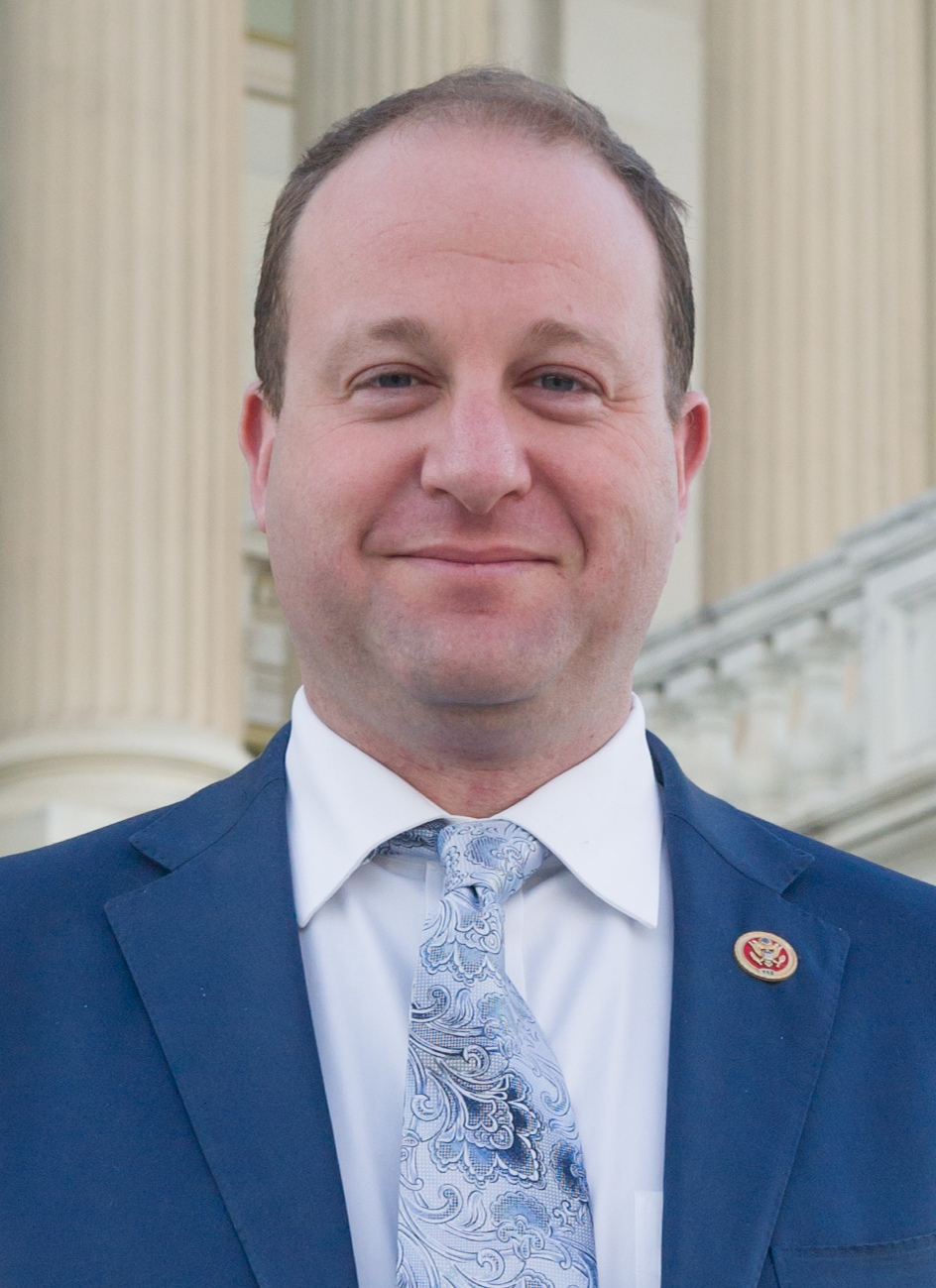
Colorado closes legal gap for defendants found unfit to stand trial
May 22, 2026
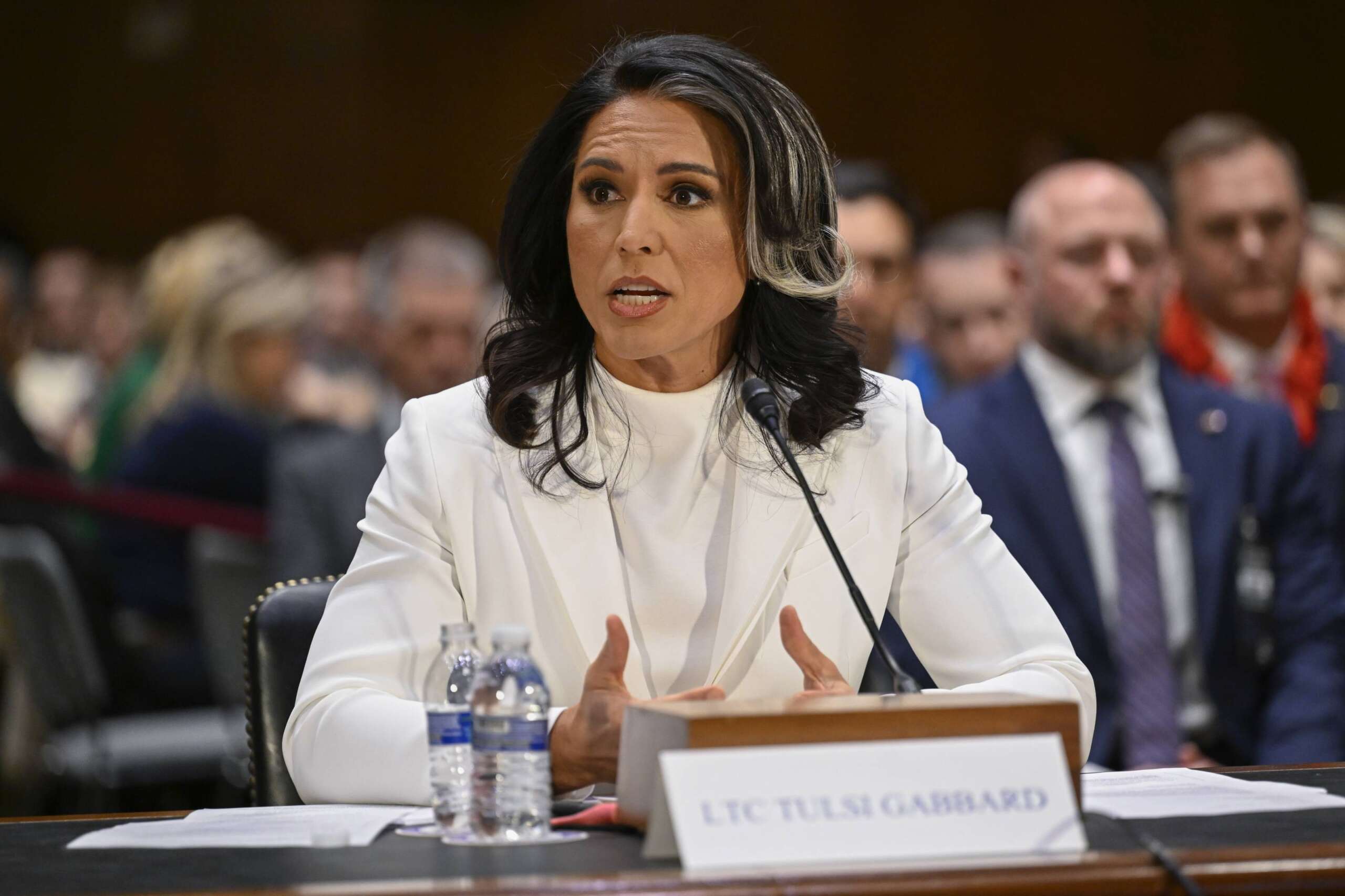
Gabbard resigns as director of national intelligence
🏫
May 22, 2026
Tennessee governor signs Memphis schools state takeover into law
View All Government Topics
769 topics
22 questions
Start the review