National Security · Constitutional Law · Foreign Policy · Legislative Process·April 1, 2026
Trump threatens to bomb Iran's power plants in primetime
Trump threatens power grid strike as War Powers clock hits final weeks

President Trump delivered an approximately 18-minute primetime address from the White House on the evening of April 1, 2026 — Day 33 of Operation Epic Fury, the U.S. war against Iran he launched on February 28. Trump declared the conflict "nearing completion," citing American strikes on Iranian nuclear sites, the destruction of Iran's navy, and the killing of IRGC leadership. He said the U.S. was "on track to complete all of America's military objectives shortly, very shortly."
At the same time, Trump threatened massive escalation. "We are going to hit them extremely hard over the next two to three weeks," Trump said. He specifically threatened to strike all of Iran's power plants simultaneously if Iran did not reopen the Strait of Hormuz and accept his terms. The threat, delivered in a White House primetime address, marked the first formal national address on the conflict since its launch.
Trump's threat to bomb Iran's power plants drew immediate condemnation from international law experts and human rights organizations. Amnesty International called the threat "a threat to commit war crimes" in a statement released before the April 1 speech. After Trump escalated further on April 7 — posting on Truth Social that "a whole civilization will die tonight, never to be brought back again" — Amnesty International Secretary General Agnès Callamard said Trump's threats "brazenly shred core rules of international humanitarian law, with potentially catastrophic consequences for over 90 million people."
Deliberate attacks on civilian objects, including power plants, are prohibited under customary international humanitarian law, which applies to all states regardless of treaty membership. The United States has not ratified Additional Protocol I to the Geneva Conventions — which codifies these civilian infrastructure protections — but the underlying prohibition binds the U.S. as customary law. Intentionally targeting civilian infrastructure is a war crime under the Rome Statute.
Trump launched Operation Epic Fury on February 28, 2026, without seeking congressional authorization — the first time a U.S. president initiated a full-scale war against a nation-state without a prior vote in Congress in the modern era. He notified Congress of the strikes under the on March 2, starting the 60-day clock. Under the 1973 law, if Congress does not formally declare war or authorize the use of force within 60 days of that notification, the president must withdraw U.S. forces within 30 additional days. That clock expires on approximately May 1, 2026.
The Senate voted on a in March 2026, with Senators Chuck Schumer, Adam Schiff, and Tim Kaine co-sponsoring the measure. The Senate voted it down 53-47 on a near party-line vote, with Sen. Rand Paul of Kentucky the only Republican to vote for it. By April 15, the Senate had blocked a war powers resolution for a fourth time, with the final vote 47-52 — again with Paul as the sole Republican in favor and Sen. John Fetterman of Pennsylvania the lone Democrat voting against.
Energy markets responded sharply to Trump's April 1 address. Brent crude, the global oil benchmark, surged more than 8% — rising approximately $7.87 to settle near $109 per barrel in the hours following the speech. U.S. crude oil prices topped $110 per barrel as markets priced in the risk of a prolonged conflict and continued closure of the Strait of Hormuz. About 20% of global oil supplies passed through the strait before the war began.
National U.S. gasoline prices were already averaging over $4 per gallon before the April 1 address, driven by two months of Hormuz disruption. The oil price surge after Trump's speech added direct pressure to household energy costs across the country. Congress was on spring recess when Trump delivered the address and was not scheduled to return until April 13-14, compressing the window for any legislative response before the 60-day WPR deadline.
In his April 1 address, Trump claimed that Iran was "nearing defeat" and that its military capacity had been "decimated." Independent analysts disputed portions of those claims. Emma Sandifer, program coordinator at the Center for Arms Control and Non-Proliferation, said that while U.S. strikes had set back Iran's nuclear program, they had not eliminated Iran's enrichment capacity. Eliana Johns, a senior research associate with the nuclear information project at the Federation of American Scientists, similarly assessed that Iranian nuclear sites struck during Operation Midnight Hammer had been damaged, but not permanently destroyed.
Trump also claimed that Iran had asked for a ceasefire through Iran's president. Iranian officials publicly denied any ceasefire discussions were underway, calling Trump's characterization false. The conflicting claims left allies and markets unable to assess how close the conflict actually was to resolution.
NATO allies fractured over the Iran war in the days around Trump's April 1 address. Spain refused to allow the U.S. to use jointly operated military bases for the conflict, with Prime Minister Pedro Sanchez calling the war "unjustifiable" and "dangerous." Italy denied U.S. bombers access to a military base in Sicily. The United Kingdom allowed U.S. bombers to use British territory but restricted use to defensive missions only.
Trump responded by calling European allies "cowards" and threatening to withdraw from NATO entirely. Secretary of State Marco Rubio said the administration would "have to reexamine the value of NATO." European allies publicly rejected Trump's demand for Strait of Hormuz naval support, deepening a rift in the Atlantic alliance that analysts said would outlast the current administration.
As the 60-day deadline approached, two Republican senators signaled they might break with Trump. Sen. Susan Collins of Maine said: "If the military hostilities in Iran continue to that 60th day, then I believe the War Powers Act is implemented, and the president would need congressional authorization to continue the war in Iran." Sen. Thom Tillis of North Carolina told NBC News it would be "difficult" to get his support to continue the conflict beyond 60 days without a congressional vote.
Collins and Tillis's signals came as the fourth vote failed 47-52 on April 15. With a 52-47 Republican majority already thin, losing two more GOP votes would flip the math and potentially require the White House to seek an from a skeptical Congress. Senate Minority Leader Chuck Schumer called on Congress to return early from recess after Trump's April 1 address.
The constitutional stakes of the conflict extend beyond any specific strike decision. The War Powers Resolution was passed in 1973 specifically to prevent presidents from committing U.S. forces to extended conflicts without congressional approval — a direct response to the Vietnam War, in which Congress never declared war but funded the conflict for years through appropriations. Trump's launch of Operation Epic Fury without prior authorization, and Congress's repeated failure to constrain him through war powers votes, has renewed the longstanding debate over whether the WPR has any practical enforcement power.
The Iranian Red Crescent Society reported that more than 10,000 civilian sites had been damaged since the war started, with 65 schools and 32 medical facilities among those targeted. NPR and PBS NewsHour have documented the legal debate over whether existing damage, combined with Trump's explicit threat to destroy power plants, already meets the threshold for international legal review.
Related Topics
6
The sixty-day clock on Iran strikes just ran out. Congress can't stop it.
The sixty-day deadline under the War Powers Resolution passed May 1 with no congressional authorization in place. The Senate voted for the sixth time to end the strikes. The House hasn't moved.
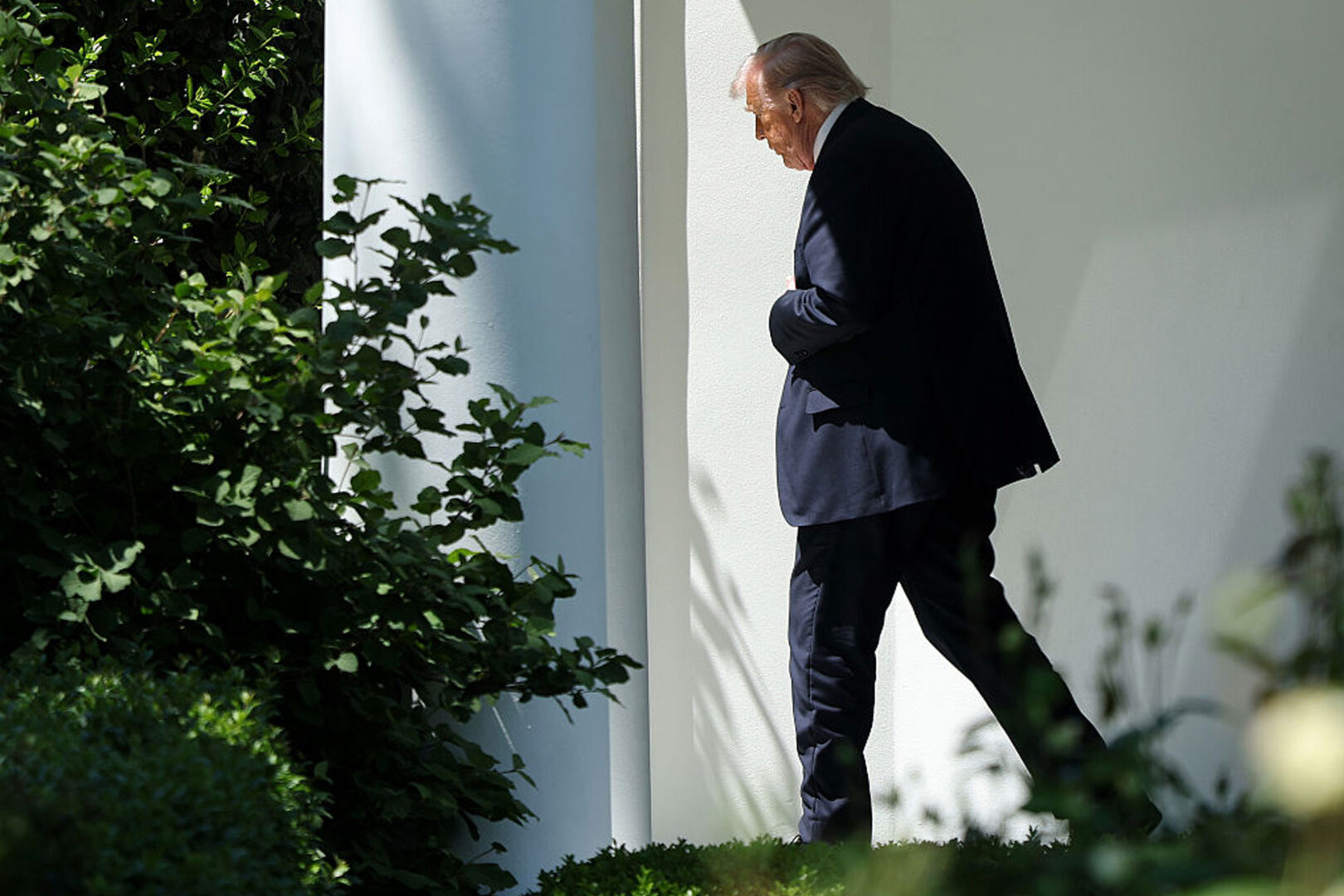
Trump declares Iran war "terminated" to skip the 60-day deadline
Trump's letter claims the war ended while a Strait of Hormuz blockade continues

US-Iran Islamabad talks collapse. Trump threatens naval blockade
21-hour Iran talks fail in Pakistan, Trump posts naval blockade threat
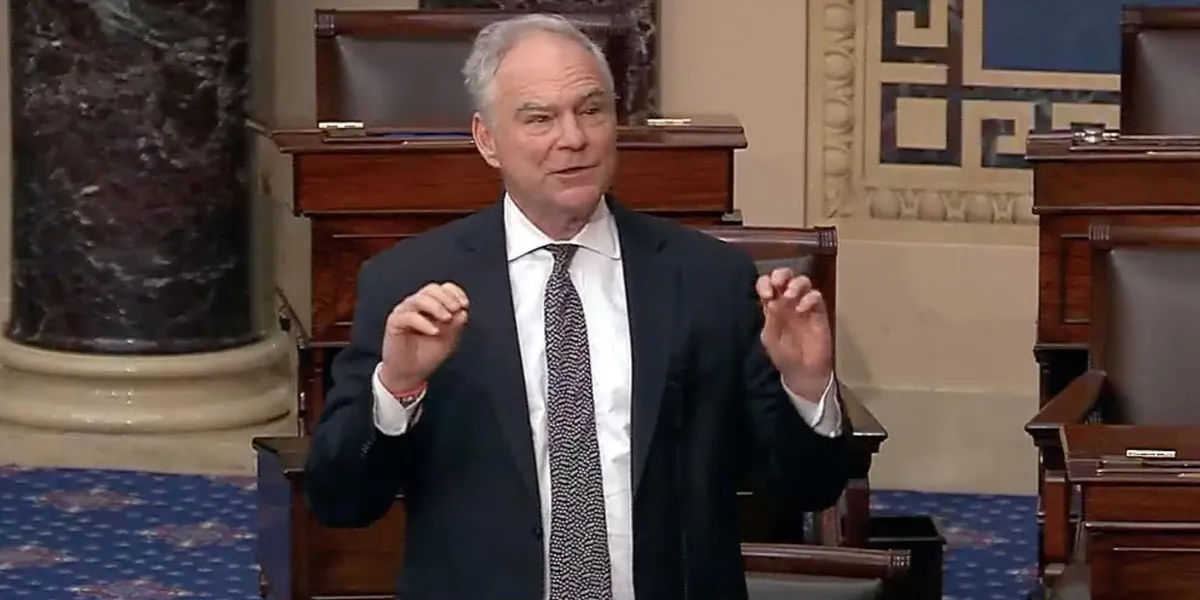
Senate rejects Iran war powers resolution 47-53
Eight failed votes leave Trump''s Iran war legally unchecked as April deadline nears

Trump calls Iran war a "short-term excursion" to calm House Republicans
Classified briefings show war "far worse than you thought" as Trump reassures his caucus
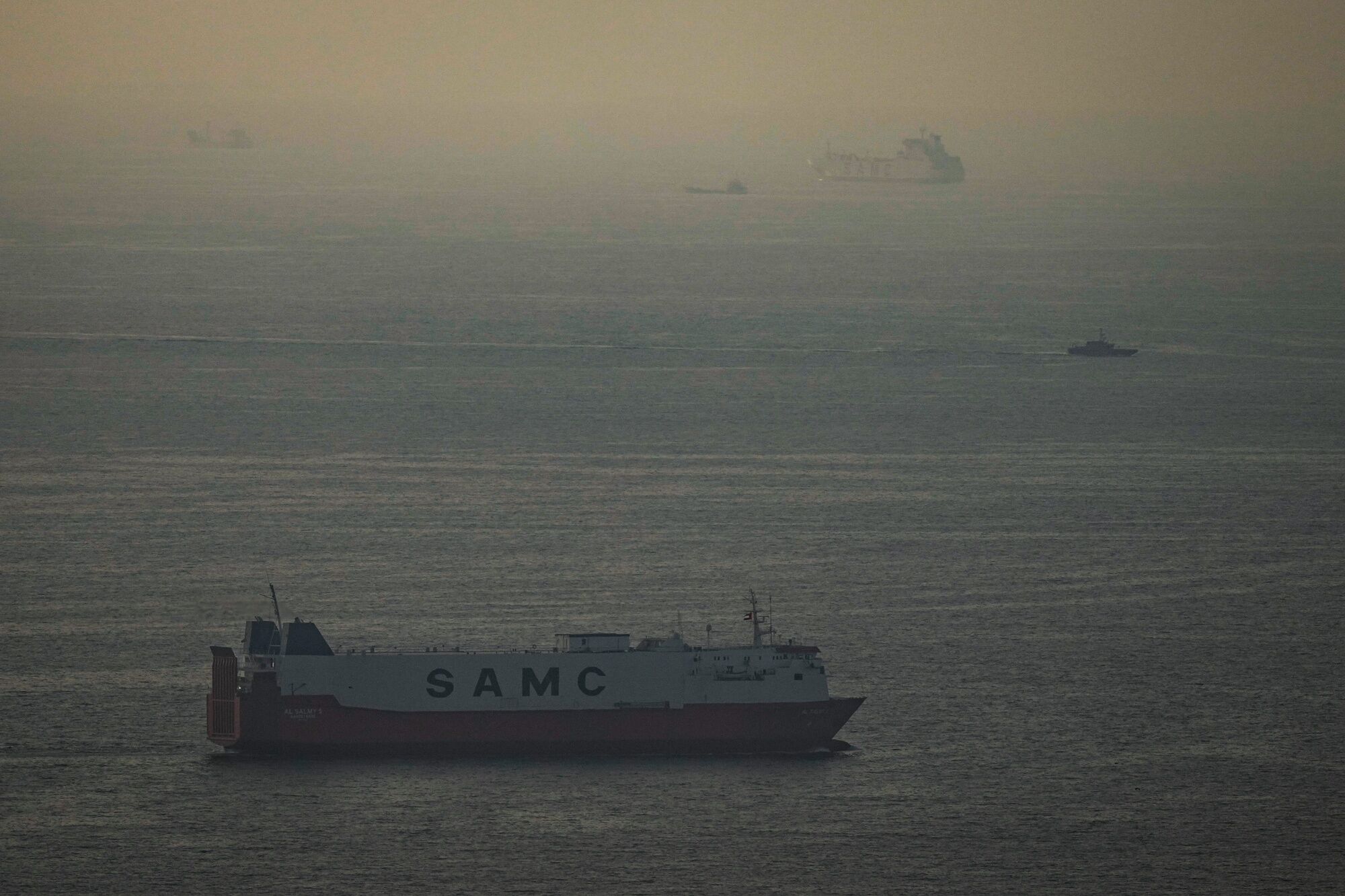
Trump gives Iran 48-hour ultimatum, threatens power plants
Iran warns it will mine the Gulf and permanently close the Strait of Hormuz if power plants are targeted
25 questions
Start the review