Energy · National Security · Foreign Policy · Economy·March 10, 2026
Trump floats U.S. takeover of Strait of Hormuz as oil hits $120
Trump's two-minute phone call moved global oil prices by $10 a barrel

Photo: Getty Images
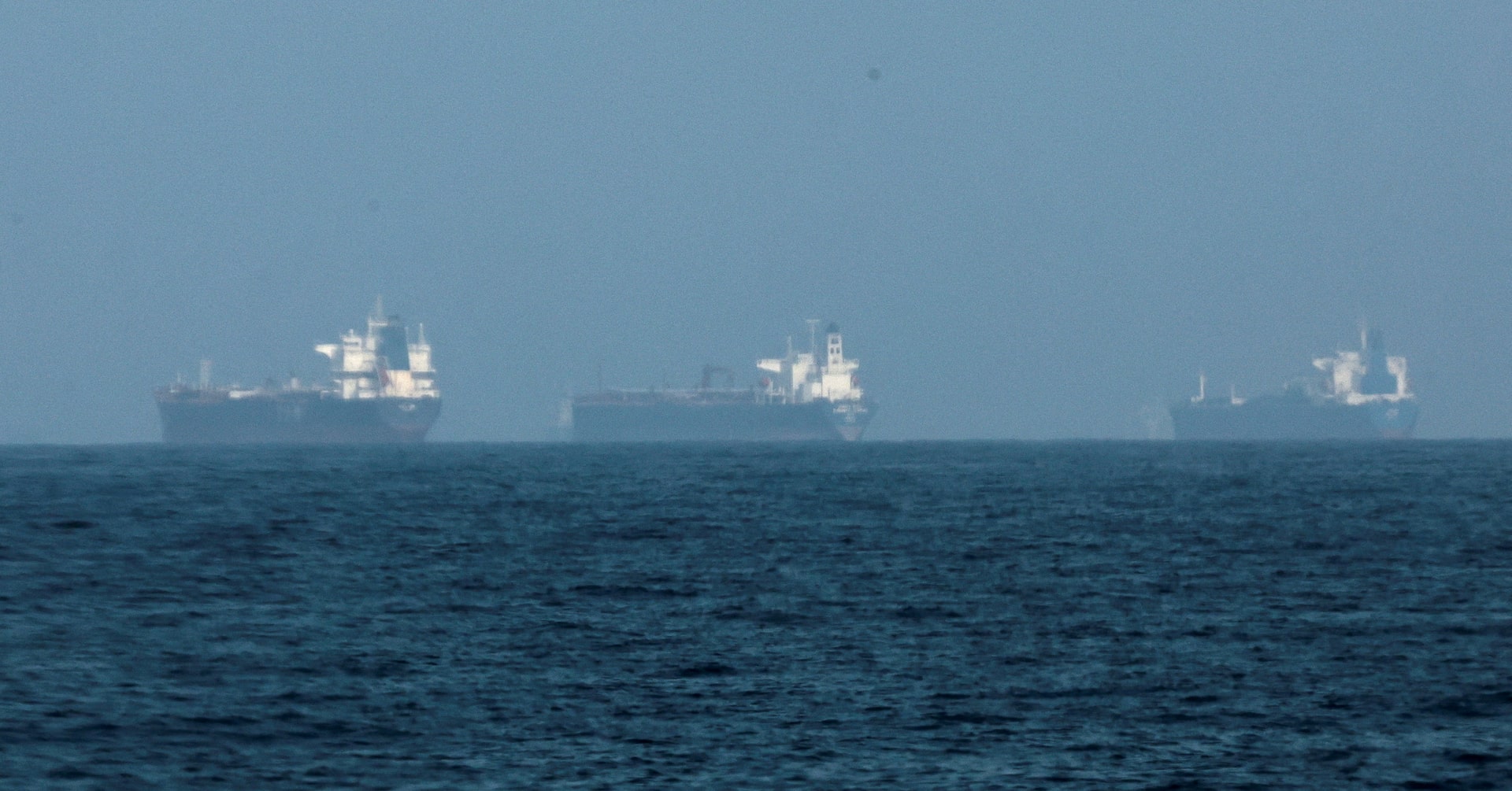
Crude oil prices surged past $100 a barrel for the first time since Russia's 2022 invasion of Ukraine as the Iran war entered its second week. West Texas Intermediate, the U.S. benchmark, hit $119.48 per barrel overnight on March 9. Global benchmark Brent crude rose above $119.50 before pulling back. The spike came as Gulf Arab oil producers cut production because commercial tanker traffic through the had effectively come to a standstill. Iraq cut production by 1.5 million barrels per day. Saudi Arabia, the United Arab Emirates, and Kuwait all announced precautionary output reductions. About 20 percent of the world's oil supply, roughly 15 to 20 million barrels a day, normally passes through the strait.
Iranian Islamic Revolutionary Guard Corps spokesman Ebrahim Jabari had posted on Telegram on March 2 that the strait was closed and that any ship attempting to pass would be set ablaze. He said Iran would also attack oil pipelines and would not allow a single drop of oil to leave the region. EIA Al Jazeera
Trump told CBS News on March 9 that he was "thinking about taking over" the Strait of Hormuz to ensure it remained open. He did not specify what that would mean operationally. That same day at a press conference in Doral, Florida, he threatened Iran with strikes at "a level never seen before" if it did anything to block oil supplies, saying: "If Iran does anything that stops the flow of oil within the Strait of Hormuz, they will be hit by the United States of America twenty times harder than they have been hit thus far."
Alexander Freeman, a shipping law partner at British firm Hill Dickinson, told Al Jazeera that the United States has no jurisdiction over the Strait of Hormuz. Under the United Nations Convention on the Law of the Sea, the strait runs through Iranian and Omani sovereign territorial waters. Taking it over without both countries' consent would amount to an incursion on their jurisdiction regardless of the stated purpose. CBS News Al Jazeera
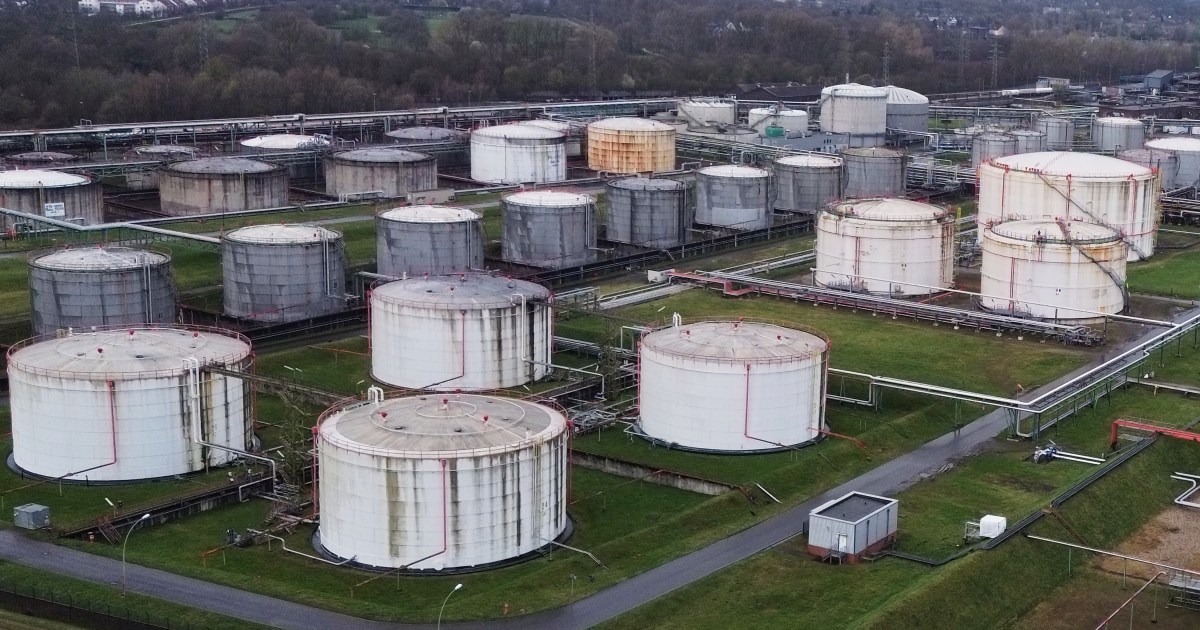
Trump authorized a release of 172 million barrels from the Strategic Petroleum Reserve, Energy Secretary Christopher Wright announced, with deliveries beginning the following week and taking roughly 120 days to complete. The International Energy Agency coordinated a parallel release among its 32 member countries, totaling 400 million barrels. Wright said the United States had arranged to replenish the reserve with 200 million barrels within a year at no cost to taxpayers.
The reserve held approximately 415 million barrels as of March 6, near its lowest level in decades after former President Biden sold more than 40 percent of it in 2022 to offset prices following Russia's invasion of Ukraine. The Strategic Petroleum Reserve is meant to cushion against supply shocks from natural disasters, political disputes, and labor strikes. Releasing it does not reopen the Strait; it buys time while the military campaign continues. EIA CRS
Trump floated U.S. Navy escorts for oil tankers as a second tool. He had previously said the Navy would escort ships "if necessary, as soon as possible." Energy Secretary Wright confirmed the administration would provide naval escorts "as soon as we can," but offered no timeline. Karoline Leavitt said the administration was "carefully managing" the situation through the Department of War and the Department of Energy.
Analysts said naval escorts face a practical ceiling. The U.S. Navy escorted tankers through the strait during the Iran-Iraq War in 1987, but was not simultaneously waging an air war against the Iranian regime at that time. Helima Croft, head of global commodity strategy at RBC Capital Markets, told clients the key question would be whether there were enough naval assets to both escort ships and continue operations against Iran. Analysts at Rapidan Energy said escorts alone would not reopen the strait without systematically degrading Iran's ability to threaten shipping. CBS News Al Jazeera
Iran began laying mines in the strait, CNN and CBS reported on March 9, citing U.S. intelligence. Trump posted on Truth Social that the administration had "no reports" of mines but demanded their removal "immediately" if they existed, threatening "military consequences at a level never seen before" if they were not cleared. He also said that "death, fire, and fury will reign upon" Iran if it blocked the oil supply.
The mine threat is a distinct and serious escalation from missile and drone attacks. Naval mines are passive weapons that can be laid in advance and require dedicated minesweeping operations to clear. CBS reported that while Iran's total mine stock is unknown, estimates put it at between 2,000 and 6,000 naval mines. The U.S. has minesweeping capabilities in the region but using them in the strait while simultaneously conducting airstrikes against Iran would require a complex, layered naval operation. Al Jazeera Invezz
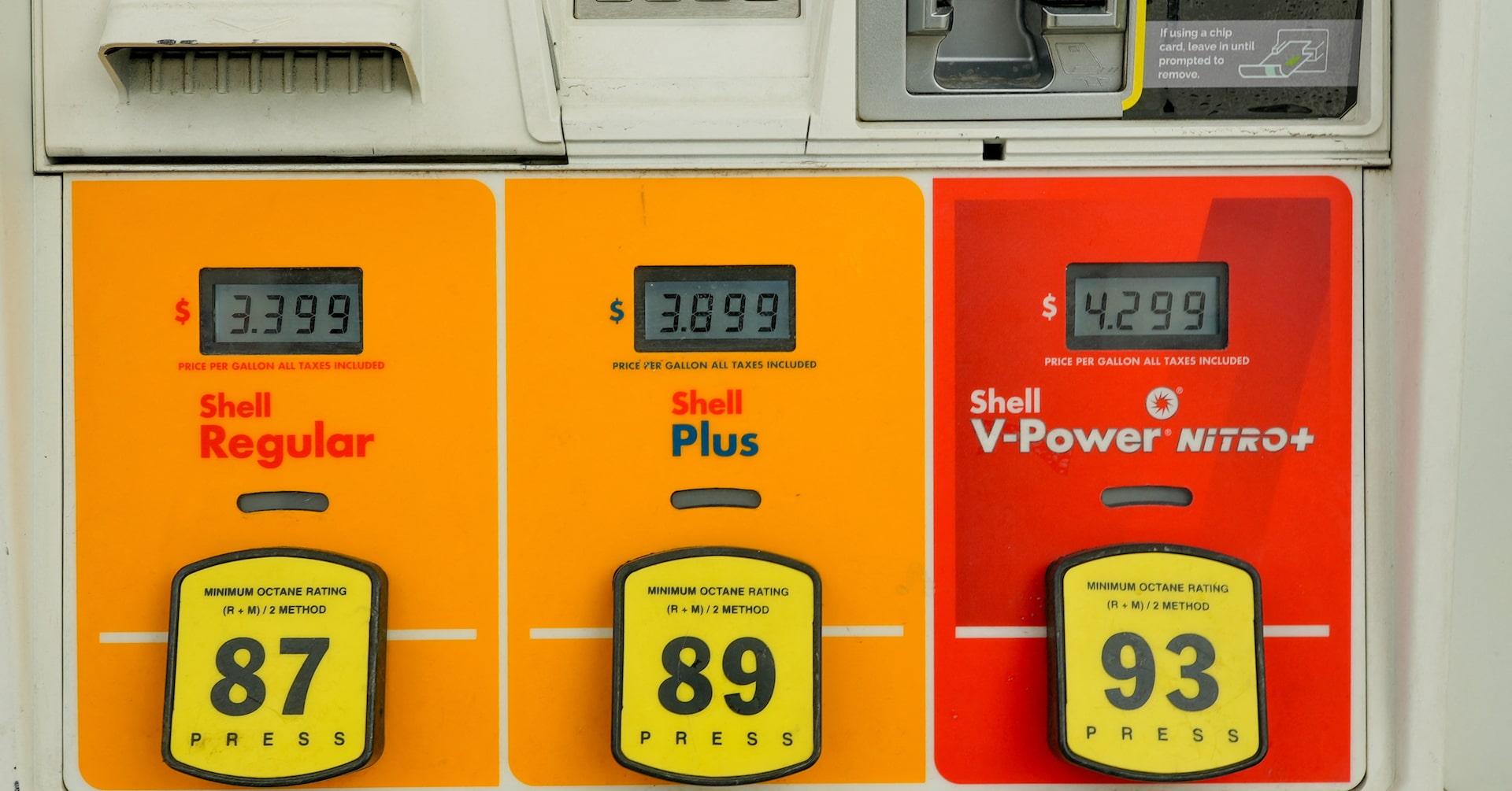
Gas prices in the United States rose more than 14 percent in the week after the war began, reaching a national average above $3.50 a gallon. Before the war, gas averaged below $3. Trump said on Sunday, March 8, that $100-per-barrel oil was "a small price to pay" for defeating the Iranian nuclear threat, and predicted prices would drop rapidly once the destruction of Iran's nuclear program was complete.
The economic pressure created a political tension the administration could not avoid. Trump had campaigned on lowering the cost of living. Republicans acknowledged that offsetting the price increase was crucial ahead of the 2026 midterm elections. Columbia University Center on Global Energy Policy managing director Luisa Palacios said prices could not return to normal until Iran's ability to disrupt maritime transit was credibly neutralized. Analysts at Kpler estimated that could take one to three months after the strait fully reopened. CBS News EIA
Related Topics
6
Iran warns ships against passing Strait of Hormuz but does not officially close it
More than 150 tankers anchored. Iran enforces shutdown without formally declaring one
Oil majors suspend Hormuz shipments as Iran warns ships against transit
Tankers stand down, 20% of world's daily oil supply now at risk
Record 400M barrel oil release fails to stop $100 crude amid Iran war
Biggest oil stockpile release in history can only replace 15% of lost supply
Iran war pushes oil to $120, threatening Trump's affordability promise
The price increase represents the fastest gasoline inflation during Trump second term
US bombs Kharg Island military targets as Iran war hits day 14
Sparing oil terminals, Trump turns Iran's export hub into a hostage

US and Iran resume nuclear talks as two carrier strike groups mass in Persian Gulf
US deploys F-22s to Israel for first time, two carrier groups now in region
22 questions
Start the review