Energy · National Security · Foreign Policy · Economy · Historical Precedent·March 1, 2026
Iran warns ships against passing Strait of Hormuz but does not officially close it
More than 150 tankers anchored. Iran enforces shutdown without formally declaring one

"On February 28, 2026, U.S. and Israeli forces launched strikes on Iran that killed Supreme Leader Ali Khamenei. Within hours, Iran's Islamic Revolutionary Guard Corps broadcast VHF radio messages to all vessels in the Persian Gulf: "no ship is allowed to pass the until further notice." The UK Maritime Trade Operations agency and the EU naval mission Aspides confirmed receiving reports of these broadcasts from ships in the area. Iran International Al Jazeera"
"Iran never issued a formal legal closure of the strait. Instead, IRGC naval units enforced a de facto shutdown through two tools: radio intimidation and physical attacks. At least two commercial vessels were struck by projectiles near the strait on March 1. This approach avoids the legal liability of a declared blockade under international maritime law while producing the same result — ships stopped moving through the corridor. Al Jazeera Militarnyi"
"Vessel traffic at the strait entrance dropped roughly 70% within 24 hours, according to MarineTraffic data. More than 150 tankers dropped anchor in Gulf waters, with dozens more idling on both sides of the strait. Maersk and CMA CGM ordered their entire fleets away from the Persian Gulf and rerouted around Africa's Cape of Good Hope — a detour that adds roughly two weeks to shipping times between Asia and Europe. CNBC"
"Oil prices jumped more than 10% on March 1, with JP Morgan analysts warning prices could exceed $120 per barrel if the disruption held. Capital Economics estimated that $100-per-barrel oil would add 0.6 to 0.7 percentage points to global inflation. Marine insurance providers began canceling war risk coverage outright or raising premiums by up to 50%, further deterring any ship operators still considering transit. CNBC Militarnyi"
"The U.S. Navy responded under the Carter Doctrine — President Carter's 1980 commitment that any attempt to control the Persian Gulf would be "repelled by any means necessary, including military force." President Trump confirmed that nine Iranian warships had been sunk by Sunday morning, including a Jamaran-class corvette destroyed at Chabahar pier during Operation Epic Fury. A U.S. defense official said some vessels were still transiting, but commercial traffic remained frozen. Congress.gov CRS Flashpoint"
"About 84% of the oil moving through Hormuz on any given day is bound for Asia. Japan, South Korea, China, and India are the most exposed economies. Japan's Nippon Yusen ordered its fleet to avoid the strait entirely. Greece told its merchant fleet — one of the world's largest by tonnage — to reassess passage. A closure lasting weeks rather than days would force Asian importers to pay sharp premiums for redirected crude or drain their strategic reserves. Al Jazeera CNBC"
"The legal status of the strait sits in deliberate ambiguity. UNCLOS Article 38 grants all ships the right of transit passage through international straits — a right that cannot be suspended. But neither Iran nor the United States has ratified UNCLOS. Iran signed it in 1982 and never completed ratification. The U.S. also never ratified it, while treating its navigation provisions as customary international law. Iran rejects that move, arguing the U.S. can't invoke treaty rights it refused to accept. Both sides use that gap strategically. Congress.gov CRS"
Related Topics
6
Trump floats U.S. takeover of Strait of Hormuz as oil hits $120
Trump's two-minute phone call moved global oil prices by $10 a barrel
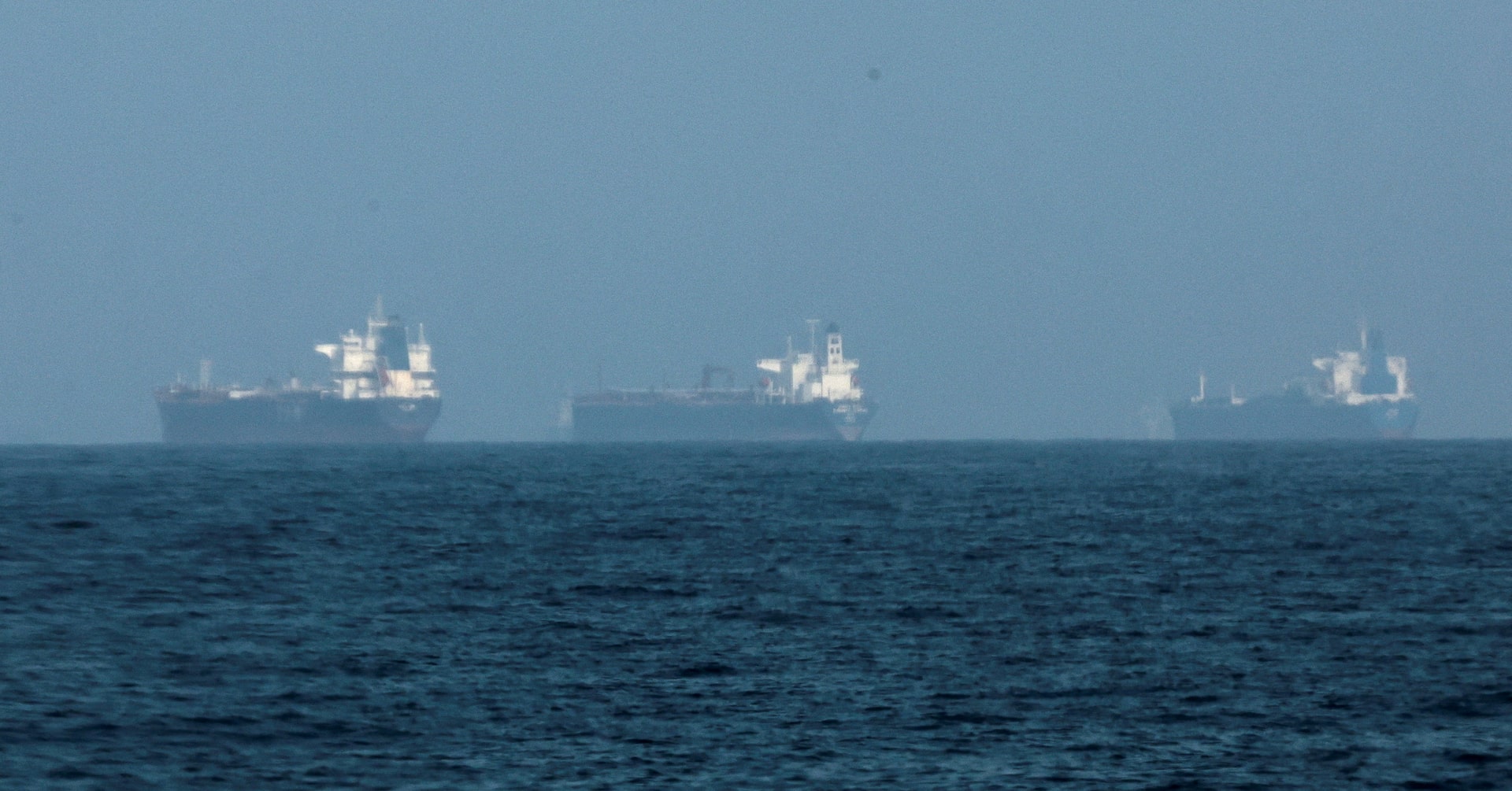
Oil majors suspend Hormuz shipments as Iran warns ships against transit
Tankers stand down, 20% of world's daily oil supply now at risk

Iran war sends gas prices to biggest single-day spike since Hurricane Katrina
Futures markets priced in war within hours before a single tanker was actually stopped
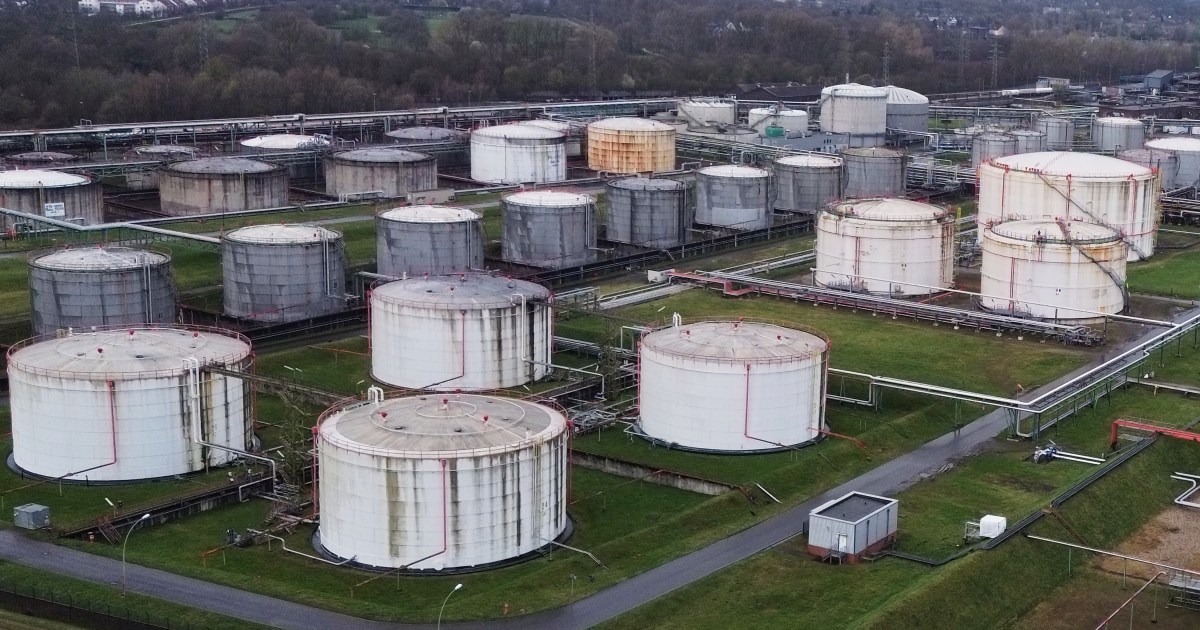
Record 400M barrel oil release fails to stop $100 crude amid Iran war
Biggest oil stockpile release in history can only replace 15% of lost supply

They all promised no regime change in Iran. The record says otherwise
Trump, Vance, Hegseth, Rubio said it. Greene and Carlson documented the betrayal
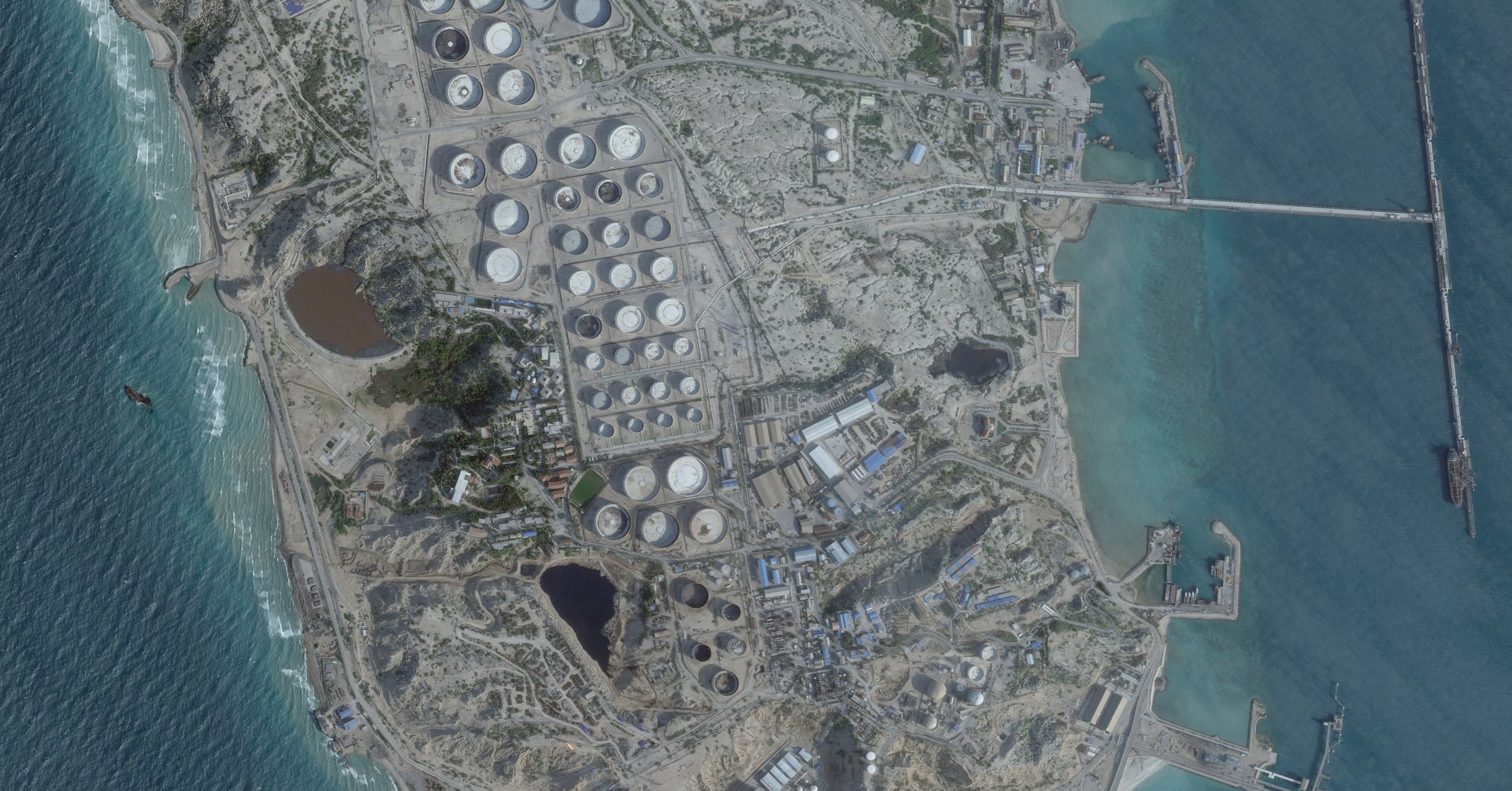
US bombs Kharg Island military targets as Iran war hits day 14
Sparing oil terminals, Trump turns Iran's export hub into a hostage
30 questions
Start the review