March 1, 2026
Congress schedules war powers votes as Massie, Paul, and Davidson break with GOP on Iran strikes
Democrats need just three Republicans — and they may have them
March 1, 2026
Democrats need just three Republicans — and they may have them
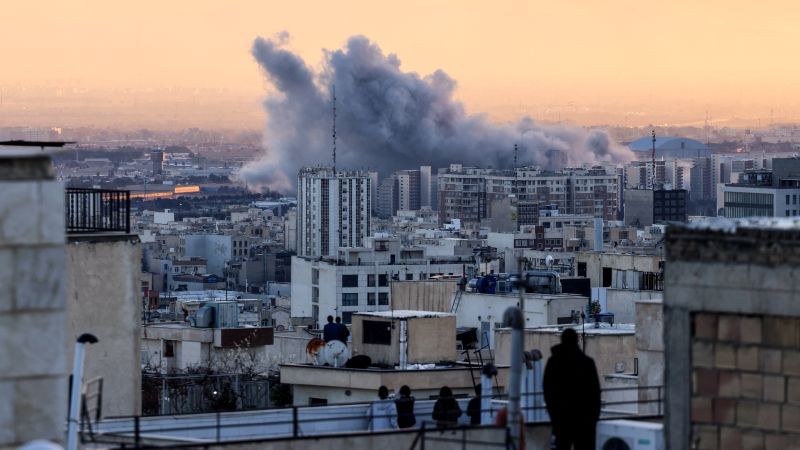
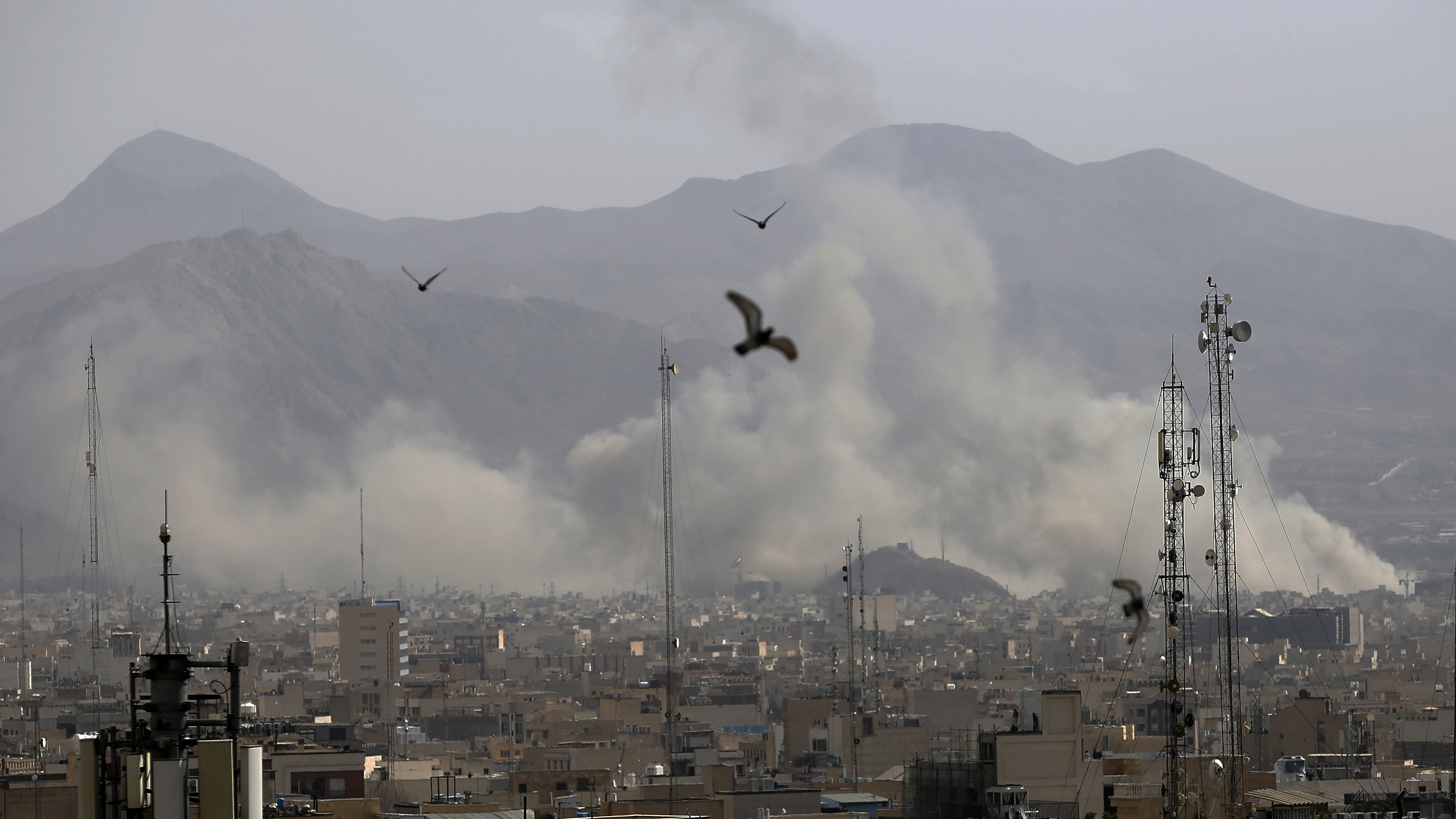
Both the House and Senate scheduled formal war powers votes for the week of March 2, 2026, in direct response to Trump ordering military strikes against Iran without congressional authorization on Feb. 28. The votes would test whether Congress had the will to reassert its constitutional authority over the use of military force.
The War Powers Resolution of 1973, passed over President Nixon's veto, requires the president to notify Congress within 48 hours of committing armed forces to hostilities and limits unauthorized operations to 60 days without explicit congressional approval. Trump's administration notified the Gang of Eight after strikes began, but sought no advance authorization.
Three Republicans publicly condemned the strikes as unconstitutional: Rep. Thomas Massie (R-KY), Rep. Warren Davidson (R-OH), and Sen. Rand Paul (R-KY). Massie called the failure to consult Congress beforehand 'a slap in the face of the United States Congress.' All three said they would support resolutions requiring authorization for continued military action.
Senate and House Republican leadership said they believed the three dissenters were 'likely on an island in their own party' and that the vast majority of Republicans would back Trump. But Democrats noted that even a small number of Republican crossovers — combined with a unified Democratic caucus — could be enough to pass resolutions in chambers with narrow majorities.
The constitutional question is clear but the political enforcement mechanism is not. Under the War Powers Resolution, Congress can pass a concurrent resolution — not subject to presidential veto — to require withdrawal of forces. But presidents of both parties have consistently disputed the constitutionality of that provision, and no court has definitively ruled on it.
Massie and Rep. Ro Khanna (D-CA) had introduced a joint war powers resolution in 2025 after tensions with Iran escalated, specifically to limit unauthorized presidential military action against Iran. That earlier resolution failed. The new votes in March 2026 came after actual hostilities had begun, giving the resolutions more urgency and political weight.
The Iran strikes are the largest U.S. military operation since the Iraq invasion in 2003, and the first time since the Gulf War in 1991 that Congress faces a vote to stop or authorize an active large-scale military conflict. Legal scholars noted that Congress's failure to act within 60 days would, under the War Powers Resolution, legally require Trump to withdraw forces — a timeline that expires in late April 2026.
Public opinion data from polling conducted immediately after the strikes showed a divided country: roughly 52% of Americans supported military action to prevent Iran from developing nuclear weapons, while 61% said Congress should have been consulted and voted before any strikes began, according to a CBS News/YouGov poll released March 1.
U.S. Representative (R-KY)
U.S. Representative (R-OH)
U.S. Senator (R-KY)
U.S. Representative (D-CA)

Speaker of the House (R-LA)
President of the United States

Senate Minority Leader (D-NY)