National Security · Foreign Policy·February 19, 2026
Iran buries nuclear sites under concrete as satellites watch US bombers approach
Boeing restocks $100M in bunker-busters as Iran buries what they hit

Commercial satellite images published on February 18, 2026 by Reuters and analyzed by the Institute for Science and International Security show Iran burying three separate nuclear-linked sites
At Isfahan, all three tunnel entrances to the nuclear complex were completely backfilled with soil by February 9
At Parchin, the newly constructed Taleghan 2 facility vanished under a thick concrete shell and soil layer by February 16 Near Natanz, construction crews began hardening two mountain tunnel entrances in early February.
The Taleghan 2 facility at Parchin is especially significant
Imagery captured between September and November 2025 revealed a large cylindrical vessel roughly 36 meters long and 12 meters in diameter housed inside a new domed building
Its shape matches previous high-explosive test chambers Iran has built for weapons-related research Israel struck the original Parchin facility in October 2024, and Iran began rebuilding by May 2025 David Albright, the former UN nuclear inspector who founded ISIS, said Iran may soon turn it into a fully unrecognizable bunker.
The fortification follows Operation Midnight Hammer on June 22, 2025, when the U.S
Air Force launched its largest B-2 operational strike in history
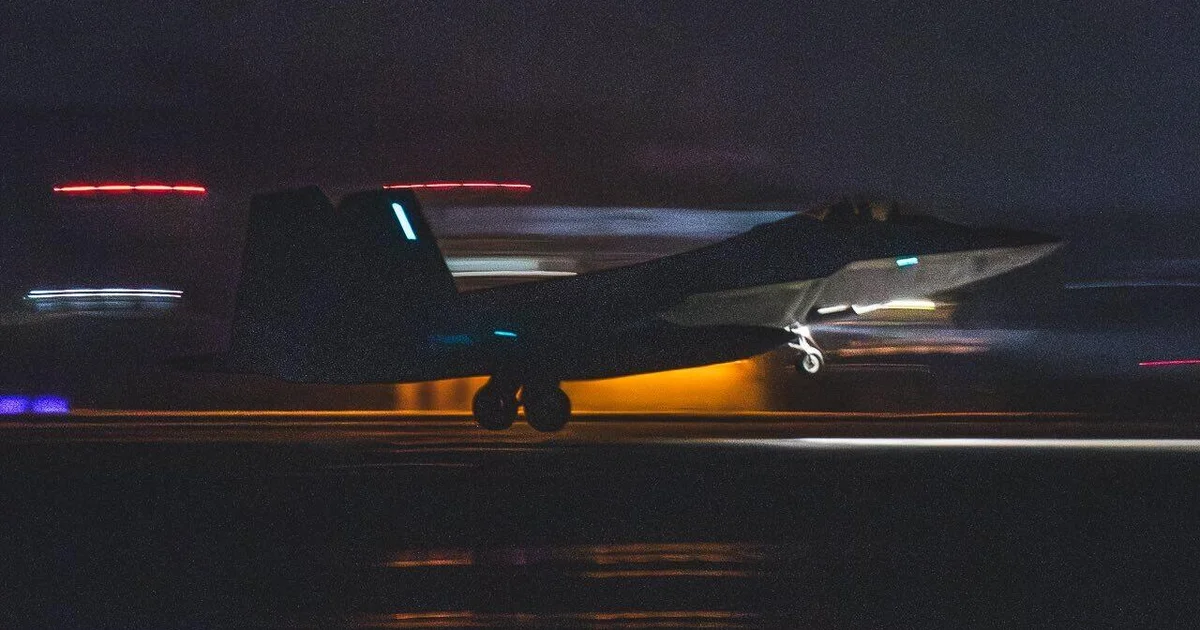
Seven B-2 Spirit stealth bombers from the 509th Bomb Wing at Whiteman Air Force Base flew 18 hours eastward, refueling three times mid-air Over 125 U.S. aircraft participated, dropping approximately 75 precision-guided weapons including 14 GBU-57 Massive Ordnance Penetrators on Fordow, Natanz, and Isfahan in just 25 minutes.
The GBU-57 is a 30,000-pound bomb, roughly 20 feet long, designed to penetrate deeply buried hardened targets
It can only be carried internally by the B-2 Spirit
A July 2025 Pentagon assessment found the strikes set Iran''s nuclear program back about two years, though a final bomb damage assessment was still ongoing months later Iran warned that unexploded U.S. bunker-buster bombs remained inside some struck facilities.
The U.S
Air Force awarded Boeing a contract worth more than $100 million in February 2026 to replenish its GBU-57 stockpile
The order covers new tail kits and all-up-round weapon system components, with delivery starting January 2028 The restocking signals the Pentagon expects to need these weapons again and wants to maintain the capability to strike deeply buried targets.
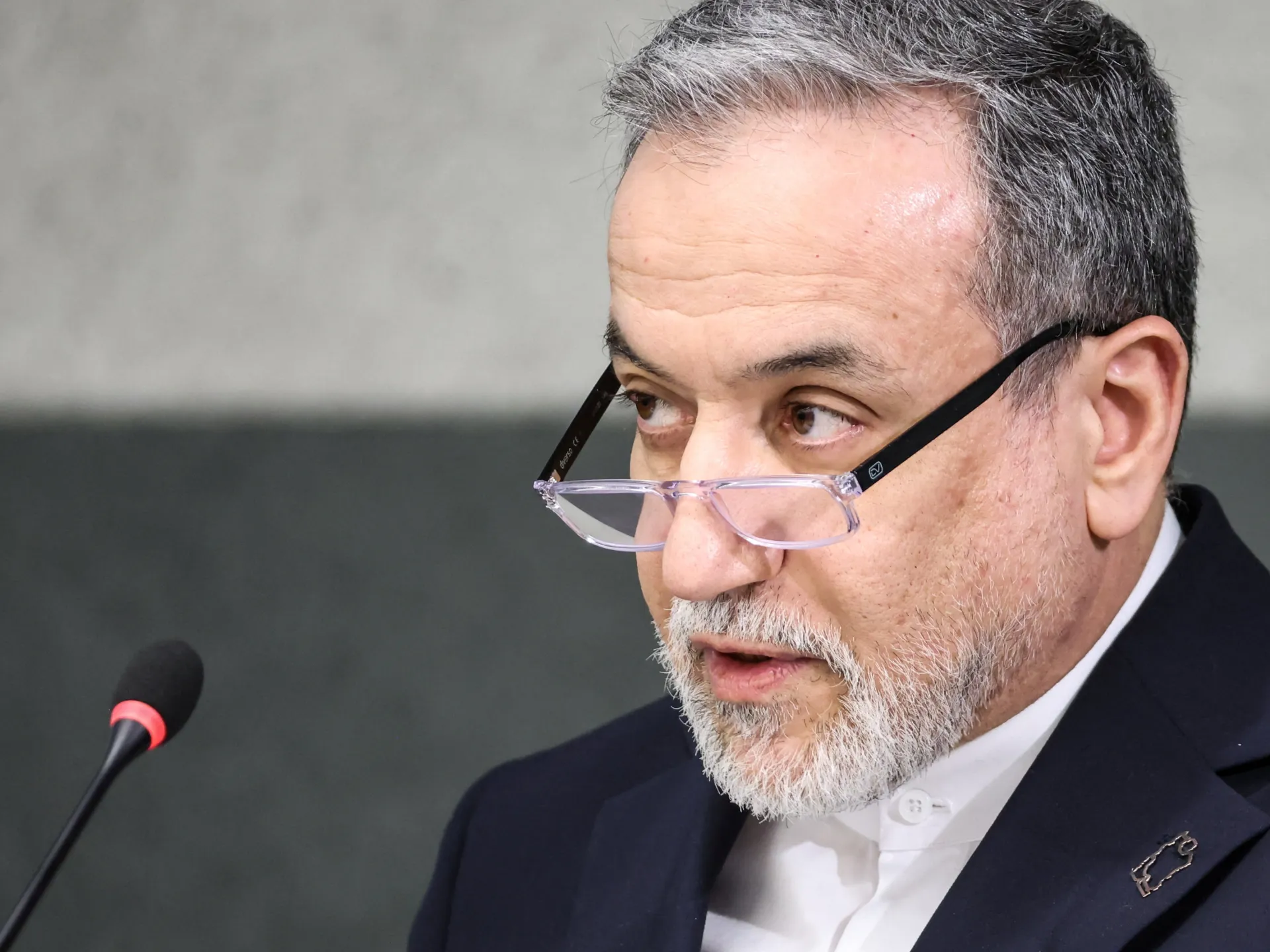
While Iran buried its facilities, its Foreign Minister Abbas Araghchi traveled to Geneva on February 16 for a second round of indirect nuclear talks with the United States, mediated by Omani Foreign Minister Badr Al-Busaidi
Trump envoys Jared Kushner and Steve Witkoff represented the American side
Araghchi claimed the two sides reached a general understanding on guiding principles but cautioned an agreement won''t come quickly Iran offered to return in two weeks with detailed proposals.
The simultaneous fortification and diplomacy reveal a classic hedging strategy
ISIS founder David Albright told Reuters that Iran is exploiting diplomatic pauses to harden its sites
The U.S. wants talks to cover Iran''s ballistic missiles and regional proxy support, while Tehran calls its missile program a red line and insists it won''t accept zero enrichment The previous diplomacy track collapsed in June 2025 when Israel launched surprise strikes on Iran, triggering the 12-day war that Washington joined.
Open-source intelligence has transformed nuclear monitoring
Organizations like ISIS, the James Martin Center for Nonproliferation Studies, and platforms like Bellingcat use commercial satellite providers including Maxar, Planet, and BlackSky to track sensitive sites
In 2021, independent researchers using commercial satellite imagery identified over 100 new Chinese nuclear missile silos before any government confirmed it This democratization of surveillance means governments can no longer hide major construction projects from public scrutiny.
Related Topics
6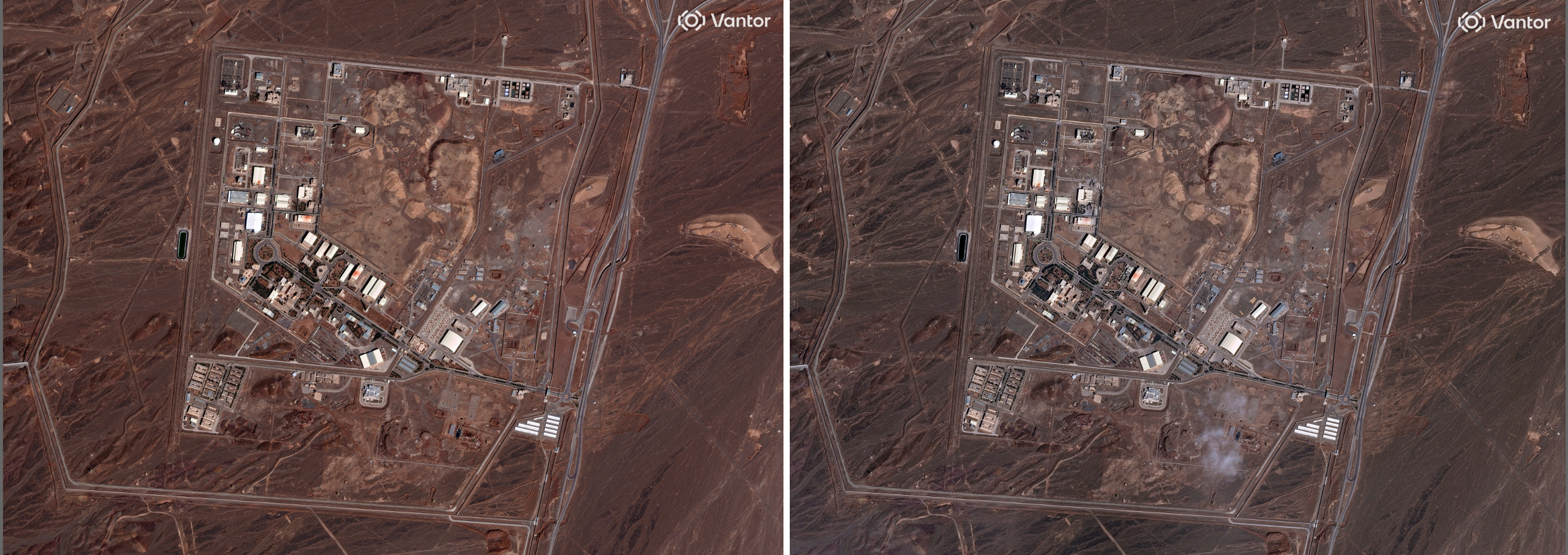
Israel and US strike Iran nuclear sites for first time in war
First strikes on Iran nuclear development sites risk radiological accident
US and Iran agree on nuclear deal "guiding principles" in Geneva
Two carrier strike groups sit 700km away as Oman shuttles messages

US weighs special forces raid to seize Iran's uranium
A uranium stockpile big enough for 11 nuclear bombs is missing underground
US military prepares weeks long Iran campaign not one off strike officials confirm
Two carriers mass in Arabian Sea as Trump warns Iran of deal-or-war choice

Iran stops all uranium enrichment after US Israel bombing and blocks UN inspectors
Iran stops enrichment after U.S.-Israel bombing but blocks inspectors from verifying remaining stockpiles
Pakistan hosts Saudi, Turkey, Egypt in Islamabad Iran war talks
Four nations push Iran-US talks in Islamabad as 82nd Airborne deploys
18 questions
Start the review