National Security · Public Policy · Foreign Policy · Government·March 29, 2026
Pakistan hosts Saudi, Turkey, Egypt in Islamabad Iran war talks
Four nations push Iran-US talks in Islamabad as 82nd Airborne deploys

Photo: Muammer Tan/Turkish Foreign MinistryHandout via REUTERS
Pakistani Deputy Prime Minister Ishaq Dar convened Saudi Foreign Minister Faisal bin Farhan Al Saud, Turkish Foreign Minister Hakan Fidan, and Egyptian Foreign Minister Badr Abdelatty in Islamabad on March 29, 2026, for two days of diplomacy aimed at ending the U.S.-Israel-Iran war. The four nations represent Muslim-majority countries with deep economic and strategic stakes in a conflict that is disrupting global oil markets and regional trade. Saudi Arabia and Turkey both have significant economic ties to the U.S.; Egypt controls the Suez Canal — the other critical global shipping chokepoint.\n\nAfter the meetings, Deputy PM Dar announced that Pakistan would host direct U.S.-Iran negotiations in coming days. The announcement was significant because Iran has publicly insisted it isn't negotiating with the U.S. — Foreign Minister Abbas Araghchi said any message exchanges through Pakistan are not formal negotiations. The U.S. has described the same channel as active diplomatic engagement.
The United States transmitted a 15-point peace proposal to Iran via Pakistan on or around March 24–25, 2026. The proposal covered a ceasefire, rollback of Iran's nuclear program, reopening of the , and a package of sanctions relief. Trump publicly said talks are ongoing. Foreign Minister Araghchi immediately denied any negotiations were taking place, calling Trump deceitful.\n\nIran issued its own five-condition counterproposal through state television: a complete halt to U.S. and Israeli military operations and targeted assassinations; international mechanisms to guarantee the war won't restart; U.S. and Israeli payment of war reparations to Iran; an end to attacks on Hezbollah in Lebanon and pro-Iranian militias in Iraq; and international recognition of Iranian sovereignty over the Strait of Hormuz. The reparations demand and the Hormuz sovereignty claim both represent positions the U.S. has publicly called non-starters.
As a confidence-building gesture tied to the Islamabad meetings, Iran agreed to allow 20 Pakistani-flagged ships to pass through the Strait of Hormuz at a rate of two vessels per day — the first limited opening of the strait since Iran imposed its blockade on February 28. The Strait of Hormuz is a 21-mile-wide chokepoint between Iran and Oman through which roughly 20 percent of global oil passes daily. Iran's blockade has caused fuel price spikes across Asia and the Global South; Pakistan, Egypt, and Jordan have all reported severe economic strain from the disruption.\n\nThe 20-ship concession is narrow and symbolic — it covers a fraction of the commercial traffic the strait normally handles. Diplomats described it as a signal that Iran was willing to use the strait as a negotiating lever: offering limited relief as a goodwill gesture while keeping the main blockade in place and retaining maximum pressure on the countries pushing for a deal.
Iran’s parliament speaker Mohammad Bagher Ghalibaf publicly dismissed the Islamabad talks as cover for a planned U.S. ground invasion, warning that any U.S. ground troops entering the theater would be set on fire. Ghalibaf’s statement reflected Iran’s official parliamentary position that the diplomatic track was a deception rather than a genuine negotiating channel.
Between 2,000 and 3,000 soldiers from the 82nd Airborne Division received deployment orders to the Middle East as of March 24–25. The 82nd Airborne is the Army’s primary rapid-reaction force, based at Fort Liberty, North Carolina, and can mobilize globally within 18 hours. Combined with two Marine Expeditionary Units already moving toward the Persian Gulf, total U.S. ground forces near Iran could reach 6,000 to 8,000 troops. The Pentagon described the deployment as a contingency force.
Foreign Minister Araghchi has been consistent in his public messaging: Iran doesn't want a ceasefire because it would create a vicious cycle of repeated war. Iran's position is that the conflict must end permanently on Iranian terms — including sovereignty over the Strait of Hormuz and guarantees that the U.S. and Israel won't attack again. Araghchi said through state media that Iran wants the war to end in a way that it does not repeat, on its own terms.\n\nThis position makes the Islamabad diplomatic track complicated. Pakistan, Saudi Arabia, Turkey, and Egypt are all pushing for a negotiated end, and Iran's 20-ship gesture suggests it sees the strait as a bargaining chip. But Iran's stated terms — reparations, Hormuz sovereignty, an end to all U.S.-Israel operations across the region — go well beyond what the U.S. offered in its 15-point proposal. The war was in its 29th day on March 29 with no ceasefire in sight.
Congress has not authorized U.S. military participation in the Iran war. The (50 U.S.C. § 1541) requires the president to notify Congress within 48 hours of committing forces to hostilities and sets a 60-day clock for withdrawal or formal authorization. Trump notified Congress when the conflict began in late February 2026. The 60-day clock would expire in late April.\n\nSenate Democrats attempted to force a debate through procedural maneuvers in March but were blocked. No authorization vote has been scheduled. The 82nd Airborne deployment adds urgency: if U.S. ground troops enter combat, the absence of congressional authorization becomes an immediate constitutional question. Both the House and Senate are on Easter recess through April 13–14.
Trump publicly said talks were ongoing through Pakistan while simultaneously extending his April 6 strike deadline. In a Truth Social post on March 26, he wrote he was pausing strikes on Iran's energy infrastructure by 10 days, crediting Iran's release of 10 oil tankers through the Strait as a confidence-building gesture. He framed the extension as a sign of good faith, but said the threat remained fully in place if Iran did not reopen the Strait completely by April 6.
Senate Democrats attempted to force a War Powers debate through procedural maneuvers in March but were blocked by Republican leadership. No authorization vote has been scheduled. Both chambers left for Easter recess on March 29, the day before Trump threatened to expand the war to civilian water infrastructure.
The War Powers Resolution's 60-day clock began when U.S. forces entered combat on February 28, 2026. Under 50 U.S.C. § 1543, the president must submit a written report to Congress within 48 hours of committing forces, and Congress must authorize or require withdrawal within 60 days. That deadline falls in late April 2026.
Congress has not passed a new or expanded AUMF since the narrow March 3 authorization. With both chambers on recess until April 13-14, the 60-day deadline will arrive before Congress can vote. If Trump strikes civilian infrastructure on April 6 as threatened, the attack will occur during recess, leaving the question of authorization unresolved until members return — at which point the military action will already have taken place.
Related Topics
6
Trump gives Iran ten day deadline as military forces mass in Persian Gulf
Trump sets military ultimatum without War Powers notification to Congress
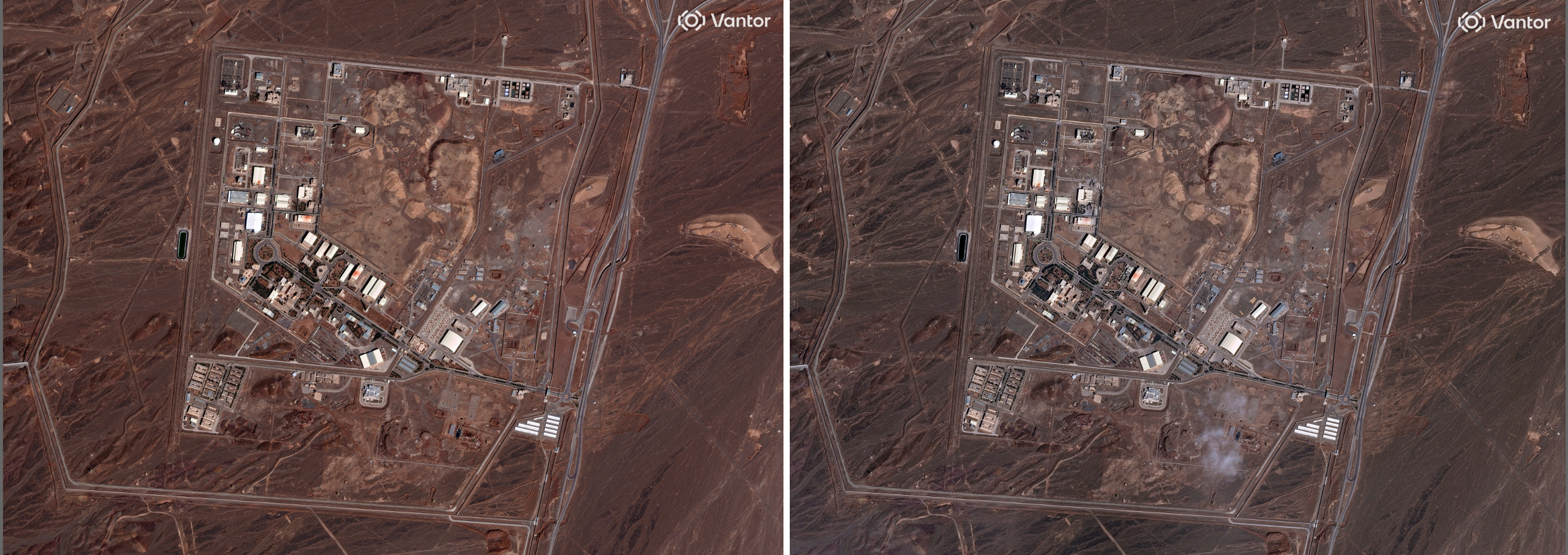
Israel and US strike Iran nuclear sites for first time in war
First strikes on Iran nuclear development sites risk radiological accident
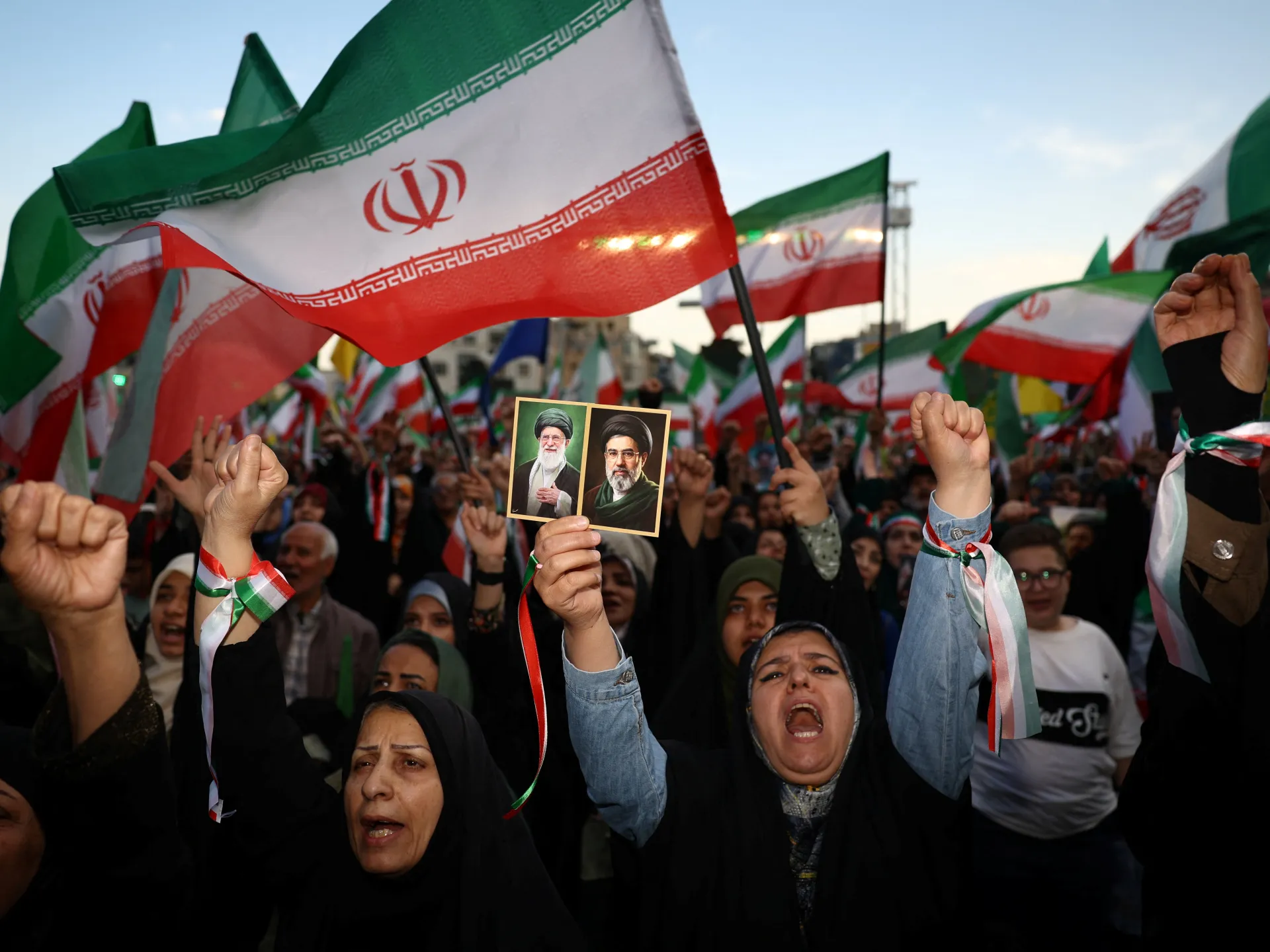
Trump launches Project Freedom to reopen Strait of Hormuz
15,000 US troops move to free 2,000 ships blocked by Iran
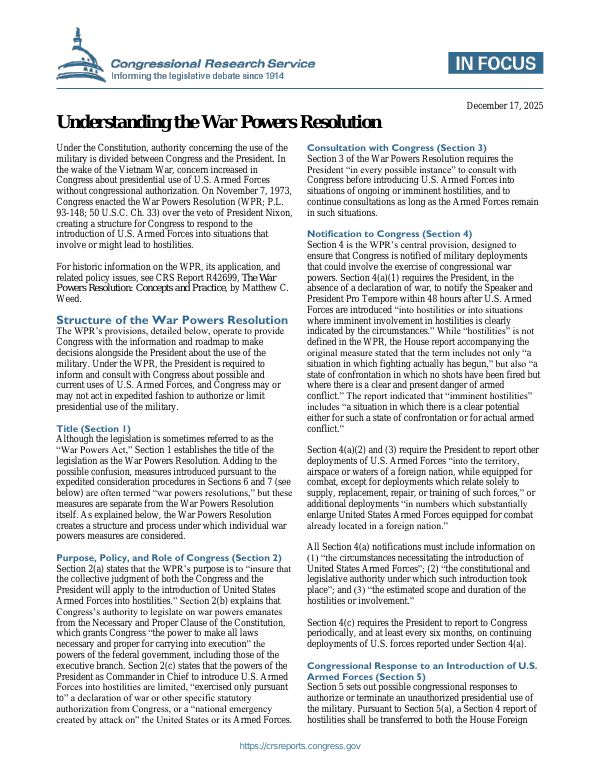
Iran-US ceasefire expires April 22 after Islamabad talks collapse
US-Iran war talks failed after 21 hours and the ceasefire expires in days

Russia feeds Iran satellite data on U.S. troops and ships
Iran's strikes get more precise as a nuclear power joins the war

Iran rejects US peace plan as strike deadline nears and regional escalation risk grows
Tehran rejected a 15 point proposal as an April 6 deadline intensified fears of wider conflict
25 questions
Start the review