National Security · Foreign Policy·February 19, 2026
US and Iran agree on nuclear deal "guiding principles" in Geneva
Two carrier strike groups sit 700km away as Oman shuttles messages

The February 17 Geneva talks were indirect
Iran's Foreign Minister Abbas Araghchi and U.S
Special Envoy Steve Witkoff never sat in the same room Omani diplomats carried messages between the two delegations at Oman's embassy in Switzerland, a format called 'proximity talks' that lets hostile governments negotiate without the political cost of face-to-face meetings.
Iran offered to suspend uranium enrichment for up to three years and move some of its stockpile of 60%-enriched uranium abroad. That falls short of what Trump wants: a complete and permanent halt to enrichment. The gap between a temporary freeze and permanent dismantlement is the central obstacle to any deal.
Iran currently holds over 400 kilograms of uranium enriched to 60% purity, according to a May 2025 IAEA report. Enrichment to 60% completes over 90% of the work needed to reach weapons-grade. The Institute for Science and International Security estimates Iran could produce 25 kg of weapons-grade uranium at Fordow in two to three days from its current stockpile.
The Pentagon positioned two aircraft carrier strike groups near Iran. The USS Abraham Lincoln deployed in late January 2026 with about 90 aircraft and 5,680 crew.
The USS Gerald R. Ford, the Navy's most advanced carrier, followed. Additional forces include guided-missile destroyers, F-35C Lightning IIs, and littoral combat ships in the Persian Gulf and Strait of Hormuz.
While negotiating in Geneva, Iran was simultaneously fortifying its nuclear sites. Satellite imagery from February 10 showed dump trucks and cement mixers pouring concrete over tunnel entrances at Natanz.
The 'Pickaxe Mountain' facility south of Natanz is being excavated 80-100 meters into granite. The Parchin military complex has a new facility encased in what analysts describe as a 'concrete sarcophagus.'
U.S. sanctions have cut Iran's oil exports by over 60% since 2018, costing tens of billions in annual revenue. But the economic pain falls heavily on civilians: GDP per capita dropped 35% between 2012-2014, inflation hit 38%, and UNICEF reports that sanctions cause medicine shortages, rising child poverty, and eroded real incomes for the poorest 40% of Iranians.
Trump has used 'maximum pressure' since returning to office in January 2025, combining crippling sanctions with the largest Middle East military buildup in years. He sent a letter to Supreme Leader Ali Khamenei setting a two-month deadline for a deal. Witkoff and Jared Kushner told Trump that history shows it is 'difficult, if not impossible' to reach a good deal with Iran, according to U.S. officials.
The constitutional question here is significant
The 2015 JCPOA was structured as an executive agreement, not a treaty, so Obama didn't need Senate ratification
Trump withdrew from it unilaterally in 2018 Any new deal faces the same vulnerability: the next president can tear it up Since the 1980s, only about 6% of U.S. international agreements went through the Senate as formal treaties.
Related Topics
6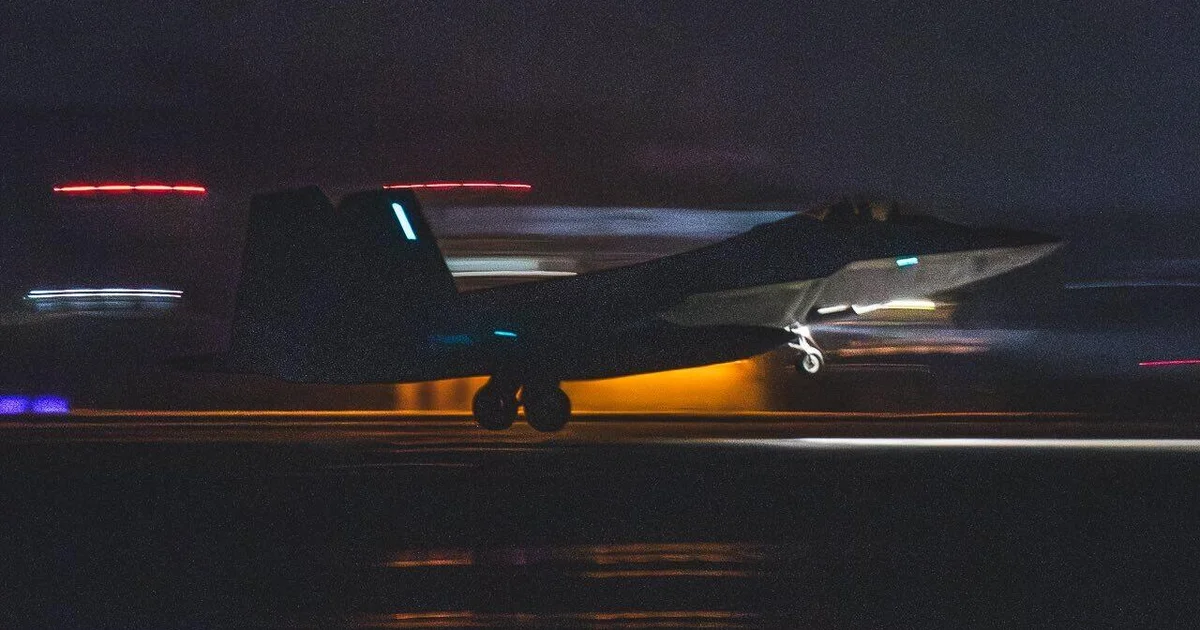
US military prepares weeks long Iran campaign not one off strike officials confirm
Two carriers mass in Arabian Sea as Trump warns Iran of deal-or-war choice

Trump gives Iran ten day deadline as military forces mass in Persian Gulf
Trump sets military ultimatum without War Powers notification to Congress
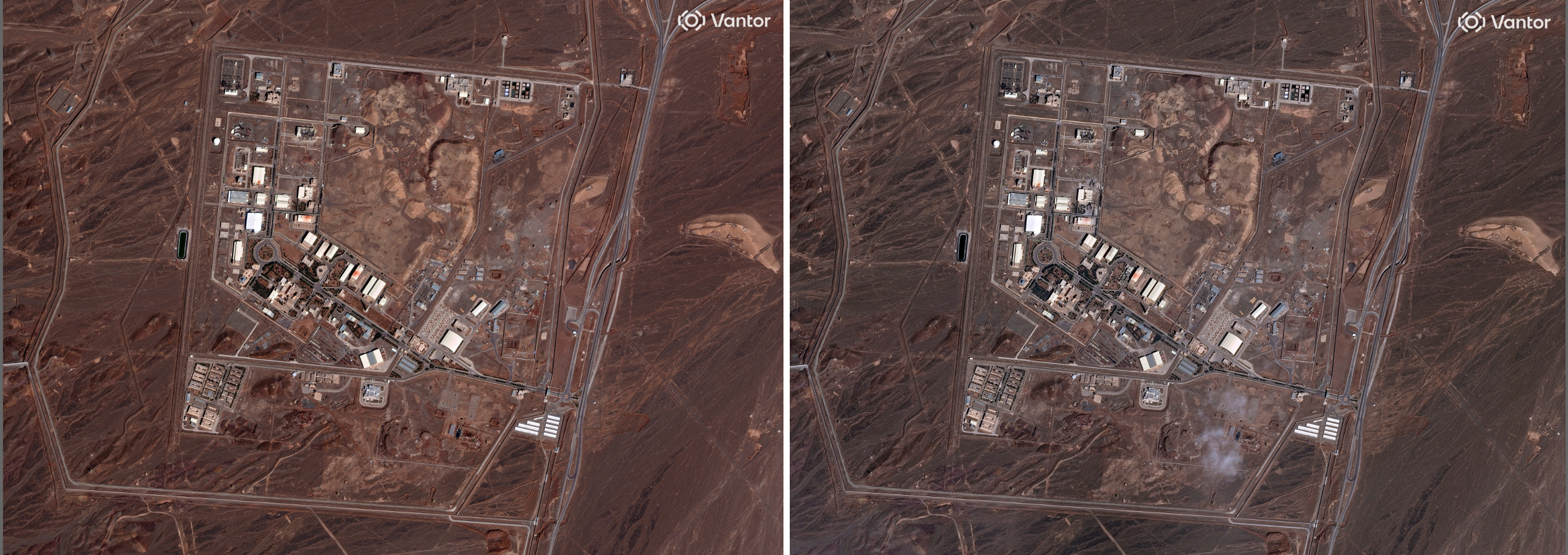
Israel and US strike Iran nuclear sites for first time in war
First strikes on Iran nuclear development sites risk radiological accident
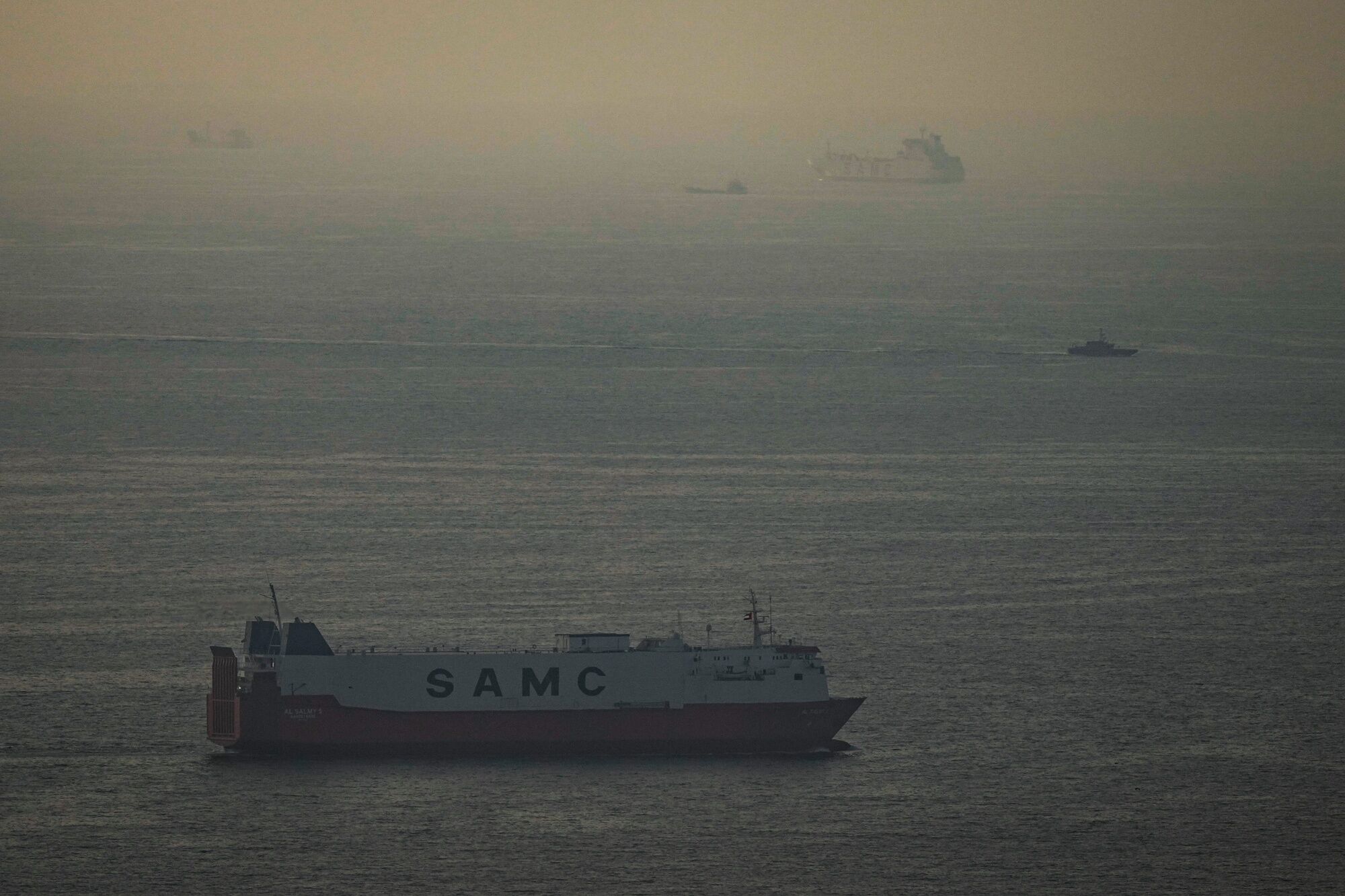
Trump gives Iran 48-hour ultimatum, threatens power plants
Iran warns it will mine the Gulf and permanently close the Strait of Hormuz if power plants are targeted

US weighs special forces raid to seize Iran's uranium
A uranium stockpile big enough for 11 nuclear bombs is missing underground
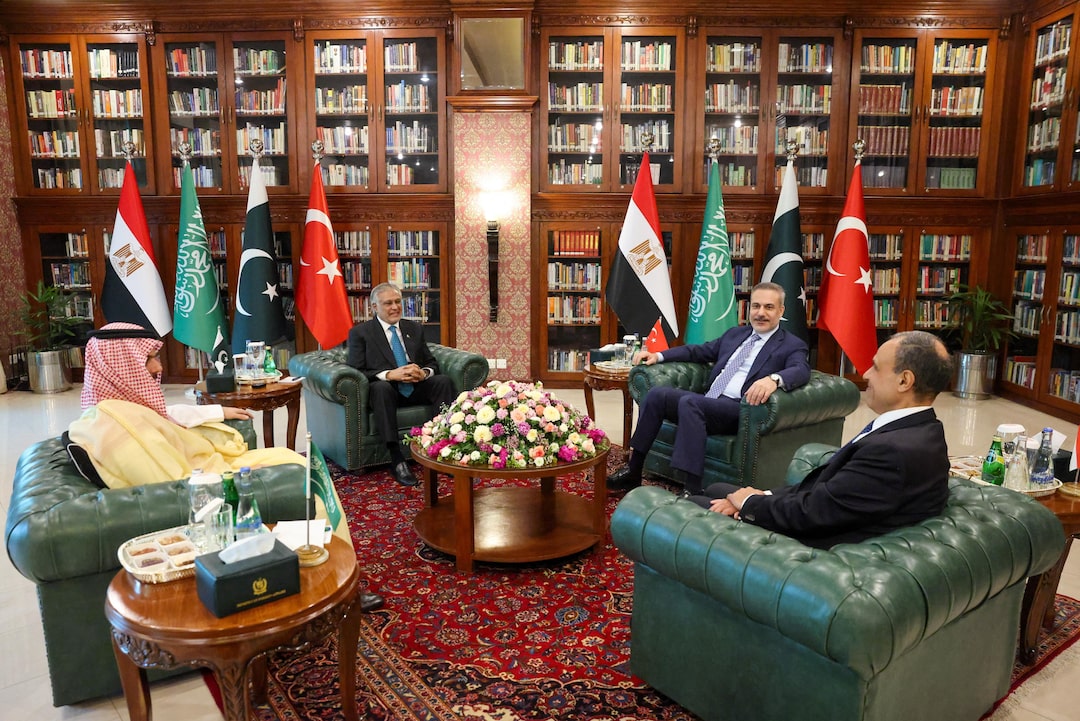
Pakistan hosts Saudi, Turkey, Egypt in Islamabad Iran war talks
Four nations push Iran-US talks in Islamabad as 82nd Airborne deploys
20 questions
Start the review