Judicial Review · National Security · Constitutional Law · Foreign Policy·March 31, 2026
Iran president signals willingness to end war as Pakistan and China coordinate peace mediation
Iran signals it wants to end war, Pakistan and China coordinate mediation

Related Topics
6
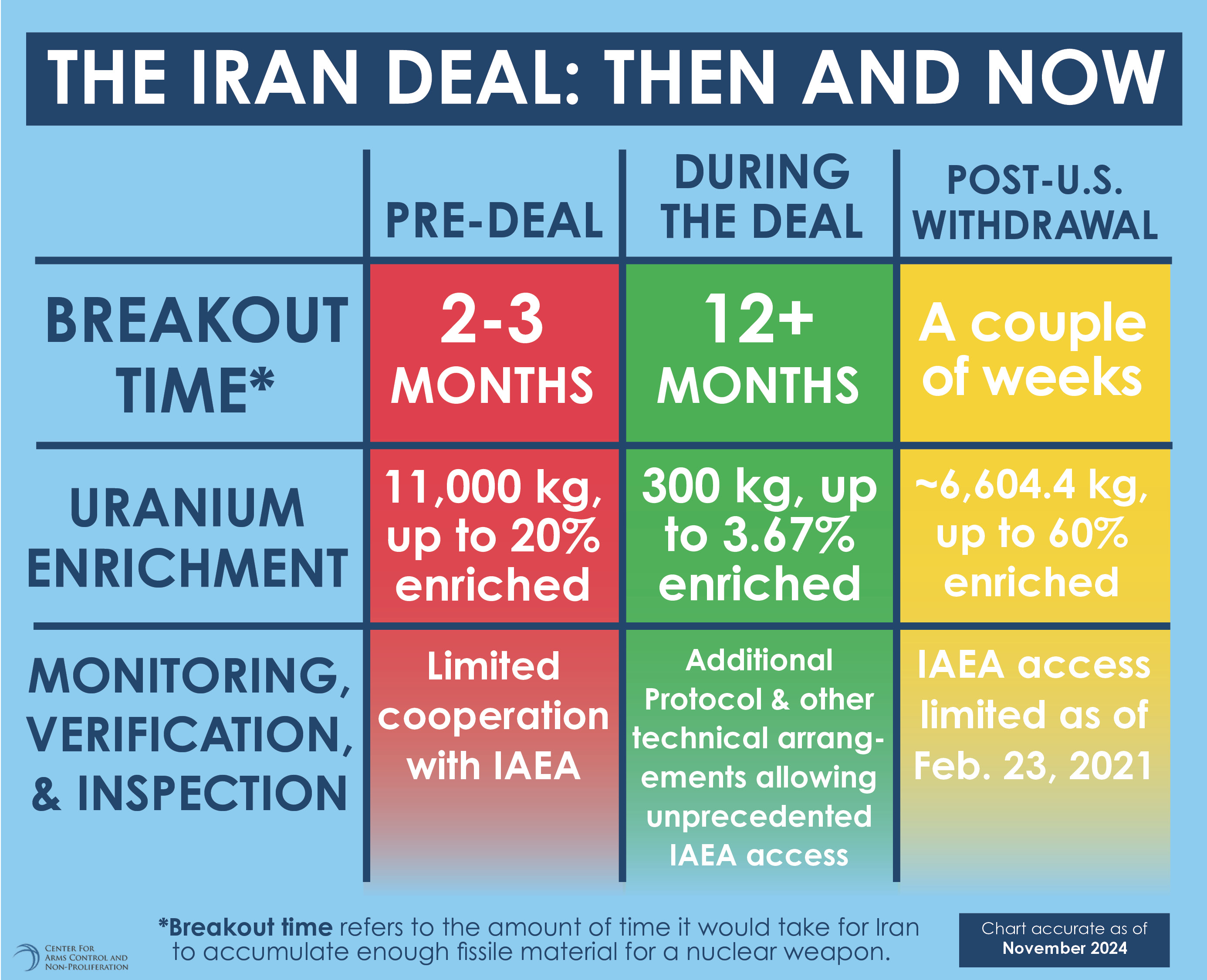
US and Iran resume nuclear talks as two carrier strike groups mass in Persian Gulf
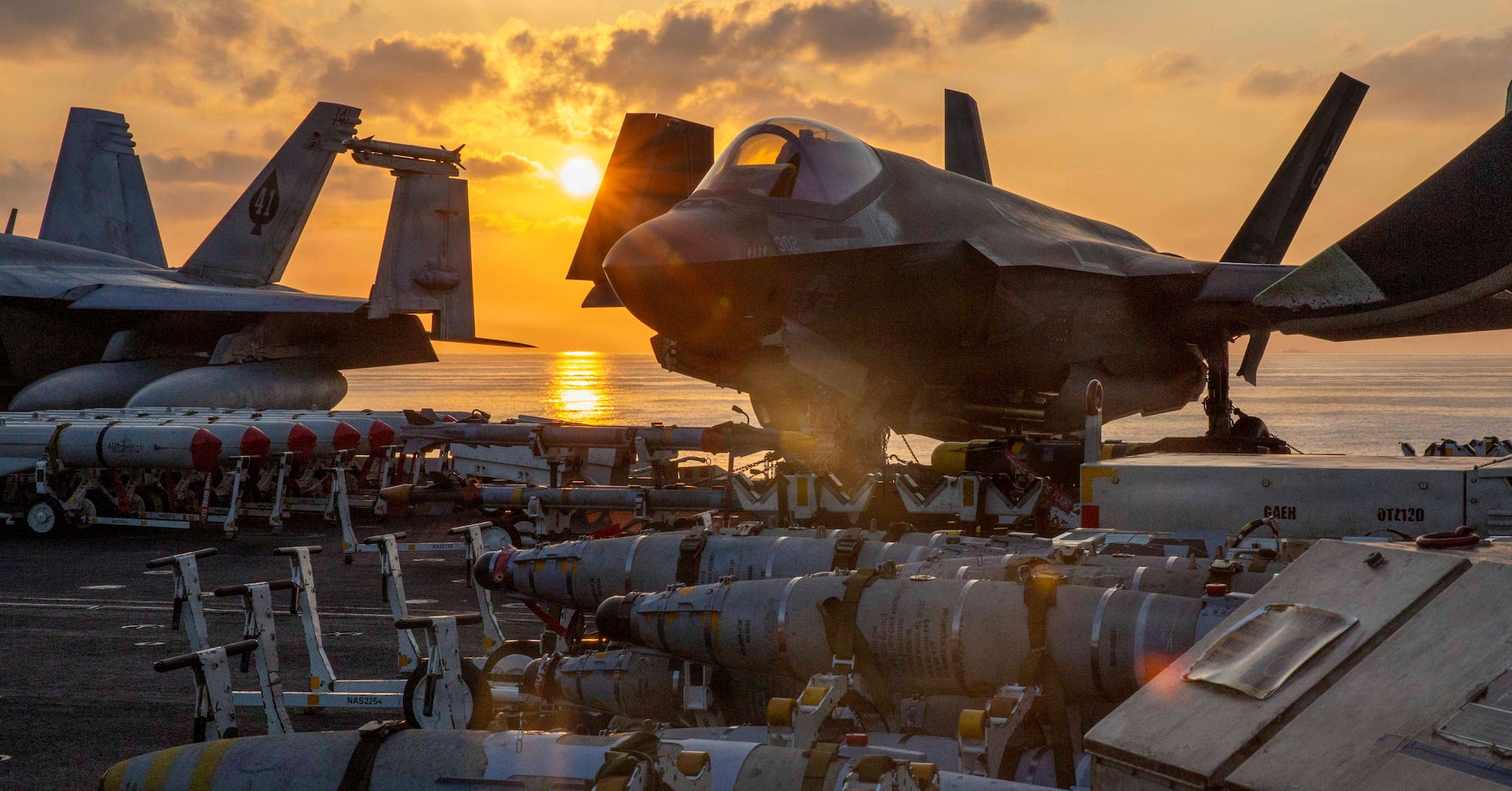
US deploys F-22s to Israel for first time, two carrier groups now in region

US and Israel launch Operation Epic Fury seeking regime change in Iran
Over 30 Iranian sites hit, 57 killed at girls school in southern Iran
US deploys F-22 fighters to Israel for first time amid escalating Iran tensions
Largest U.S. military buildup in the Middle East since the 2003 Iraq invasion
House rejects Iran war powers 219-212 as four Democrats side with Trump, cementing unilateral presidential war authority
Four Democrats crossed the aisle to help kill the measure, Congress has not declared war since 1942
Congress scrambles to vote on war powers after Iran strikes begin
Bipartisan resolution demands Trump get Congress approval for Iran war

Iran elects Mojtaba Khamenei supreme leader under IRGC pressure
The Revolutionary Guard selection follows the same pattern used to install his father in 1989
25 questions
Start the review