Public Health · Foreign Policy·January 11, 2026
Israel bars Doctors Without Borders, 40+ groups from Gaza
International medical staff barred as local teams face supply shortages

Israel announced on Dec. 30, 2025, it would suspend 37 international humanitarian organizations—including Doctors Without Borders (MSF)—from operating in Gaza and the occupied West Bank, effective Jan. 1, 2026. Israel stated the ban resulted from groups failing to meet new security and transparency requirements, including providing full lists of Palestinian employees. Israel accused some local MSF staffers of having ties to Hamas and Islamic Jihad, which MSF denies. The ban prevented organizations from bringing in international staff or aid. On February 27, 2026, the Israeli High Court issued a temporary injunction that froze the cease operations order after more than 15 groups lodged an appeal. Ten countries warned about renewed humanitarian suffering as the ban coincided with harsh winter conditions. The U.N. and European Union urged Israel to reverse the decision.
Key facts
On Dec. 30, 2025, Israel's Ministry of Diaspora Affairs announced it will suspend more than 40 humanitarian organizations—including Doctors Without Borders (MSF)—from operating in Gaza and the occupied West Bank, effective Jan. 1, 2026. The ban prevents these groups from bringing in international staff or aid shipments.
Israel stated the ban resulted from organizations failing to comply with new registration requirements for NGOs in Gaza. These rules required groups to provide full lists of their Palestinian employees' names, details on funding and operations, and included ideological requirements that disqualified groups critical of Israel or supportive of boycotts or international court cases against Israeli leaders.
Doctors Without Borders disputed Israel's claims, stating they received "no updates" about the registration process and that reports suggesting they failed to comply were inaccurate. MSF said the loss of access would be a disaster for Palestinians needing lifesaving healthcare. MSF treated approximately one million people in Gaza in 2025.
Israel specifically accused MSF of failing to clarify the roles of some staff members whom Israel alleged cooperated with Hamas or Islamic Jihad. MSF denies these accusations and maintains it is an independent, neutral medical organization that does not affiliate with militant groups or governments.
The ban forces remaining aid organizations to rely entirely on local staff without the ability to rotate in international personnel. Aid groups warned this severely limits their capacity to deliver medical care, humanitarian assistance, and disaster response in Gaza, where infrastructure has been devastated.
Ten nations issued warnings about renewed "catastrophic" humanitarian crisis in Gaza as the ban took effect amid harsh winter conditions. Relief groups stated that removing these major humanitarian organizations will lead to increased illness, malnutrition, and preventable deaths among Gaza's civilian population.
Aid groups criticized the new requirements as "vague, politicized and impossible to meet," arguing they appeared designed to exclude organizations that documented human rights concerns or advocated for Palestinian rights. The ideological litmus tests required groups to avoid any criticism of Israeli government policies as a condition of operating.
Related Topics
2🏛️
Hamas agrees to dissolve Gaza government under Trump plan
Hamas announced on Jan. 11, 2026, it will dissolve its Gaza government once a Palestinian technocratic leadership committee takes over, as required by the U.S.-brokered peace plan. The move prepares for Trump's "Board of Peace"—an international body meant to oversee Gaza governance, disarm Hamas, and manage reconstruction. However, Hamas didn't specify when this transition will occur, and three months after Trump unveiled his plan in Oct. 2025, the ceasefire remains stuck in its first phase. Bulgarian diplomat Nickolay Mladenov was selected as the board's director-general. Hamas indicated it won't disarm until Israel agrees to a path for establishing a Palestinian state. Trump pushed in Dec. 2025 for rapid implementation of the plan's second phase, which includes complete Israeli military withdrawal and Hamas disarmament. Trump was set to announce Board of Peace members on Jan. 14, 2026, likely including leaders from Qatar, Egypt, UAE, UK, US, Germany, and Italy.
100% match
13 questions
💥
US and Israel launch Operation Epic Fury seeking regime change in Iran
On February 28, 2026, the United States and Israel launched coordinated military strikes on Iran, a joint operation the Pentagon named "Operation Epic Fury" and Israel called "Operation Roaring Lion." The strikes hit over 30 sites including areas near Tehran, Isfahan, Qom, Karaj, and Kermanshah, targeting Iran's missile infrastructure, military headquarters, and senior IRGC commanders. President Trump announced the attacks in an eight-minute video on Truth Social, calling them "major combat operations" and urging Iranians to "take over your government." Iran retaliated within hours, firing ballistic missiles and drones at Israel and U.S. military bases in Bahrain, Kuwait, Qatar, and Saudi Arabia. The strikes followed the collapse of the latest round of nuclear negotiations: just one day earlier, Oman's foreign minister had declared peace was "within reach" after Iran agreed to degrade its enriched uranium stockpiles. This is the second time the Trump administration launched military action against Iran in eight months, following the 12-day war in June 2025 that significantly weakened Iran's air defenses and nuclear infrastructure. At least 57 people were killed when an Israeli strike hit an elementary school in southern Iran, according to Iran's state-run IRNA news agency.
91% match
24 questions
Related
Categories that may be relevant to you
5 topics available

May 23, 2026
DOJ scrubs hundreds of Jan. 6 prosecution records from website
May 22, 2026
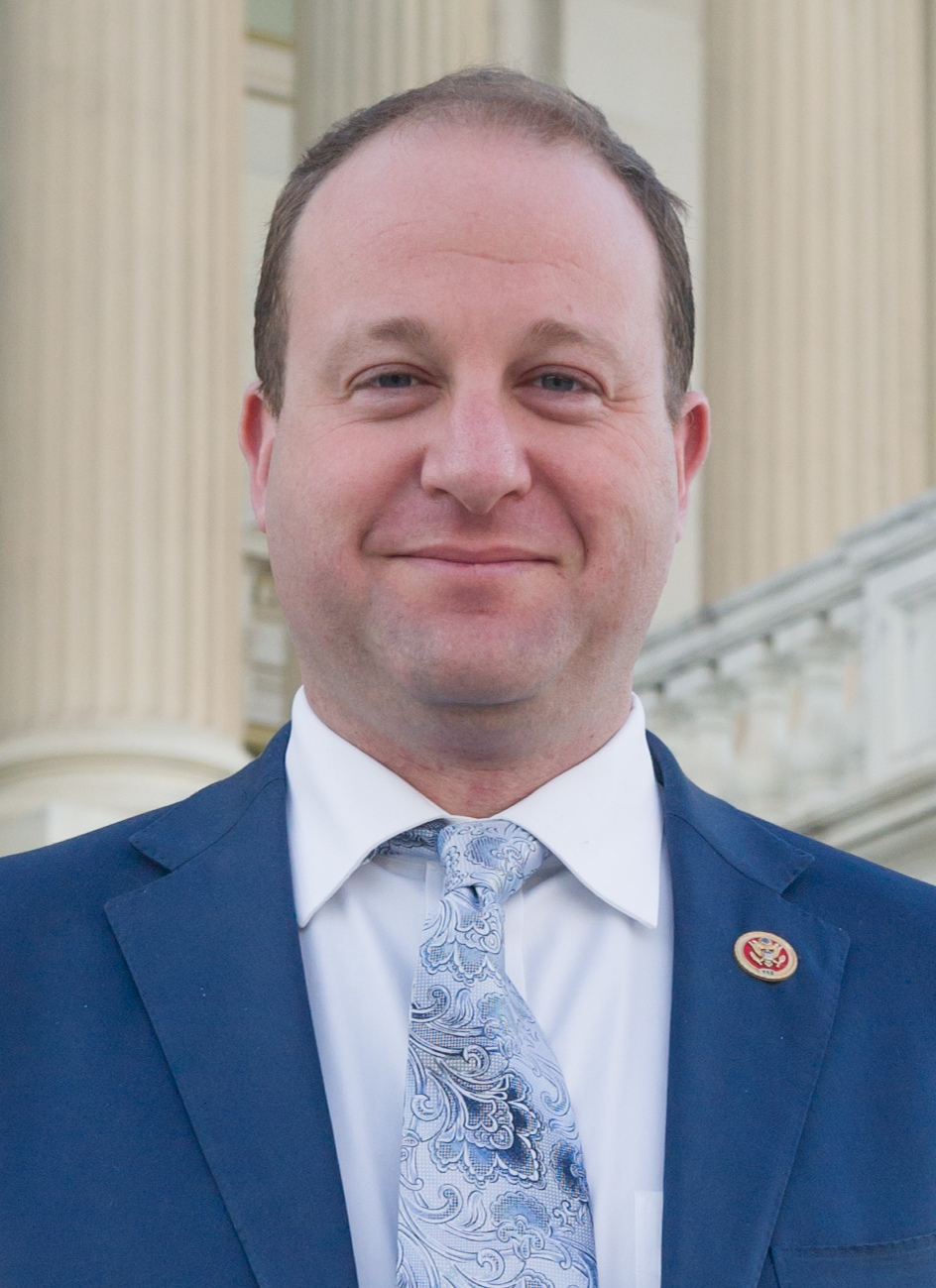
Colorado closes legal gap for defendants found unfit to stand trial
🔍
May 22, 2026
FTC fines Cox Media Group $930K for fake AI listening ad service

May 22, 2026
Warsh sworn in as Fed chair at White House in first such ceremony since 1987
May 22, 2026
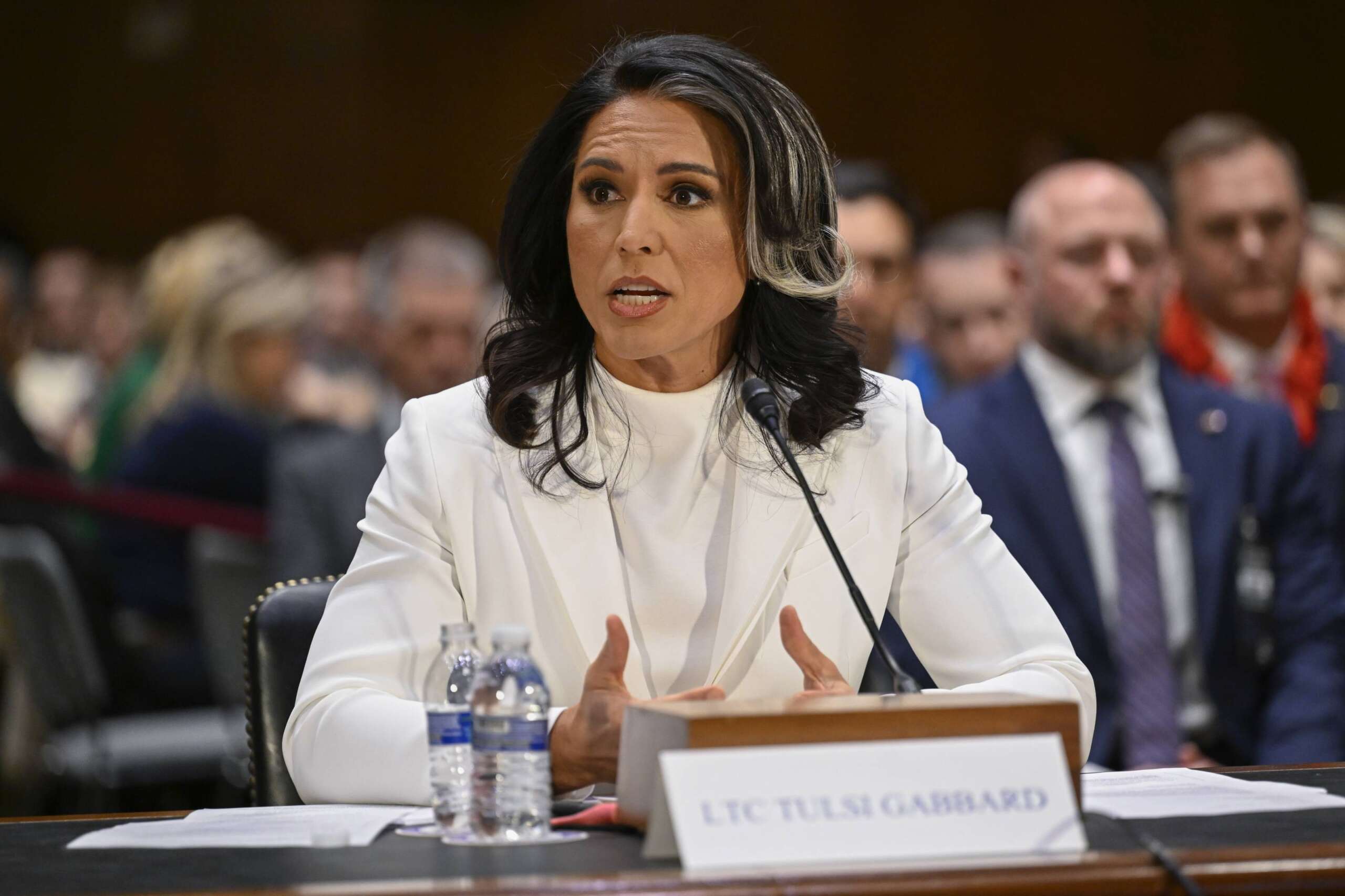
Gabbard resigns as director of national intelligence
View All Government Topics
770 topics
20 questions
Start the review