Civil Rights · Elections·May 16, 2026
Louisiana holds Senate primary while House races remain suspended
42,000 ballots voided as Louisiana holds partial primary under redistricting freeze

On May 16, 2026, Louisiana voters cast ballots in the state's Republican Senate primary between incumbent  Bill Cassidy and Trump-backed challenger Julia Letlow, while all six U.S. House primary races sat frozen by Governor
  Jeff Landry's April 30 📖executive order. Landry invoked 📖emergency election powers after the Supreme Court's 6-3 ruling in Louisiana v. Callais struck down the state's congressional map as an unconstitutional racial gerrymander. More than 42,000 absentee ballots already cast for House races won't be counted. The state legislature advanced Senate Bill 121 to redraw maps with a 5-1 Republican advantage, eliminating one of two majority-Black districts. House primaries were rescheduled to July 15. This marks the first time a state has held a partial federal election with some congressional races suspended mid-cycle due to 📖redistricting.
Key facts
Louisiana voters went to the polls on May 16, 2026, for a partial federal primary. The Senate Republican primary between incumbent Bill Cassidy, Trump-endorsed Rep. Julia Letlow, and former state Treasurer John Fleming proceeded as scheduled. All six U.S. House primary races remained frozen, still listed on ballots but with .
Secretary of State Nancy Landry confirmed that House candidates' names would appear on the May 16 ballot but that any marks next to those names would be void. Poll workers were instructed to inform voters their House selections wouldn't count.
Governor Jeff Landry signed on April 30, suspending the closed party primaries for all six U.S. House seats. The order cited Louisiana Revised Statutes Title 18, Section 401.1, a provision originally written for natural disasters like hurricanes.
Landry issued the order one day after the Supreme Court's April 29 ruling in Louisiana v. Callais. He stated that allowing elections under an unconstitutional map would . Michael Li, senior counsel at the Brennan Center for Justice, argued the emergency statute was never intended to cancel federal elections due to court rulings, noting that the should have prevented mid-cycle changes.
The Supreme Court ruled 6-3 on April 29, 2026, in Louisiana v. Callais that the state's 2024 congressional map (SB 8) constituted an unconstitutional racial gerrymander. Justice Samuel Alito wrote the majority opinion, joined by Chief Justice Roberts and Justices Thomas, Gorsuch, Kavanaugh, and Barrett. The opinion held that compliance with Section 2 of the 📖Voting Rights Act the state's race-based 📖redistricting.
The ruling significantly narrowed the circumstances under which states can draw majority-minority districts, requiring evidence of a before Section 2 compels race-conscious map-drawing.
More than 42,000 Louisiana voters cast absentee ballots for House races before the suspension took effect. The Secretary of State's office had , a full month before the governor's order. Early voting had been set to begin two days after the 📖executive order.
Gov. Landry dismissed the discarded ballots in a , calling it "not a big deal." The state legislature's 📖redistricting bill formally voided all previously cast House primary ballots.
The NAACP Legal Defense Fund, ACLU, and League of Women Voters of Louisiana filed an on May 1, arguing the governor lacked authority to suspend an election already underway. Three individual voters joined as plaintiffs. A separate suit by the Louisiana Legislative Black Caucus targeted 📖Executive Order 26-038 in .
Neither lawsuit succeeded in blocking the suspension before May 16.
The Louisiana Senate voted 27-10 on May 14 to pass , sponsored by state Sen.  Jay Morris (R-West Monroe). The bill redraws congressional districts to give Republicans a projected 5-1 advantage, up from the current 4-2 split. It eliminates the majority-Black 6th District held by Rep.
 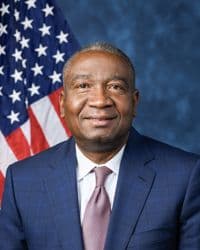 Cleo Fields (D-Baton Rouge).
The remaining majority-Black 2nd District, held by Rep. 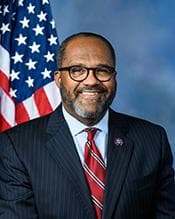 Troy Carter (D-New Orleans), would stretch from New Orleans to a sliver of Baton Rouge. The Senate Governmental Affairs Committee advanced the map on a after nine hours of testimony.
Rep. Troy Carter told PBS NewsHour that Landry's argument about unconstitutional maps was , stating: "No one's asking for extra rights. The reality is we still live in a society where discrimination is real." Carter held a town hall at Dillard University that drew hundreds of attendees.
Rep. Cleo Fields told the same program that the 📖redistricting amounted to voter suppression: "There are people who, in this state and others, just will not vote for a black person for anything." Fields said he wouldn't run against Carter if both were drawn into the same district.
The FEC issued a acknowledging Louisiana's suspension of House primaries, noting that campaign finance reporting deadlines would adjust accordingly. Under the revised schedule, House candidates must requalify in August for new primaries on July 15.
Louisiana shifted from its planned closed party primary system to a jungle primary format for House races, meaning candidates of all parties will appear on the same ballot when voting resumes.
The Heritage Foundation published a , arguing the decision corrected an unconstitutional misuse of the 📖Voting Rights Act that imposed proportional racial representation through 📖redistricting. Sen. Jay Morris echoed this view during floor debate, stating that SB 8's second Black-majority district had been a racial gerrymander from the start.
The Campaign Legal Center, Brennan Center, and Center for American Progress published opposing analyses calling Callais an that would affect 📖redistricting in at least seven Southern states.
Louisiana's partial election is unprecedented in modern American history. No state has previously held a federal election day where some congressional races proceeded while others on the same ballot were suspended due to 📖redistricting. The noted that over 100,000 absentee ballots had been mailed before the suspension.
Democracy Docket reported that the situation created on election day, with some voters unsure whether to mark House races and poll workers providing inconsistent guidance across parishes.
Related Topics
2🗳️
Louisiana committee advances map to erase majority-Black district
On May 21, 2026, the Louisiana House and Governmental Affairs Committee voted 10-7 along party lines to advance Senate Bill 121, a congressional redistricting plan that creates a 5-1 Republican-majority map and eliminates the majority-Black 6th Congressional District held by Democratic Rep. Cleo Fields. The committee vote came three weeks after the U.S. Supreme Court ruled 6-3 in Louisiana v. Callais that the state's previous two-majority-Black-district map was an unconstitutional racial gerrymander. Republicans, citing Callais, used the ruling to justify redrawing lines that would reduce Black congressional representation from two districts to one. The bill, authored by Sen. Jay Morris (R-West Monroe), passed the Louisiana Senate 27-10 on May 14, 2026. It still needs full House approval before going to Gov. Jeff Landry. If enacted, the map would end a decade-long legal fight by Black voters to secure a second majority-Black seat — a fight that produced two Supreme Court rulings.
92% match
30 questions
🗺️
Mississippi governor cancels redistricting session after court ruling
Gov. Tate Reeves canceled a special legislative session on May 13, 2026, removing the immediate threat to Mississippi's congressional map two months after voters already chose their primary candidates. The session was originally called to redraw state Supreme Court districts after a federal judge ordered new lines under the Voting Rights Act. But the 5th Circuit Court of Appeals vacated that order on May 11, citing the U.S. Supreme Court's April 29 decision in Louisiana v. Callais that narrowed Section 2 protections. Trump and Republican lawmakers had pressured Reeves to add congressional redistricting to the session agenda, targeting Rep. Bennie Thompson's majority-Black 2nd District. Reeves refused the expansion, citing logistical constraints from the March 10 primaries already completed. The cancellation handed Democrats a temporary reprieve in the broader Southern redistricting push but left the door open for map changes before 2027 statewide elections.
91% match
38 questions
Related
Categories that may be relevant to you
5 topics available

May 23, 2026
DOJ scrubs hundreds of Jan. 6 prosecution records from website
🔍
May 22, 2026
FTC fines Cox Media Group $930K for fake AI listening ad service
May 22, 2026
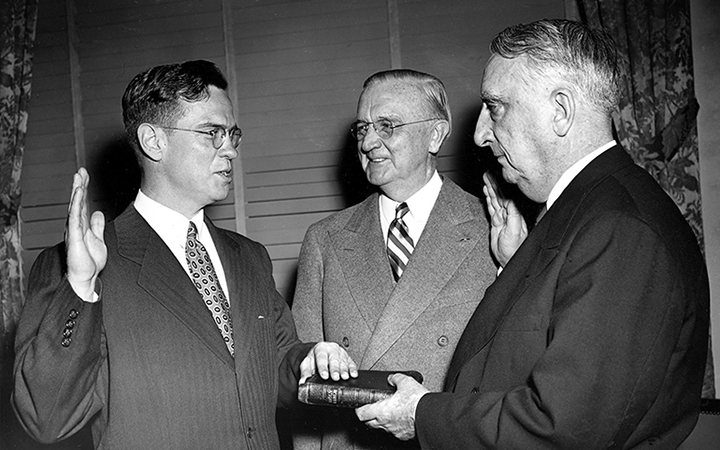
Warsh sworn in as Fed chair at White House in first such ceremony since 1987
May 22, 2026
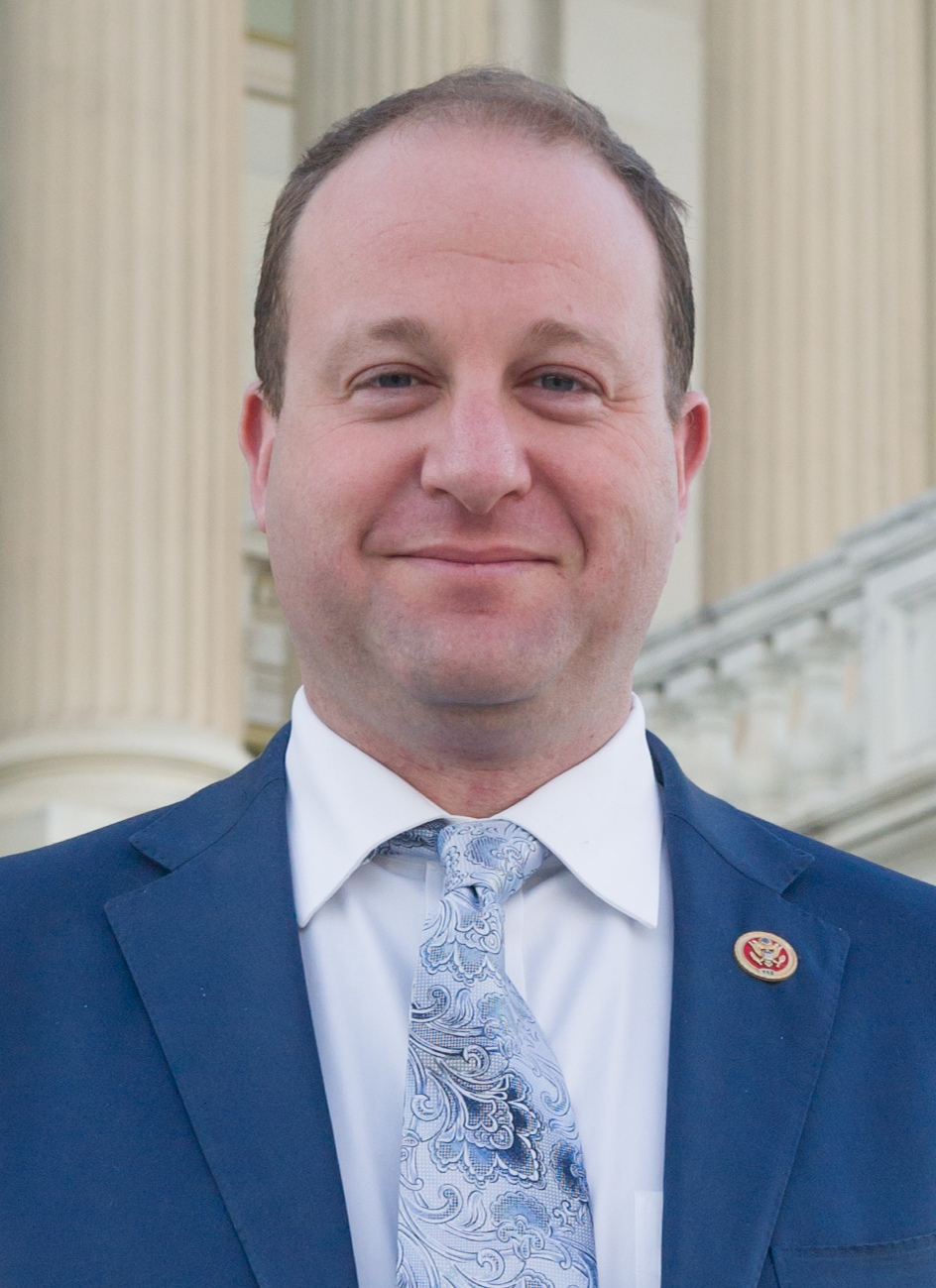
Colorado closes legal gap for defendants found unfit to stand trial
May 22, 2026
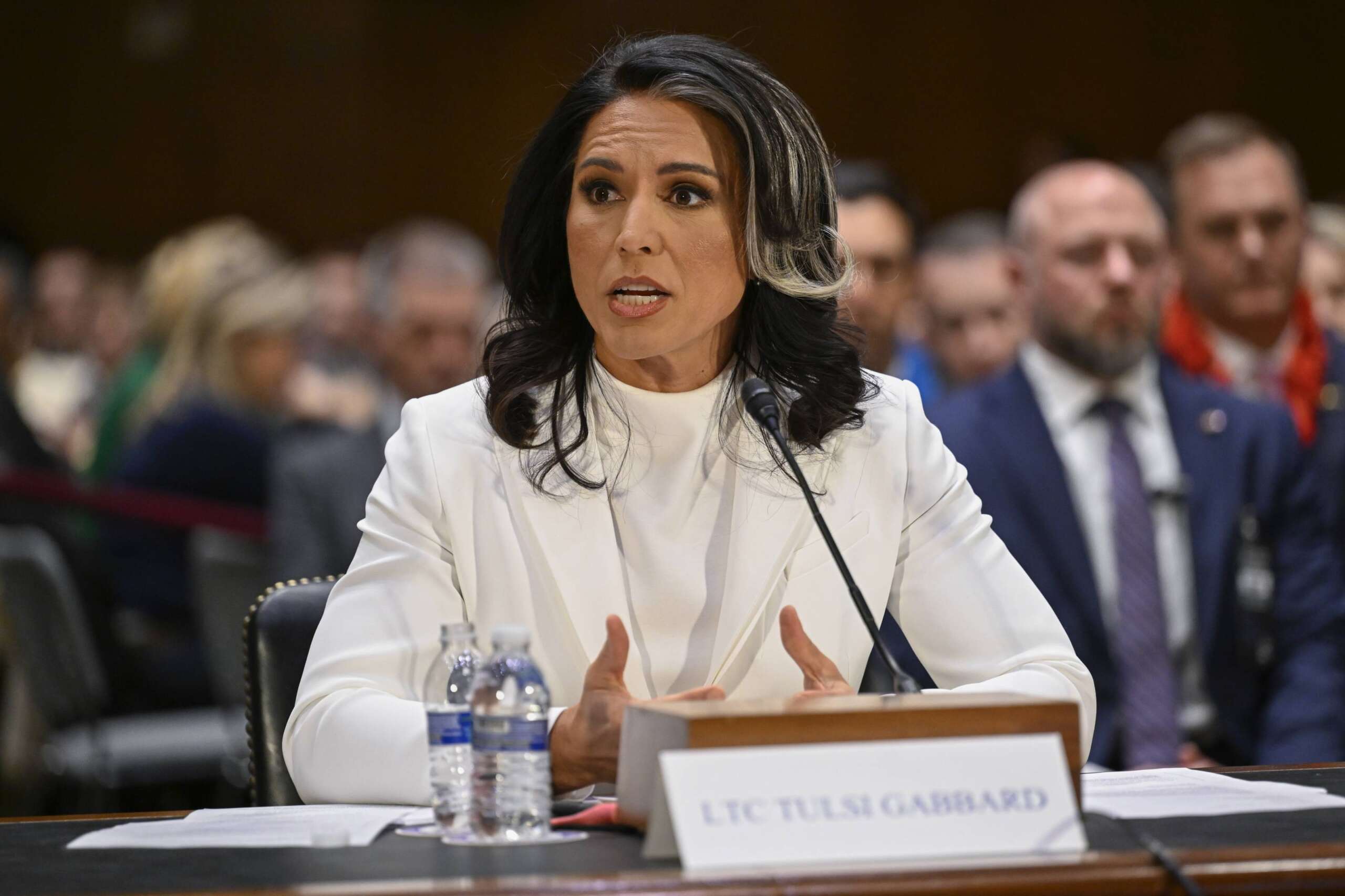
Gabbard resigns as director of national intelligence
View All Government Topics
770 topics
26 questions
Start the review