GovernmentEconomyLegislative Process
November 13, 2025Đợt đóng cửa chính phủ 43 ngày kết thúc khi Trump ký dự luật cấp ngân sách sau cuộc đối đầu lịch sử
Longest shutdown in U.S. history ends with a deal that funds the government for just 11 weeks

President Trump signed H.R. 5371 the night of Nov. 12, 2025, ending a shutdown that began Oct. 1 and ran 43 days, the longest in U.S. history. The measure became Public Law 119-37 and broke the old record of 35 days, set during the 2018-2019 shutdown that Trump also presided over. The House cleared the bill 222-209 hours before he signed it.
Republicans hold 53 Senate seats, short of the 60 votes needed to end a filibuster, so they couldn't reopen the government without Democratic help. Senate Democrats blocked the GOP funding bill 14 times before eight members of their caucus broke ranks on Day 40. Catherine Cortez Masto, Dick Durbin, John Fetterman, Maggie Hassan, Tim Kaine, Angus King, Jacky Rosen and Jeanne Shaheen voted to advance the deal, and the Senate passed it 60-40. Rand Paul was the only Republican to vote no.
The deal funds most agencies at 2025 levels through Jan. 30, 2026, an 11-week stopgap that sets up another shutdown threat. It also locks in full-year money for three of the 12 annual spending bills: $153.3 billion for the VA and military construction, which includes $133.2 billion for the VA, plus $26.7 billion for Agriculture and the FDA, and the legislative branch.
About 670,000 federal workers were furloughed and roughly 730,000 more worked without pay. By the time the shutdown ended, agencies had withheld nearly $14 billion in wages. The 2019 Government Employee Fair Treatment Act guaranteed back pay, but AFGE president Everett Kelley said members were "standing in line to get food, worrying about how they're going to pay their mortgage" while they waited.
OMB Director Russ Vought issued memo M-26-01 late Nov. 12, ordering furloughed employees back to work Nov. 13. During the shutdown his office had pushed agencies to fire workers, sending about 4,200 layoff notices in mid-October. Section 120 of the new law voided every shutdown-era layoff and required reinstatement, and agencies began rescinding more than 3,600 of them. The law also bars new layoffs through Jan. 30.
The fight stranded food aid for the 42 million Americans, about 1 in 8, who rely on SNAP. After the administration said it couldn't pay November benefits, U.S. District Judges John McConnell in Rhode Island and Indira Talwani in Massachusetts ruled on Oct. 31 that the USDA had to tap a roughly $4.65 billion contingency reserve. The USDA then told states to "undo" full payments it had started sending. The final deal funds SNAP through September 2026.
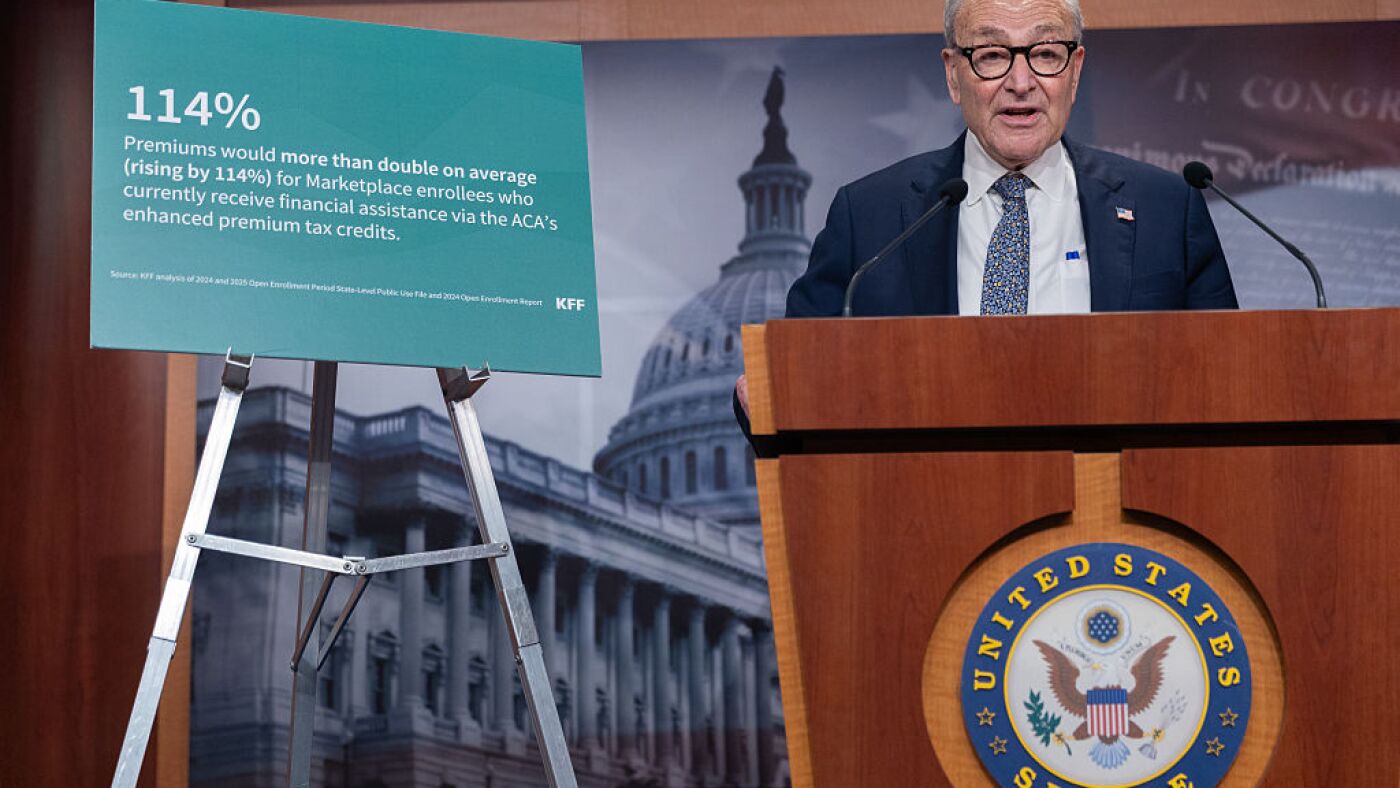
Democrats shut the government to win an extension of the enhanced ACA premium tax credits, and they didn't get it. The credits expired Dec. 31, 2025. KFF estimated that the more than 24 million marketplace enrollees would see what they pay for premiums rise 114% on average, from about $888 to $1,904 a year. Majority Leader John Thune promised only a December vote. On Dec. 11 the Senate rejected both a Democratic extension and a Republican alternative, each 51-48, and the subsidies lapsed.
Air travel buckled. Transportation Secretary Sean Duffy and FAA Administrator Bryan Bedford ordered airlines to cut flights at 40 of the busiest airports, ramping from 4% on Nov. 7 toward 10%. Controllers had to work unpaid under the Antideficiency Act, and the system was already short. NATCA president Nick Daniels said staffing had fallen to "the lowest… in decades of only 10,800". The FAA froze the cuts at 6% on Nov. 12 and ended the order Nov. 17.
The Congressional Budget Office estimated the shutdown would permanently cost the economy $7 billion to $14 billion and cut fourth-quarter GDP growth by 1.0 to 2.0 percentage points. White House economist Kevin Hassett said it erased about 60,000 private-sector jobs. Because the Bureau of Labor Statistics couldn't run its October household survey, there's no official unemployment rate for that month, a permanent gap in the economic record.
Negotiators bolted unrelated policy onto the must-pass bill. Mitch McConnell added a provision that bans most consumable hemp THC products by capping them at 0.4 milligrams per container, a ban that takes effect in November 2026. Another clause lets senators sue the government for up to $500,000 per instance when their records are seized without notice, written so eight Republicans whose phone records special counsel Jack Smith subpoenaed could collect. The House voted 426-0 to repeal it, but Lindsey Graham, one of the eight, blocked the repeal in the Senate.
Trump signed the bill and blamed the minority, saying "the Democrats tried to extort our country," then pressed senators to kill the filibuster. "If we had the filibuster terminated, this would never happen again," he told reporters. Ending it would take a Senate rule change that Thune and other Republicans have refused, because the same 60-vote threshold protects their bills when they're in the minority.
Related Topics
6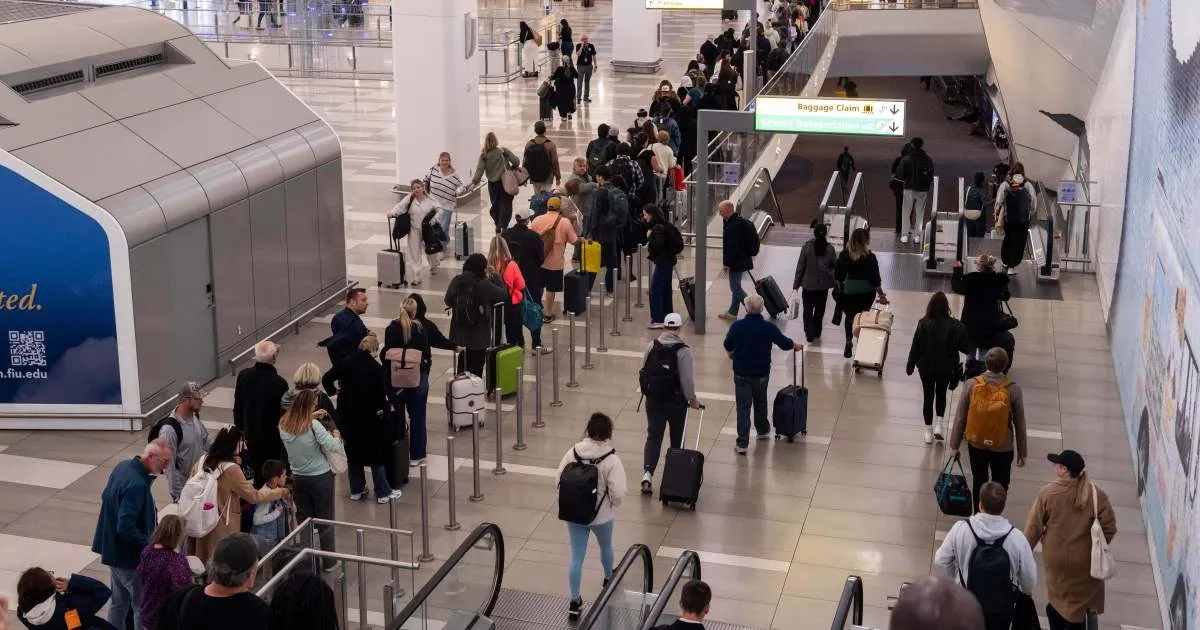
Senate Democrats block CR over ACA subsidies
51-45 vote blocks GOP funding, White House threatens mass layoffs
Government shutdown reaches day 35, ties longest U.S. shutdown
Shutdown ties 2018-2019 record as Senate rejects funding 14 times amid fight over healthcare subsidies
About 750,000 federal workers furloughed as Senate votes fail amid ACA subsidy fight
Republicans control all branches but blame Democrats for shutdown

Senate deadlocks on ACA subsidies, 800,000 workers furloughed
Premiums to spike 75% as Senate blocks subsidy extension
Congress faces September 30 shutdown as Democrats demand leverage
GOP controls Congress but still needs Democratic votes to avoid shutdown
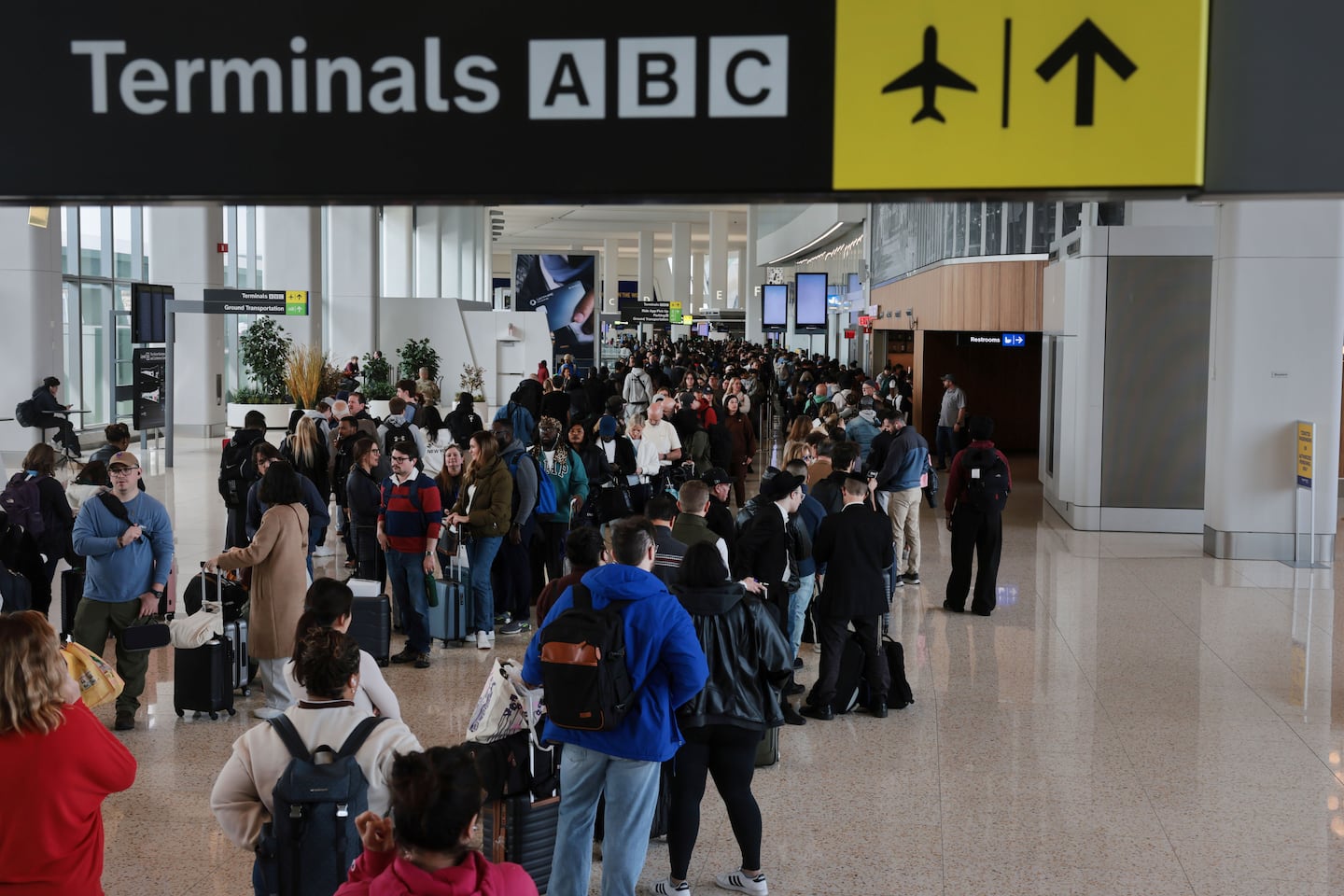
Trump's DHS shutdown hits 44 days, longest in U.S. history
TSA absences topped 40% as the DHS shutdown broke all U.S. records
28 questions
Start the review