Barack Obama, 43rd President

Explore the Obama administration (20092013). View events, executive orders, leadership positions, court cases, and key policy decisions that shaped American governance.

Donald Trump
Current

Donald Trump

2025–Present (2nd term)

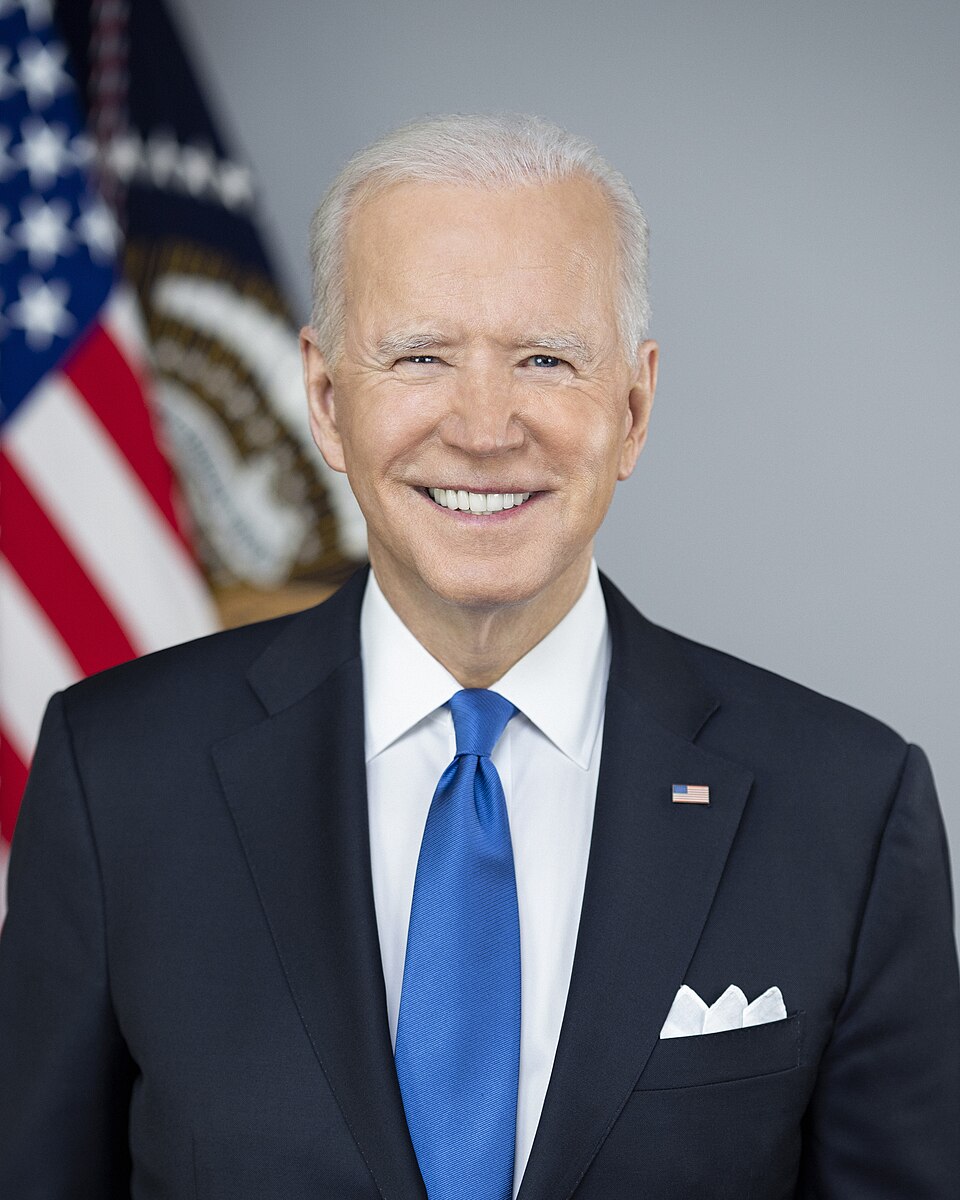
Joe Biden

Joe Biden

2021–2025

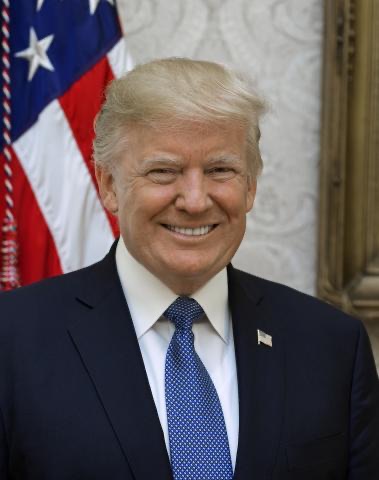
Donald Trump

Donald Trump

2017–2021 (1st term)

👤

Barack Obama

2013–2017 (2nd term)

👤

Barack Obama

2009–2013 (1st term)

👤

George W. Bush

2005–2009 (2nd term)

👤

George W. Bush

2001–2005 (1st term)

👤

Bill Clinton

1997–2001 (2nd term)

👤

Bill Clinton

1993–1997 (1st term)

👤

George H.W. Bush

1989–1993

👤

Ronald Reagan

1985–1989 (2nd term)

👤

Ronald Reagan

1981–1985 (1st term)

👤

Jimmy Carter

1977–1981

👤

Gerald Ford

1974–1977

👤

Richard Nixon

1969–1974

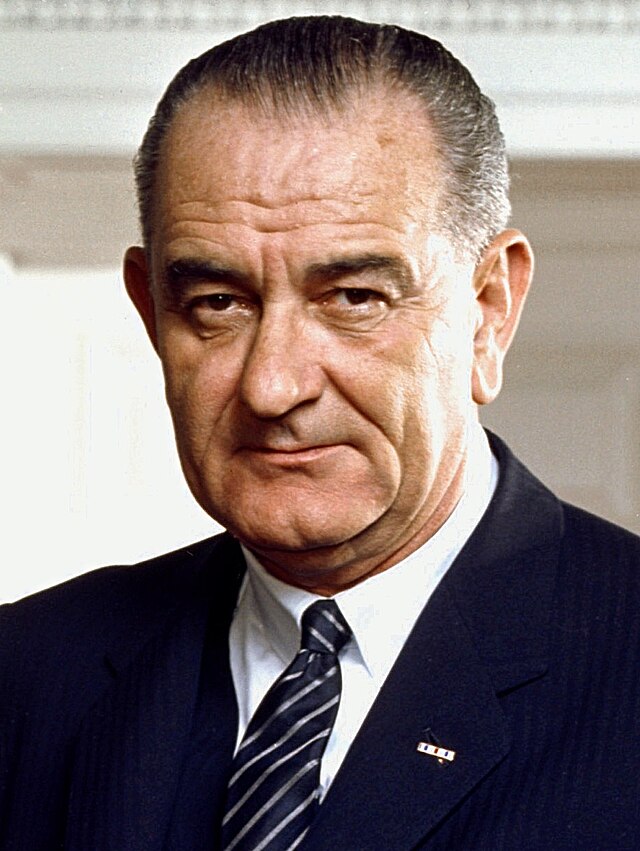
Lyndon B. Johnson

Lyndon B. Johnson

1965–1969 (2nd term)

Lyndon B. Johnson

Lyndon B. Johnson

1963–1965 (1st term)

👤

John F. Kennedy

1961–1963

👤

Dwight Eisenhower

1957–1961 (2nd term)

👤

Dwight Eisenhower

1953–1957 (1st term)

👤

Harry S. Truman

1945–1953

👤

Franklin D. Roosevelt

1945–1945 (4th term)

👤

Franklin D. Roosevelt

1941–1945 (3rd term)

👤

Franklin D. Roosevelt

1937–1941 (2nd term)

👤

Franklin D. Roosevelt

1933–1937 (1st term)

👤

Herbert Hoover

1929–1933

👤

Calvin Coolidge

1923–1929

👤

Warren G. Harding

1921–1923

👤

Woodrow Wilson

1917–1921 (2nd term)

👤

Woodrow Wilson

1913–1917 (1st term)

👤

William Howard Taft

1909–1913

👤

Theodore Roosevelt

1905–1909 (2nd term)

👤

Theodore Roosevelt

1901–1905 (1st term)

👤

William McKinley

1901–1901 (2nd term)

👤

William McKinley

1897–1901 (1st term)

👤

Grover Cleveland

1893–1897 (2nd term)

👤

Benjamin Harrison

1889–1893

👤

Grover Cleveland

1885–1889 (1st term)

👤

Chester A. Arthur

1881–1885

👤

James A. Garfield

1881–1881

👤

Rutherford B. Hayes

1877–1881

👤

Ulysses S. Grant

1873–1877 (2nd term)

👤

Ulysses S. Grant

1869–1873 (1st term)

👤

Andrew Johnson

1865–1869

👤

Abraham Lincoln

1865–1865 (2nd term)

👤

Abraham Lincoln

1861–1865 (1st term)

👤

James Buchanan

1857–1861

👤

Franklin Pierce

1853–1857

👤

Millard Fillmore

1850–1853

👤

Zachary Taylor

1849–1850

👤

James K. Polk

1845–1849

👤

John Tyler

1841–1845

👤

William Henry Harrison

1841–1841

👤

Martin Van Buren

1837–1841

👤

Andrew Jackson

1833–1837 (2nd term)

👤

Andrew Jackson

1829–1833 (1st term)

👤

John Quincy Adams

1825–1829

👤

James Monroe

1821–1825 (2nd term)

👤

James Monroe

1817–1821 (1st term)

👤

James Madison

1813–1817 (2nd term)

👤

James Madison

1809–1813 (1st term)

👤

Thomas Jefferson

1805–1809 (2nd term)

👤

Thomas Jefferson

1801–1805 (1st term)

👤

John Adams

1797–1801

👤

George Washington

1793–1797 (2nd term)

👤

George Washington

1789–1793 (1st term)

567 U.S. 519 (2012)5-4majority

National Federation of Independent Business v. Sebelius

NFIB v. Sebelius upheld most of the Affordable Care Act. The Court sustained the individual mandate as a tax but held that Congress could not force states to expand Medicaid by threatening all existing Medicaid funds.

Jun 28, 2012
John RobertsSupreme CourtOyezJustia
ACAindividual mandateMedicaid expansiontaxing power+2 more
567 U.S. 387 (2012)8-3majority

Arizona v. United States

Arizona v. United States held that federal law preempted major parts of Arizona S.B. 1070. The Court struck down state immigration penalties and arrest authority that conflicted with federal law, while allowing the status-check provision to go forward facially.

Jun 25, 2012
Anthony KennedySupreme CourtOyezJustia
S.B. 1070Arizonaimmigration enforcementpreemption+2 more
567 U.S. 460 (2012)5-4majority

Miller v. Alabama

Miller v. Alabama held that mandatory life without parole for juvenile homicide offenders violates the Eighth Amendment. Courts must be able to consider youth and individual circumstances before imposing that sentence.

Jun 25, 2012
Elena KaganSupreme CourtOyezJustia
juvenile life without parolemandatory sentencingEighth Amendmentchildren in prison+1 more
565 U.S. 400 (2012)9-0majority

United States v. Jones

United States v. Jones held that attaching a GPS tracker to a vehicle and using it to monitor the vehicle’s movements is a Fourth Amendment search. The decision revived property-based Fourth Amendment reasoning while also setting up later debates over long-term digital tracking and location privacy.

Jan 23, 2012
Antonin ScaliaSupreme CourtOyezJustia
GPS trackingFourth Amendmentvehicle trackingsurveillance+6 more
565 U.S. 302 (2012)6-2, with Justice Kagan not participatingmajority

Golan v. Holder

Golan v. Holder upheld Congress’s power to restore U.S. copyright protection to certain foreign works that had entered the public domain. The Court rejected Copyright Clause and First Amendment challenges to Section 514 of the Uruguay Round Agreements Act.

Jan 18, 2012
Ruth Bader GinsburgOyezJustiaSCOTUSblog
public domaincopyright restorationURAAforeign works+2 more
564 U.S. 721 (2011)5-4majority

Arizona Free Enterprise Club’s Freedom Club PAC v. Bennett

Arizona Free Enterprise Club v. Bennett held that Arizona’s public-campaign-financing matching-funds provision violated the First Amendment. The Court said the law burdened privately financed candidates and independent groups by giving money to their publicly financed opponents when they spent more.

Jun 27, 2011
John RobertsOyezJustiaSCOTUSblog
Arizona Clean Elections Actmatching fundspublic financingFirst Amendment+2 more
564 U.S. 410 (2011)8-0majority

American Electric Power Co. v. Connecticut

American Electric Power v. Connecticut held that the Clean Air Act displaces federal common-law nuisance claims seeking greenhouse-gas emissions caps from power plants. The ruling left climate regulation to EPA under the statute rather than federal common law.

Jun 20, 2011
Ruth Bader GinsburgOyezJustiaSCOTUSblog
greenhouse gasesClean Air Act displacementEPA authorityclimate litigation+1 more
563 U.S. 333 (2011)5-4majority

AT&T Mobility LLC v. Concepcion

AT&T Mobility v. Concepcion held that the Federal Arbitration Act preempts state rules that invalidate many class-action waivers in arbitration agreements. The decision strengthened corporate use of individual arbitration clauses and limited consumer class actions.

Apr 27, 2011
Antonin ScaliaOyezJustiaSCOTUSblog
forced arbitrationclass-action waiverFAA preemptionconsumer contracts+1 more
561 U.S. 742 (2010)5-4plurality

McDonald v. City of Chicago

McDonald v. City of Chicago held that the Second Amendment applies to state and local governments through the Fourteenth Amendment. The ruling incorporated the individual gun-rights holding from Heller against the states, while leaving many questions about permissible gun regulation for later cases.

Jun 28, 2010
Samuel AlitoSupreme CourtOyezJustia
Second Amendment incorporationChicago handgun banHellerPrivileges or Immunities Clause+2 more
558 U.S. 310 (2010)5-4majority

Citizens United v. Federal Election Commission

Citizens United held that the government cannot ban independent political spending by corporations and unions because of the speaker's identity. The decision struck down federal limits on corporate and union independent expenditures for electioneering communications, while leaving disclosure and disclaimer requirements in place. It did not authorize direct corporate contributions to candidates.

Jan 21, 2010
Anthony M. KennedySupreme CourtOyezJustia
first-amendmentcampaign-financeelection-lawcorporate-speech+6 more
556 U.S. 662 (2009)5-4majority

Ashcroft v. Iqbal

Ashcroft v. Iqbal held that federal complaints must plead factual matter that makes a claim plausible. The Court also held that senior officials cannot be held liable for subordinates’ actions based only on supervisory status. The ruling reshaped federal civil litigation by making early dismissal easier.

plausibility pleadingTwiqbalBivenssupervisory liability+2 more