George W. Bush, 42nd President

Explore the Bush administration (20052009). View events, executive orders, leadership positions, court cases, and key policy decisions that shaped American governance.

Donald Trump
Current

Donald Trump

2025–Present (2nd term)

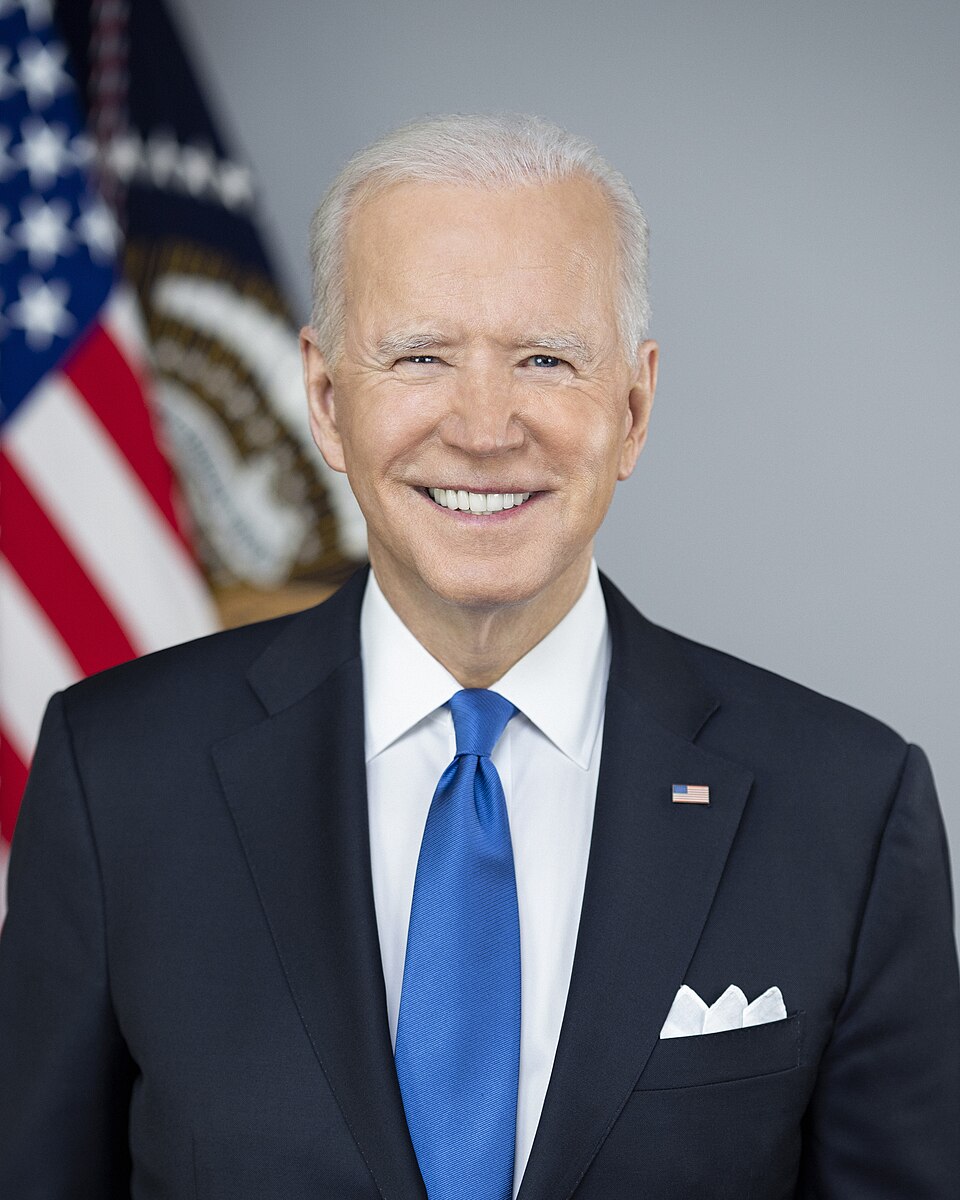
Joe Biden

Joe Biden

2021–2025

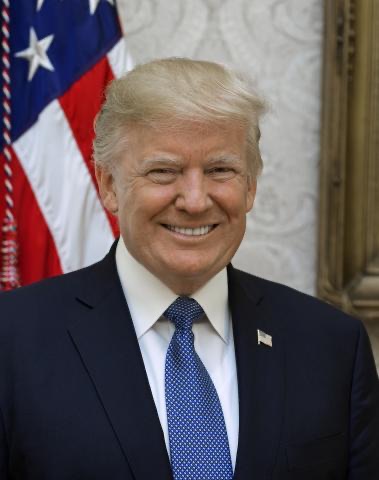
Donald Trump

Donald Trump

2017–2021 (1st term)

👤

Barack Obama

2013–2017 (2nd term)

👤

Barack Obama

2009–2013 (1st term)

👤

George W. Bush

2005–2009 (2nd term)

👤

George W. Bush

2001–2005 (1st term)

👤

Bill Clinton

1997–2001 (2nd term)

👤

Bill Clinton

1993–1997 (1st term)

👤

George H.W. Bush

1989–1993

👤

Ronald Reagan

1985–1989 (2nd term)

👤

Ronald Reagan

1981–1985 (1st term)

👤

Jimmy Carter

1977–1981

👤

Gerald Ford

1974–1977

👤

Richard Nixon

1969–1974

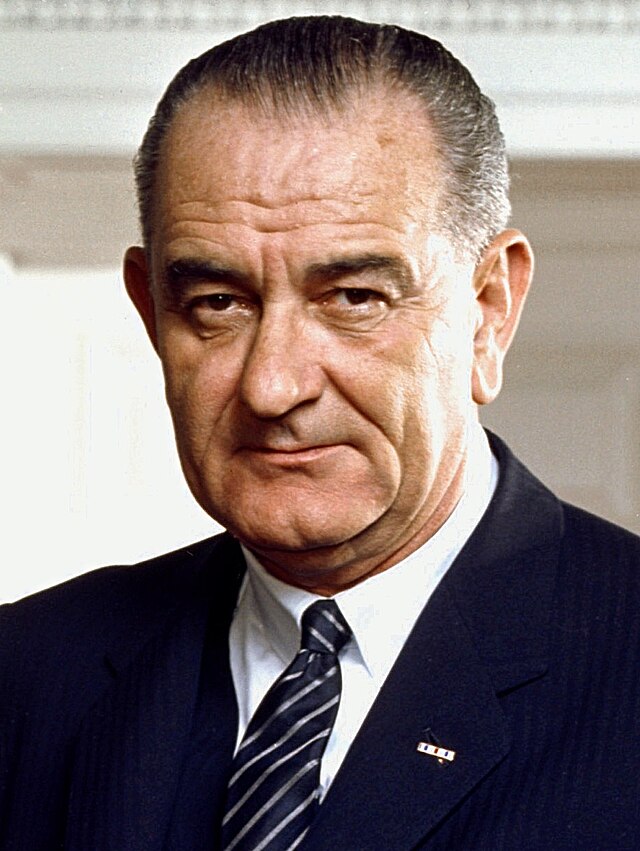
Lyndon B. Johnson

Lyndon B. Johnson

1965–1969 (2nd term)

Lyndon B. Johnson

Lyndon B. Johnson

1963–1965 (1st term)

👤

John F. Kennedy

1961–1963

👤

Dwight Eisenhower

1957–1961 (2nd term)

👤

Dwight Eisenhower

1953–1957 (1st term)

👤

Harry S. Truman

1945–1953

👤

Franklin D. Roosevelt

1945–1945 (4th term)

👤

Franklin D. Roosevelt

1941–1945 (3rd term)

👤

Franklin D. Roosevelt

1937–1941 (2nd term)

👤

Franklin D. Roosevelt

1933–1937 (1st term)

👤

Herbert Hoover

1929–1933

👤

Calvin Coolidge

1923–1929

👤

Warren G. Harding

1921–1923

👤

Woodrow Wilson

1917–1921 (2nd term)

👤

Woodrow Wilson

1913–1917 (1st term)

👤

William Howard Taft

1909–1913

👤

Theodore Roosevelt

1905–1909 (2nd term)

👤

Theodore Roosevelt

1901–1905 (1st term)

👤

William McKinley

1901–1901 (2nd term)

👤

William McKinley

1897–1901 (1st term)

👤

Grover Cleveland

1893–1897 (2nd term)

👤

Benjamin Harrison

1889–1893

👤

Grover Cleveland

1885–1889 (1st term)

👤

Chester A. Arthur

1881–1885

👤

James A. Garfield

1881–1881

👤

Rutherford B. Hayes

1877–1881

👤

Ulysses S. Grant

1873–1877 (2nd term)

👤

Ulysses S. Grant

1869–1873 (1st term)

👤

Andrew Johnson

1865–1869

👤

Abraham Lincoln

1865–1865 (2nd term)

👤

Abraham Lincoln

1861–1865 (1st term)

👤

James Buchanan

1857–1861

👤

Franklin Pierce

1853–1857

👤

Millard Fillmore

1850–1853

👤

Zachary Taylor

1849–1850

👤

James K. Polk

1845–1849

👤

John Tyler

1841–1845

👤

William Henry Harrison

1841–1841

👤

Martin Van Buren

1837–1841

👤

Andrew Jackson

1833–1837 (2nd term)

👤

Andrew Jackson

1829–1833 (1st term)

👤

John Quincy Adams

1825–1829

👤

James Monroe

1821–1825 (2nd term)

👤

James Monroe

1817–1821 (1st term)

👤

James Madison

1813–1817 (2nd term)

👤

James Madison

1809–1813 (1st term)

👤

Thomas Jefferson

1805–1809 (2nd term)

👤

Thomas Jefferson

1801–1805 (1st term)

👤

John Adams

1797–1801

👤

George Washington

1793–1797 (2nd term)

👤

George Washington

1789–1793 (1st term)

554 U.S. 570 (2008)5-4majority

District of Columbia v. Heller

Heller held that the Second Amendment protects an individual right to keep a firearm for lawful self-defense in the home. The Court struck down D.C.'s handgun ban and functional-storage rule, but it also said the right is not unlimited and did not question several longstanding categories of firearms regulation.

Jun 26, 2008
Antonin ScaliaSupreme CourtOyezJustia
second-amendmentgun-rightsself-defensehandgun-ban+6 more
553 U.S. 723 (2008)5-4majority

Boumediene v. Bush

The Court ruled that Guantanamo detainees have the constitutional right to seek habeas corpus review in federal court. Congress could not replace habeas with a limited review process that did not let detainees meaningfully challenge the basis for their detention.

Jun 12, 2008
Anthony M. KennedySupreme CourtOyezJustia
habeas corpusGuantanamo BaySuspension ClauseMilitary Commissions Act+6 more
551 U.S. 701 (2007)5-4plurality

Parents Involved in Community Schools v. Seattle School District No. 1

Parents Involved struck down Seattle and Jefferson County student-assignment plans that used individual racial classifications. The controlling result barred these specific plans but left room for narrower race-conscious efforts to reduce racial isolation and promote diversity.

Jun 28, 2007
John RobertsSupreme CourtOyezJustia
school integrationracial classificationstrict scrutinySeattle schools+2 more
550 U.S. 618 (2007)5-4majority

Ledbetter v. Goodyear Tire & Rubber Co.

Ledbetter v. Goodyear held that Lilly Ledbetter’s Title VII pay-discrimination claim was untimely because she did not file within the charging period after the pay-setting decisions. Congress later changed the rule through the Lilly Ledbetter Fair Pay Act of 2009.

May 29, 2007
Samuel AlitoSupreme CourtOyezJustia
pay discriminationTitle VIILilly Ledbetterfiling deadline+2 more
550 U.S. 544 (2007)7-2majority

Bell Atlantic Corp. v. Twombly

Bell Atlantic v. Twombly held that a federal complaint must contain enough factual matter to make the claim plausible. In the antitrust case before the Court, allegations of parallel conduct were not enough without facts suggesting an agreement.

May 21, 2007
David SouterSupreme CourtOyezJustia
plausibility pleadingTwomblyRule 8antitrust conspiracy+2 more
550 U.S. 124 (2007)5-4majority

Gonzales v. Carhart

Gonzales v. Carhart upheld the federal Partial-Birth Abortion Ban Act against a facial constitutional challenge. The Court found the law was not vague and did not impose an undue burden on its face, while leaving as-applied challenges possible. Dobbs later overruled the Roe/Casey framework that shaped the case.

Apr 18, 2007
Anthony KennedySupreme CourtOyezJustia
Partial-Birth Abortion Ban Actabortion procedure banhealth exceptionStenberg+2 more
549 U.S. 497 (2007)5-4majority

Massachusetts v. Environmental Protection Agency

Massachusetts v. EPA held that greenhouse gases are air pollutants under the Clean Air Act and that EPA could not refuse to regulate them for reasons outside the statute. The Court also held that Massachusetts had standing to sue over EPA’s refusal to regulate vehicle greenhouse-gas emissions.

Apr 2, 2007
John Paul StevensSupreme CourtOyezJustia
greenhouse gasesair pollutantEPA authorityendangerment finding+2 more
548 U.S. 557 (2006)5-3majority

Hamdan v. Rumsfeld

Hamdan v. Rumsfeld held that the military commission set up to try Salim Hamdan was unlawful because it violated the UCMJ and Common Article 3 of the Geneva Conventions. The decision limited unilateral executive power over military trials at Guantánamo.

Jun 29, 2006
John Paul StevensSupreme CourtOyezJustia
military commissionsGuantánamoGeneva ConventionsUCMJ+2 more
547 U.S. 715 (2006)7-4plurality

Rapanos v. United States

Rapanos v. United States was a fractured Clean Water Act wetlands case. The Court vacated and remanded, producing competing tests for when wetlands count as waters of the United States. Justice Kennedy’s significant-nexus test became especially important until later cases, including Sackett, narrowed the doctrine.

Jun 19, 2006
Antonin Scalia plurality; Anthony Kennedy concurrence controlling in many lower courts before SackettSupreme CourtOyezJustia
WOTUSwetlandssignificant nexusClean Water Act+2 more
545 U.S. 913 (2005)9-0majority

MGM Studios Inc. v. Grokster, Ltd.

MGM v. Grokster held that technology distributors can be liable for copyright infringement when they intentionally induce users to infringe. The Court preserved Sony’s protection for technologies with lawful uses but created a path for liability based on promotion of infringement.

Jun 27, 2005
David SouterSupreme CourtOyezJustia
Groksterfile sharingcopyright infringementinducement liability+2 more
545 U.S. 469 (2005)5-4majority

Kelo v. City of New London

Kelo v. City of New London held that economic development can count as public use under the Fifth Amendment when part of a comprehensive redevelopment plan. The decision allowed the city’s takings, but it produced major backlash and state-level reforms limiting eminent domain.

Jun 23, 2005
John Paul StevensSupreme CourtOyezJustia
public useeminent domainNew Londonredevelopment+2 more
545 U.S. 1 (2005)7-3majority

Gonzales v. Raich

Gonzales v. Raich held that Congress may apply the federal Controlled Substances Act to locally grown medical marijuana allowed under state law. The Court reasoned that Congress could regulate local cultivation as part of a comprehensive scheme governing the national marijuana market.

Controlled Substances Actmedical marijuanaCommerce ClauseCalifornia+2 more
543 U.S. 551 (2005)7-4majority

Roper v. Simmons

Roper v. Simmons held that the Constitution bars the death penalty for crimes committed by people under 18. The Court relied on the Eighth Amendment, youth-development differences, and national consensus against juvenile execution.

Mar 1, 2005
Anthony KennedySupreme CourtOyezJustia
juvenile death penaltyEighth Amendmentdeath penaltyyouth sentencing+2 more